Parliament’s Monsoon Session witnessed high political drama on Tuesday as the Lok Sabha began discussions on the Public Examinations (Prevention of Unfair Means) Amendment Bill amid continuing outrage over the NEET paper leak controversy.
Minister of State Jitendra Singh announced in the House that the Centre will establish fast-track courts to ensure speedy trials in examination paper leak cases. He further stated that the government will set up a dedicated task force to recommend comprehensive reforms in the country’s examination system, aimed at restoring public confidence and preventing future irregularities.
Govt Announces Fast-Track Courts, Exam Reform Task Force Amid NEET Leak Row
The debate on the proposed legislation commenced after Lok Sabha proceedings, which had earlier been adjourned until 2 PM due to Opposition protests over the alleged use of pellet guns against NEET paper leak protesters on July 20. Opposition parties continued to target the government, accusing it of failing to protect students and mishandling the protests.
The amendment bill seeks to significantly strengthen existing laws by increasing fines and prison terms for individuals found guilty of leaking examination papers or engaging in unfair practices. The government has maintained that stricter penalties are necessary to deter organized exam-related crimes and safeguard the integrity of public examinations.
The political temperature remained high as Prime Minister Narendra Modi attended the NDA Parliamentary Party’s “Mangal Milan” meeting alongside Union Home Minister Amit Shah and Defence Minister Rajnath Singh earlier in the day.
Lok Sabha Debates Exam Leak Bill as Centre Announces Fast-Track Courts
The BJP-led government continues to face mounting criticism over the NEET leak issue, which has triggered nationwide protests and intensified demands for accountability. The controversy also led to the resignation of former Education Minister Dharmendra Pradhan, a development that has become a major talking point during the ongoing Parliament session.
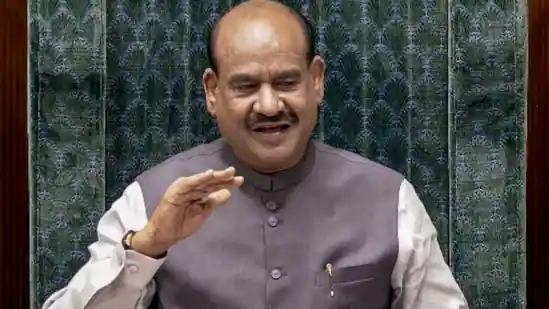
Lok Sabha Speaker Om Birla held discussions with floor leaders from various political parties to ensure a detailed debate on the bill. Following the consultations, six hours were allotted for deliberations, with Opposition parties submitting as many as 93 amendments to the proposed legislation.
As Parliament debates tougher measures against examination fraud, all eyes remain on whether the government and Opposition can find common ground on reforms that address students’ concerns while ensuring stricter action against those responsible for paper leaks.