The global luxury fashion industry is facing growing pressure as younger consumers cut back on premium spending amid rising living costs and changing shopping habits.
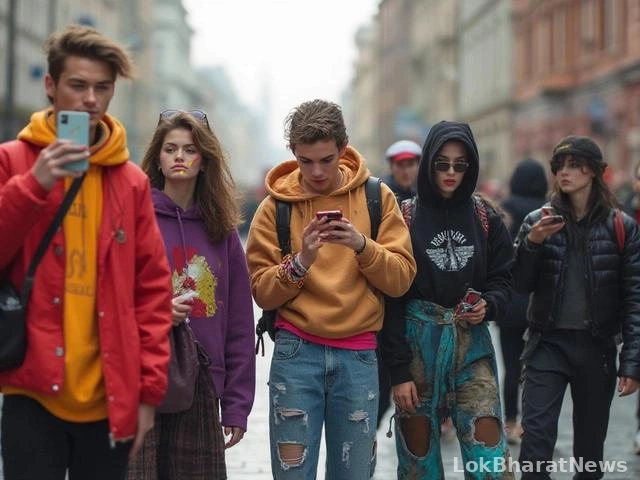
Several major fashion brands have reported weaker sales growth during recent quarters. Analysts say Gen Z consumers are increasingly prioritising affordability, resale fashion and sustainable shopping over expensive luxury purchases.
Luxury groups including LVMH, Kering and Burberry have all warned about softer demand in key global markets. Slower spending in China, Europe and the United States has also affected the industry’s recovery after the post-pandemic boom.
Fashion experts say younger buyers now focus more on value, individuality and sustainability instead of traditional luxury branding alone.
Luxury fashion slowdown worries major brands
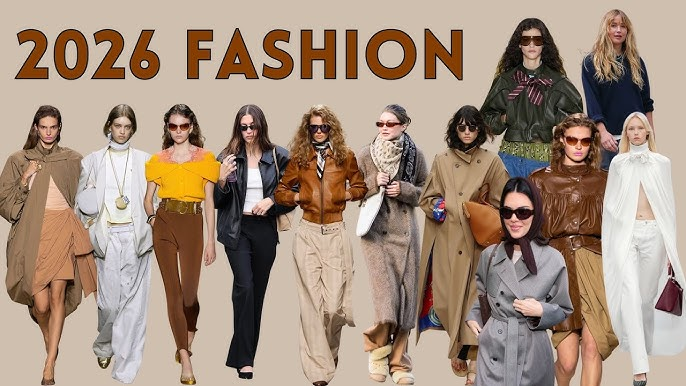
The luxury fashion slowdown has become one of the biggest concerns for global fashion houses in 2026.
Analysts say inflation and economic uncertainty have reduced discretionary spending among younger consumers. Many Gen Z shoppers now prefer second-hand platforms, rental fashion and independent streetwear labels over premium designer collections.
Luxury resale platforms have also witnessed strong growth during the past year. Industry reports suggest many young shoppers view resale fashion as more affordable and environmentally responsible.
Fashion brands are now adjusting their strategies to attract younger audiences. Several companies have increased focus on limited-edition collections, digital campaigns and collaborations with influencers and celebrities.
Some luxury labels are also expanding into beauty, accessories and lifestyle products to maintain revenue growth during weaker apparel sales.
Also Read: Screen Time And Eye Damage Among Young Adults Rising
Social media trends reshaping fashion habits
Fashion analysts say social media platforms are changing how young consumers interact with luxury brands.
Short-term fashion trends now spread rapidly through Instagram, TikTok and celebrity culture. Experts believe this shift has reduced long-term brand loyalty among younger shoppers.
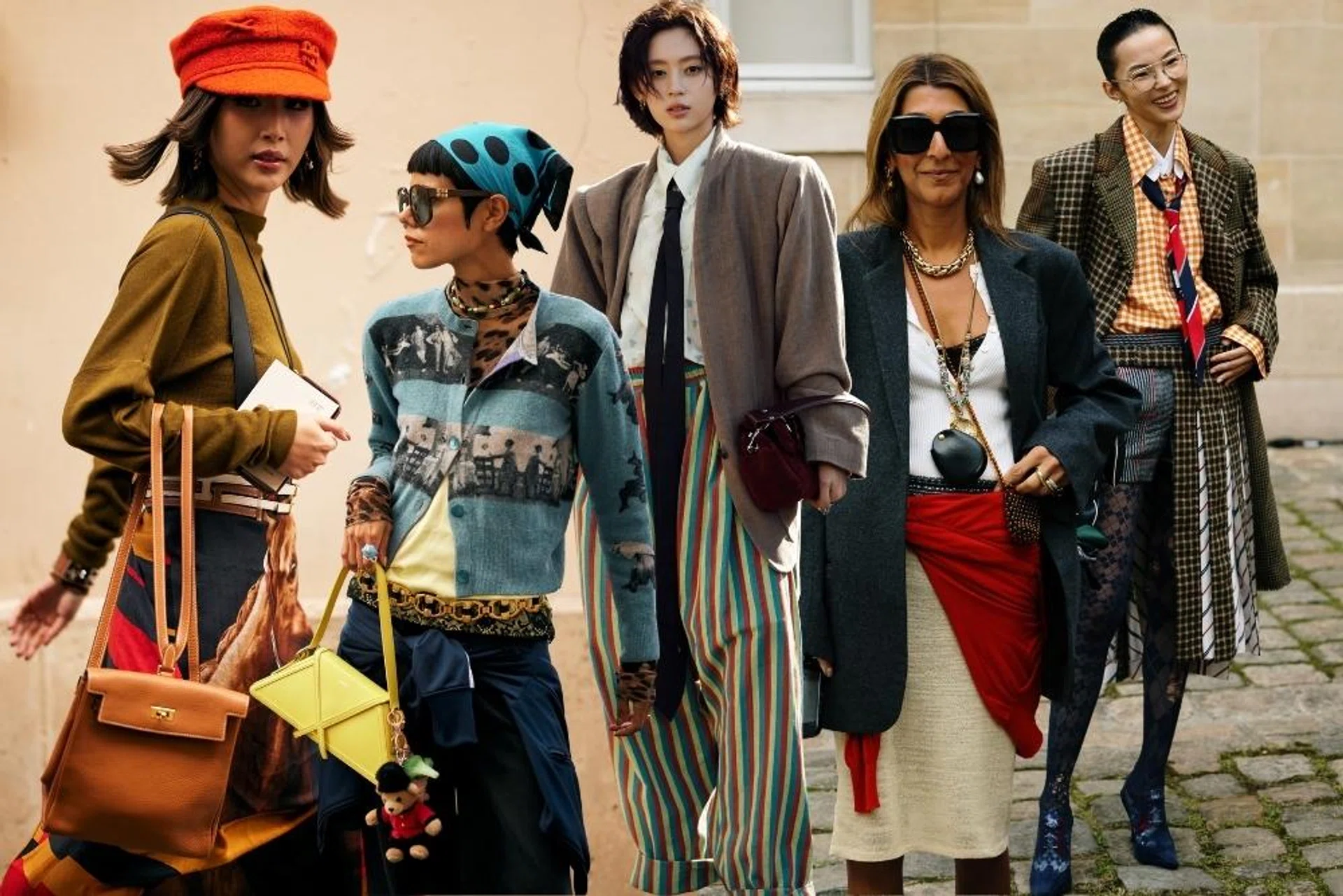
Consumers increasingly mix luxury products with affordable fashion instead of building entire wardrobes around premium brands. This trend has forced luxury companies to rethink pricing and marketing strategies.
Some fashion experts also believe younger consumers are becoming more cautious about displaying wealth online during uncertain economic conditions.
Meanwhile, sustainability continues influencing buying decisions. Reports show many young consumers now research environmental practices before purchasing fashion products. Brands facing criticism over waste or labour practices risk losing younger audiences quickly.
Industry still expects long-term growth
Despite current challenges, analysts believe the luxury fashion market will continue growing over the long term.
Experts say demand for premium fashion remains strong among wealthy consumers in the Middle East, India and parts of Southeast Asia. Several luxury companies are also expanding retail operations across emerging markets.
Fashion executives expect innovation, sustainability and digital engagement to play a bigger role in future growth strategies.
The luxury fashion slowdown may continue affecting short-term profits, but industry leaders believe brands that adapt quickly to changing consumer behaviour could recover strongly in coming years.