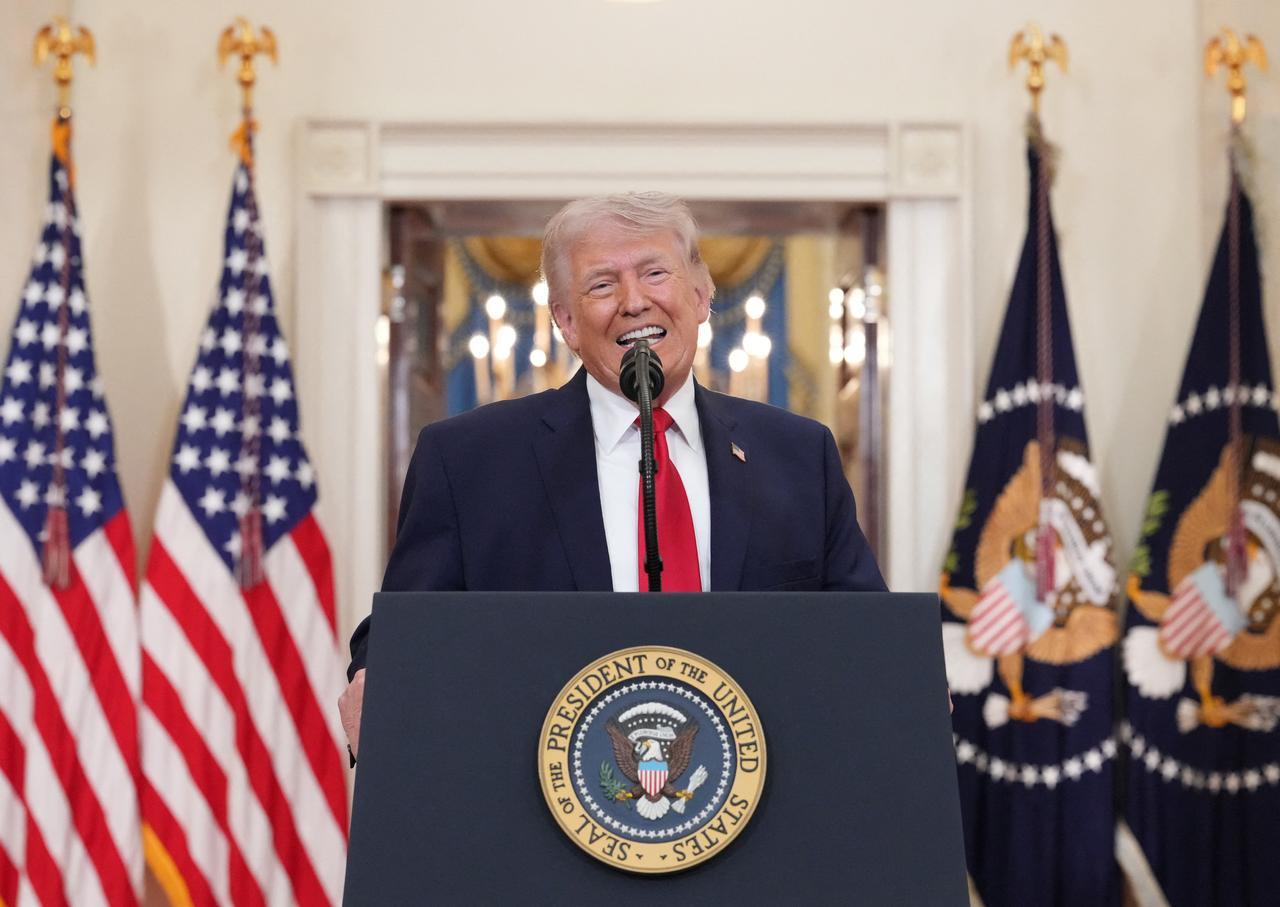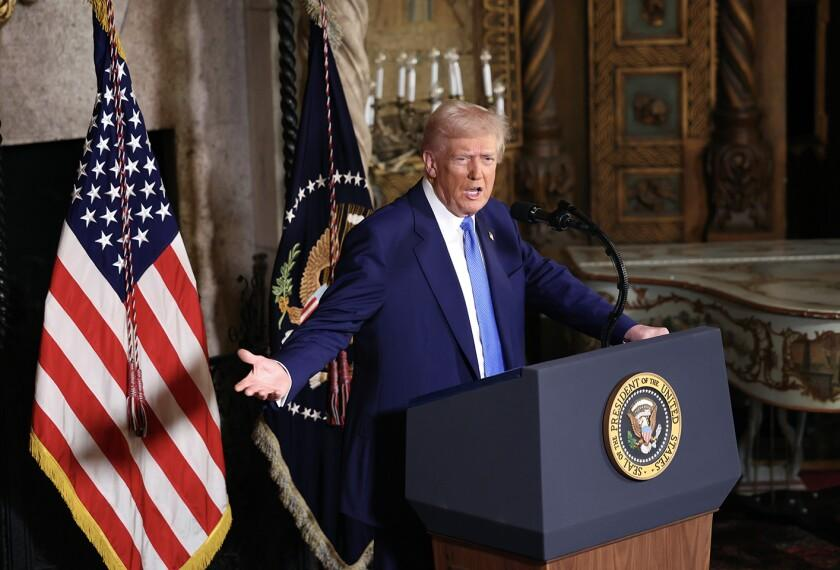
Former US President Donald Trump has renewed his campaign to end birthright citizenship after the US Supreme Court issued a key ruling on his executive order. While the court did not decide whether the order is constitutional, Trump said Congress should now pass a law to abolish the policy.
The Supreme Court ruled that lower courts should not automatically block federal policies across the entire country through nationwide injunctions. The decision leaves Trump’s executive order tied up in ongoing legal challenges.
Trump Calls on Congress
Soon after the ruling, Trump urged lawmakers to act. He said ending birthright citizenship would help strengthen US immigration laws and reduce illegal immigration.
Birthright citizenship is protected by the 14th Amendment of the US Constitution. It grants citizenship to nearly everyone born on American soil, regardless of their parents’ immigration status.
Also read : Ram Mandir Donation Theft Accused Says He Hid Cash in Washrooms
Legal Battle Continues
Legal experts say the Supreme Court’s ruling does not settle the constitutional question. Instead, it focuses on how lower courts can issue injunctions against federal policies.
Several lawsuits challenging Trump’s executive order are still pending. The issue is expected to return to federal courts before any final decision is made.
Political Debate Grows
Trump’s latest remarks have reignited debate over immigration in the United States. Supporters argue the policy encourages illegal immigration, while critics say changing it would violate the Constitution and long-standing legal precedent.
Any proposal to end birthright citizenship through Congress is expected to face strong political opposition and significant legal hurdles.
The issue is likely to remain a major topic in US politics as lawmakers and courts continue to debate the future of the policy.