


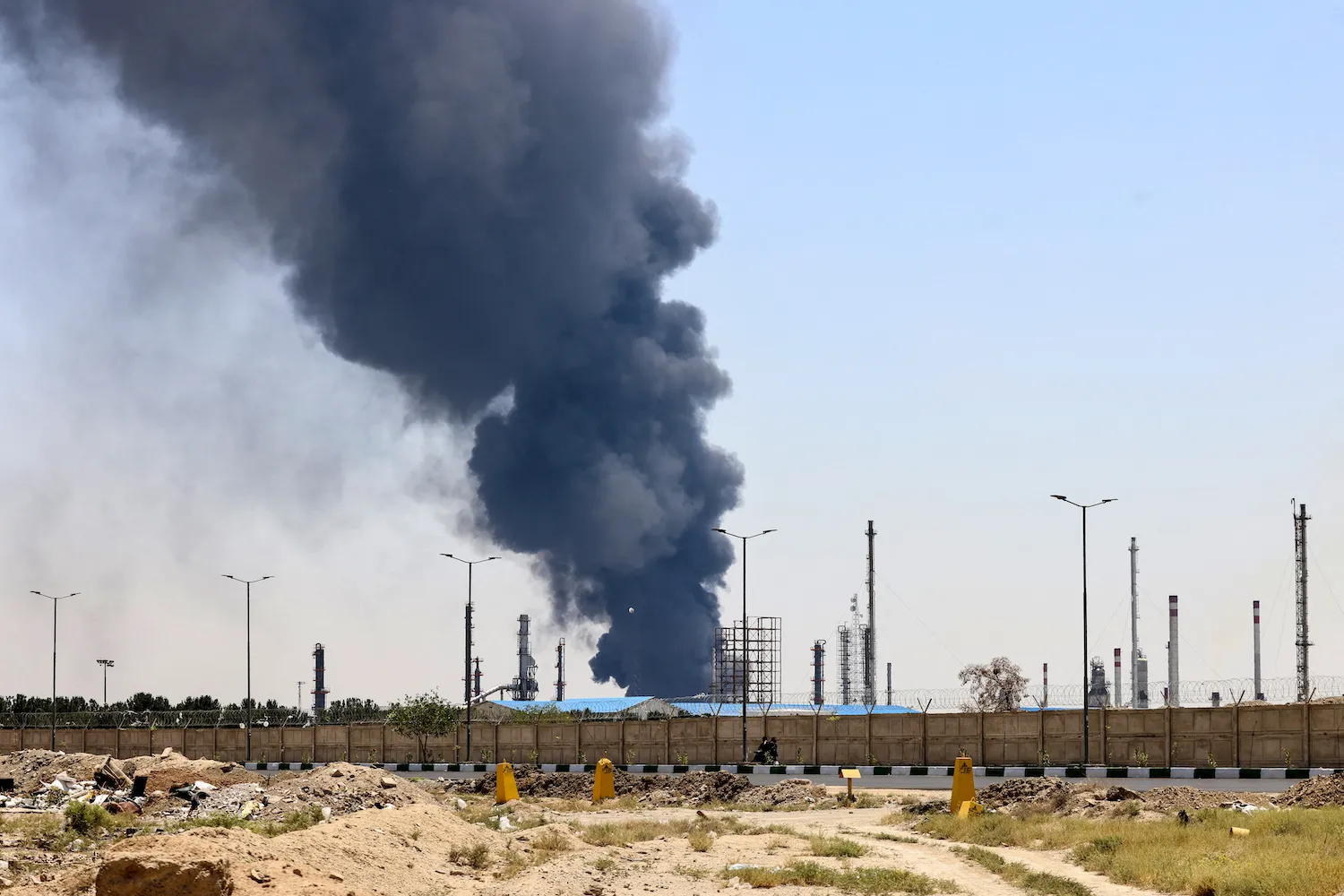
Global financial markets have shown unexpected stability even as tensions around Iran continue to rise. Traditionally, such geopolitical conflicts trigger sharp declines in stock markets, but this time investors appear more composed. Major indices are holding steady, reflecting a shift in how markets respond to global uncertainty.
Investors Focus on Long-Term Growth Over Short-Term Fear
Market participants are increasingly focusing on long-term economic fundamentals rather than reacting to immediate geopolitical shocks. Strong corporate earnings, steady global growth, and innovation-driven sectors like technology are keeping investor confidence intact. This approach helps explain why markets are not reacting sharply to ongoing conflict.
The Rise of a “Permanent Crisis” Environment
Experts describe the current global situation as a “permacrisis,” where multiple challenges—such as wars, inflation, and political instability—exist simultaneously. Instead of treating each event as a separate shock, investors have adapted to this continuous uncertainty. As a result, markets are becoming more resilient to negative news.
Oil Prices and Inflation Remain Key Concerns
One of the biggest impacts of the Iran conflict is on oil prices. Rising crude oil costs can lead to higher inflation worldwide, increasing pressure on economies. While markets are stable for now, sustained increases in energy prices could affect consumer spending and business growth.
Strong Sectors Driving Market Stability
Certain sectors are playing a major role in supporting global markets. Technology, energy, and defense industries continue to attract strong investment due to their long-term importance. Governments and investors both see these sectors as essential for future growth and security.
Hidden Risks Beneath Market Stability
Although markets appear calm, risks still exist beneath the surface. High global debt levels, inflation pressures, and ongoing geopolitical tensions could create instability in the future. Experts warn that ignoring these risks completely could lead to sudden market corrections.
Low Volatility Raises Concerns of Overconfidence
Another surprising trend is the low level of market volatility. While stability is generally positive, it may also signal overconfidence among investors. When markets remain calm for too long, it can increase the chances of asset bubbles forming over time.
Conclusion
The current global market behavior reflects a major shift in investor mindset. Instead of reacting with panic, markets are adapting to a world filled with continuous uncertainty. While this resilience is a positive sign, it is important to remain cautious, as hidden risks could still impact the global economy in the future.


https://shorturl.fm/fntL7