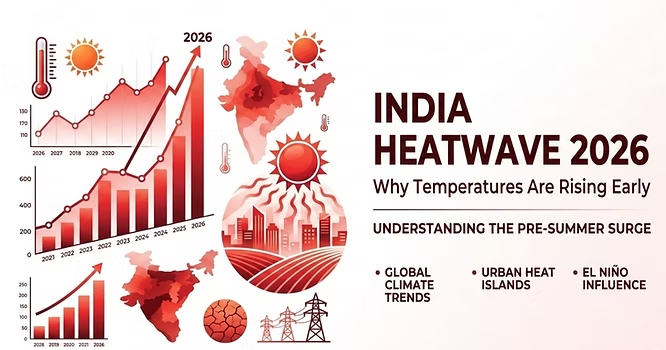
India is currently facing a strong and widespread heatwave affecting many states. Temperatures are rising far above normal levels, creating difficult conditions for daily life. The intense heat is being felt strongly in both cities and rural areas.
People are experiencing long hours of hot and dry weather, especially during the daytime. The situation has become more challenging in regions where cooling winds or rainfall are absent.
Rising Temperatures
Across several states, daytime temperatures are consistently reaching 42°C to 44°C, and in some places even higher. The heat feels more intense due to dry winds and increasing humidity in certain regions.
States like Rajasthan, Uttar Pradesh, Haryana, Madhya Pradesh, and Delhi-NCR are among the worst affected. In these areas, stepping outside during the afternoon has become extremely uncomfortable and exhausting.
Even nights are not providing full relief, as temperatures remain relatively warm.
Health Concerns
The ongoing heatwave is having a direct impact on public health. Hospitals and clinics are reporting a rise in heat-related cases across multiple regions.
Common problems include dehydration, heat exhaustion, dizziness, fatigue, and in severe cases, heatstroke. People who work outdoors, such as laborers and delivery workers, are facing the highest risk.
Children and elderly individuals are also more vulnerable, and health experts are advising extra care for these groups.
Increase in Electricity Usage
Due to rising temperatures, electricity demand has increased significantly across the country. Households are running fans, coolers, and air conditioners for longer hours to manage the heat.
This sudden spike in power usage is putting pressure on electricity supply systems in several states. In some areas, authorities are closely monitoring demand to avoid power cuts during peak hours.
Expected Relief
Weather forecasts indicate that some parts of India may receive light rainfall and thunderstorms in the coming days. This could provide short-term relief from the ongoing heatwave conditions.
However, meteorologists also suggest that high temperatures may continue until stronger pre-monsoon activity develops across the country.
Safety Guidelines
Authorities and the India Meteorological Department (IMD) have issued important safety guidelines for the public. People are being advised to take precautions during extreme heat conditions.
It is recommended to drink plenty of water, avoid direct sunlight between 11 AM and 4 PM, wear light cotton clothing, and stay in cool or shaded places whenever possible.
The current heatwave situation in India highlights the increasing impact of extreme weather conditions. While some relief may arrive through rainfall in certain regions, the overall heat trend is expected to continue for some time.
People are strongly advised to remain cautious and follow safety guidelines to protect themselves from heat-related health risks.