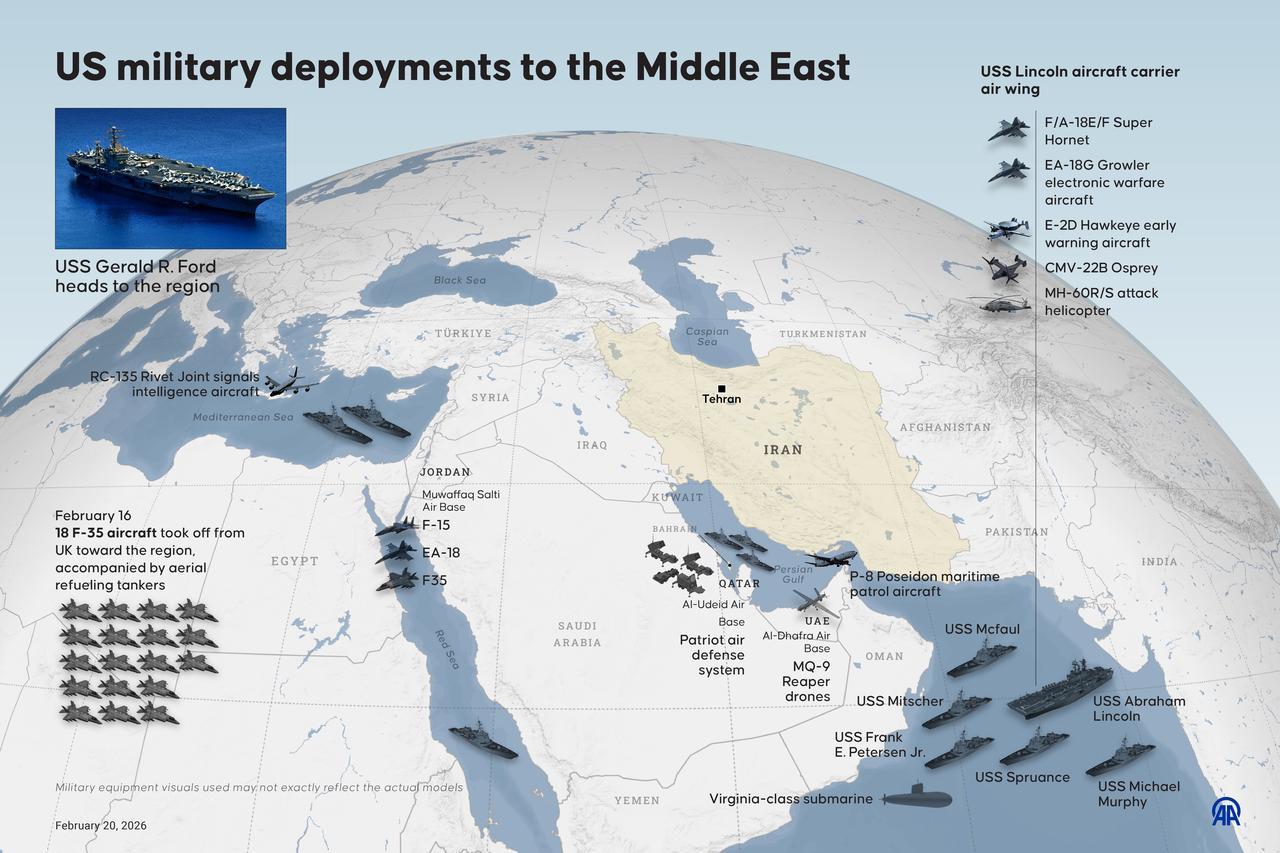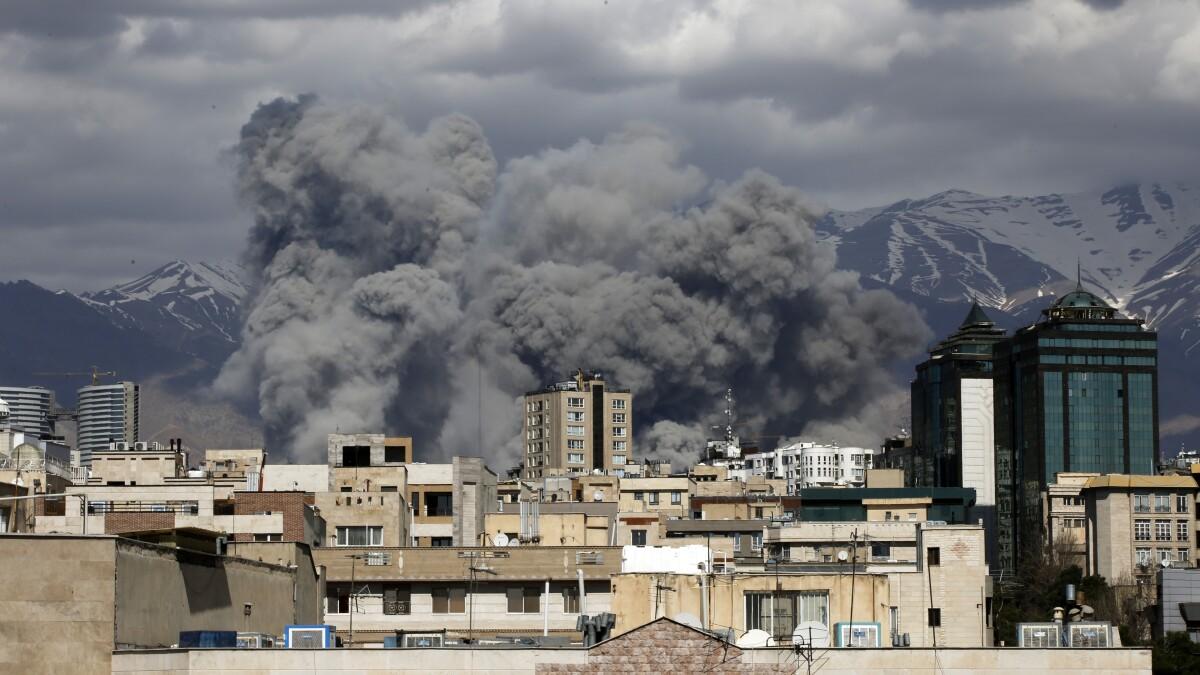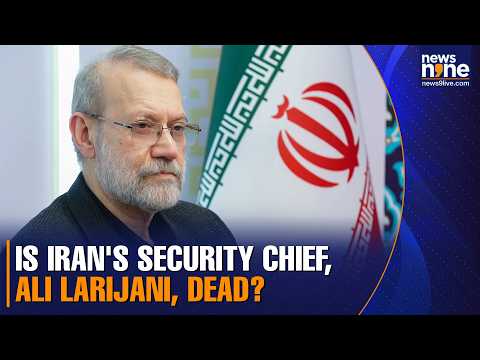
Iran has officially announced the death of Ali Larijani, a senior political and security leader, following a targeted airstrike in Tehran. This incident has intensified tensions between Iran and Israel, raising global concerns about further escalation in the Middle East.
Detailed Overview
The strike that killed Ali Larijani is being seen as one of the most significant developments in the ongoing regional conflict. Known for his deep influence in Iran’s political and defense system, Larijani played a vital role in shaping national strategy. His death comes at a time when geopolitical tensions are already at a critical level.
Reports indicate that the attack was highly precise, targeting a specific location in Tehran. Along with Larijani, several members of his inner circle and security staff were also killed. This has created a major gap in Iran’s leadership, especially in areas related to national security and policy coordination.
Despite the shock, officials in Iran have stated that the country’s administrative and defense systems remain operational. However, analysts believe that the loss of such a key figure could influence future military strategies and diplomatic decisions.
Key Points
-
Ali Larijani was killed in a targeted airstrike in Tehran.
-
He was a senior leader responsible for national security and strategic planning.
-
The incident has increased tensions between Iran and Israel.
-
Multiple aides and security personnel were also reported dead.
-
The strike is part of a broader pattern of high-level targeting in the region.
-
Iran has indicated that a response may follow.
-
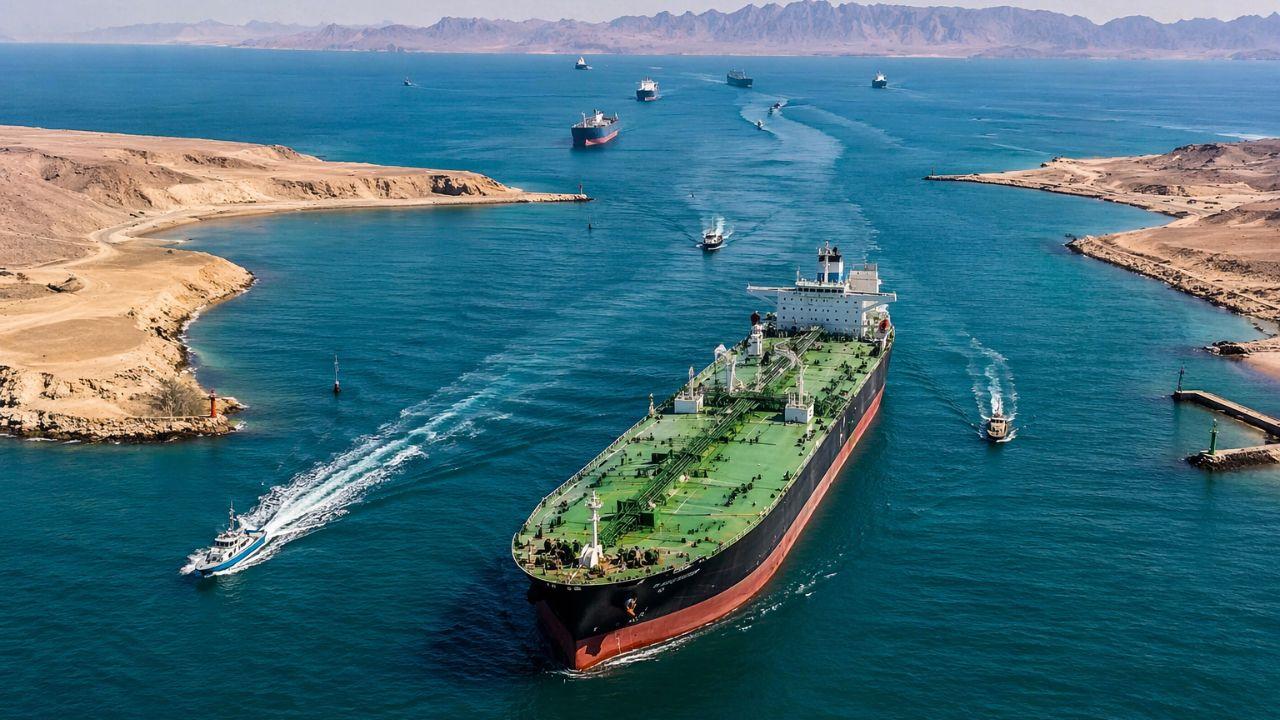
Global markets and oil supply routes could be affected by rising instability.
Possible Impact on the Future
The death of Ali Larijani may lead to a shift in leadership dynamics within Iran. New decision-makers could adopt different strategies, potentially changing the course of the ongoing conflict. The situation also raises concerns about a wider regional war, as continued retaliation could draw in other countries.
From an economic perspective, increased tension in the Middle East often leads to volatility in oil prices and financial markets. Countries dependent on energy imports, including India, may feel the indirect effects if the situation escalates further.
The loss of Ali Larijani marks a turning point in the current geopolitical landscape. As Iran and Israel remain in a tense standoff, the coming days will be crucial in shaping the future of the region. Governments and global institutions are closely monitoring developments, hoping to prevent a broader conflict.