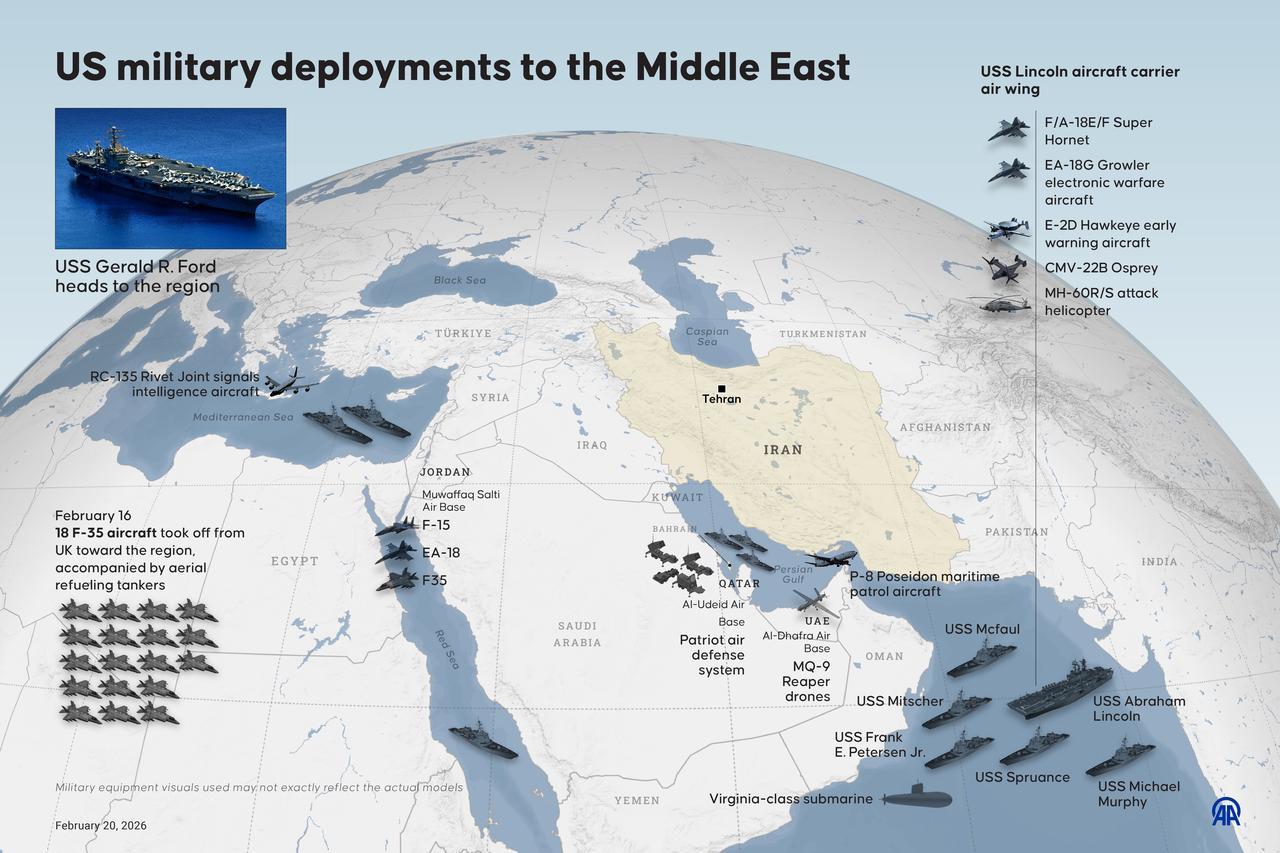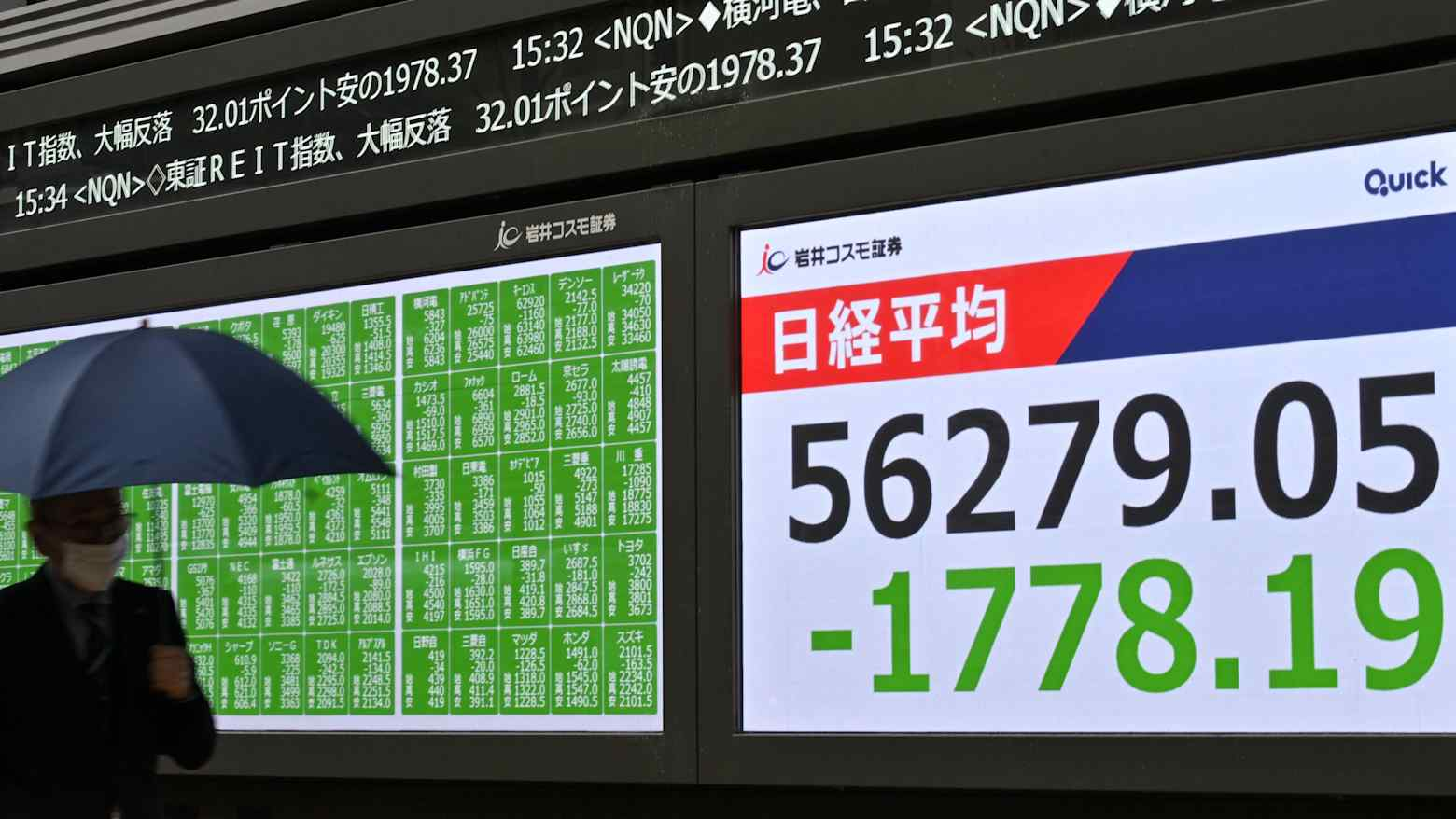
Asian stock markets opened on a positive note today, showing resilience despite rising geopolitical tensions in the Middle East. Investors across the region remained cautiously optimistic as they balanced strong economic indicators with growing global uncertainty.
Most major indices traded in green during early sessions, although market sentiment remained mixed because of concerns linked to oil prices and international trade disruptions.
Asian Markets Open Higher
Several Asian markets recorded gains after positive global cues supported investor confidence.
Nikkei 225 surged more than 3%, leading the regional rally. Meanwhile, South Korea’s Kospi index also posted steady gains, while China’s Shanghai Composite moved moderately higher.
Analysts said investors continued taking positions despite geopolitical risks because regional economic indicators remained relatively stable.
Nikkei 225 Emerges as Top Performer
Japan’s Nikkei 225 became the strongest performer among major Asian indices.
A weaker yen helped export-focused companies, while technology and manufacturing stocks recorded strong buying activity. Positive signals from global markets also supported the sharp rise in Japanese equities.
The rally reflected growing investor confidence in Japan’s economic outlook despite international uncertainty.
Hang Seng Index Trades Cautiously
Unlike other regional markets, Hang Seng Index traded within a narrow range.
Market experts said investors remained cautious because of global tensions and mixed performance in Chinese technology stocks. Concerns about China’s economic recovery also limited stronger gains in Hong Kong markets.
As a result, traders largely adopted a wait-and-watch approach.
Middle East Tensions Continue Affecting Markets
The ongoing conflict involving Iran and Israel continues influencing global financial sentiment.
Investors remain concerned about rising crude oil prices, possible supply chain disruptions, and increased volatility across international markets. However, Asian markets have so far shown relative stability despite the uncertainty.
Analysts believe strong regional fundamentals and steady domestic demand have helped support investor confidence.
Oil Prices Remain a Key Concern
Oil prices have continued moving higher because of fears surrounding disruptions near the Strait of Hormuz.
Higher energy prices could increase inflation pressure, especially for countries heavily dependent on imports. At the same time, energy-related stocks may benefit from rising crude prices in the short term.
Global investors are closely monitoring developments because further escalation could significantly affect international trade and economic growth.
Investors Remain Optimistic but Careful
Today’s trading session reflected a balance between optimism and caution.
Strong corporate earnings, stable economic indicators, and support from global markets encouraged buying activity. However, geopolitical tensions and oil market volatility continued limiting aggressive risk-taking.
Looking ahead, analysts expect market direction to depend largely on developments in the Middle East, movement in crude oil prices, global economic data, and central bank decisions.
For now, Asian markets continue showing resilience even as global uncertainty remains high.