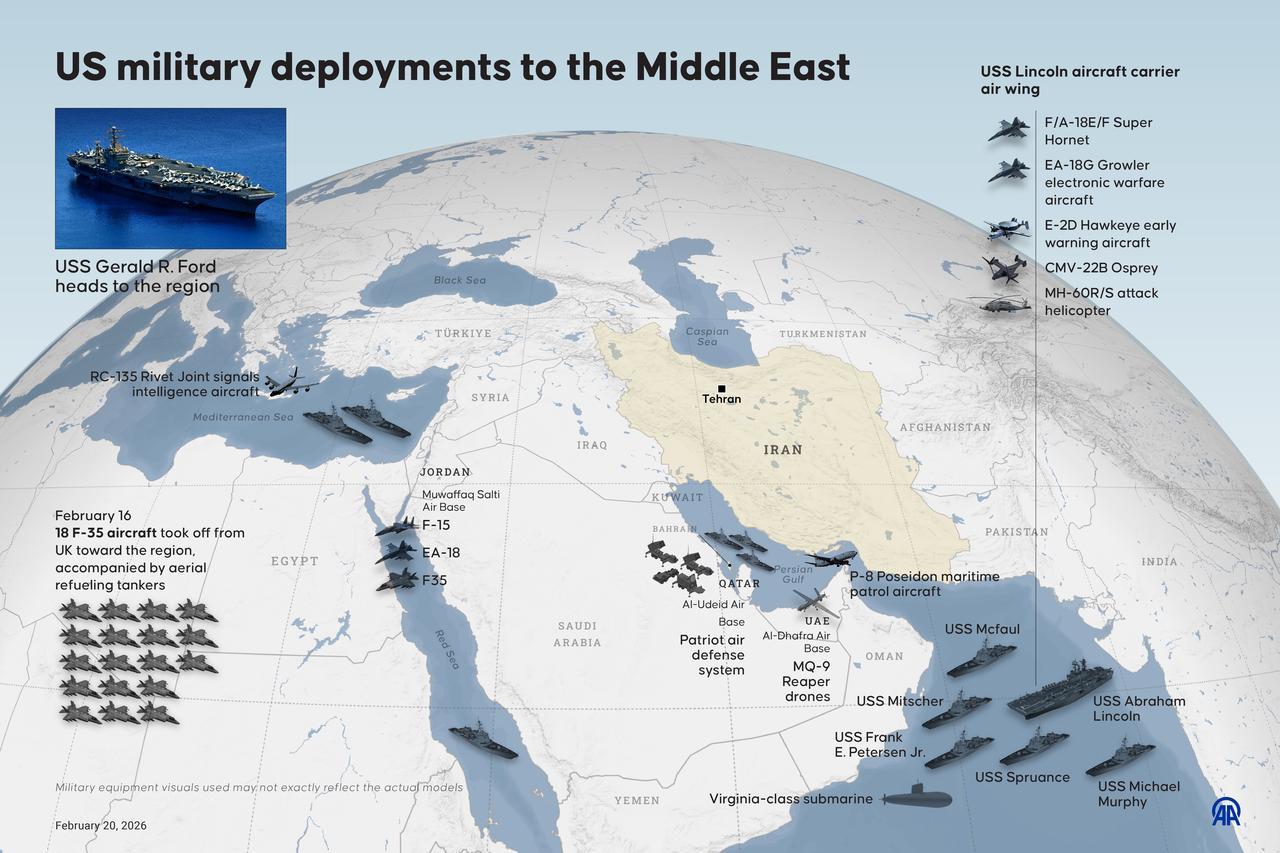
U.S. military forces have destroyed 16 Iranian mine-laying vessels near the Strait of Hormuz, further increasing tensions between the United States and Iran. According to U.S. Central Command, the vessels were suspected of deploying naval mines in the strategic waterway that connects the Persian Gulf to major international shipping routes.
The operation reportedly took place after intelligence agencies warned that Iran was attempting to disrupt maritime traffic in the region. As a result, the United States launched a military strike to prevent possible threats to commercial oil tankers and international shipping lanes.
Why the Strait of Hormuz Matters
The Strait of Hormuz is considered one of the world’s most important maritime routes. Nearly 20% of global oil shipments pass through this narrow passage every day, making it extremely important for global energy supplies and international trade.
Because of its strategic location, even a small disruption in the strait can impact global markets. Experts say that if naval mines are placed in the area, commercial tanker traffic could slow down or stop completely. Moreover, clearing naval mines is a difficult and time-consuming military operation.
Therefore, any military activity near the Strait of Hormuz immediately raises concerns among governments, oil companies, and global markets.
U.S. Issues Strong Warning to Iran
Following the strike, U.S. officials warned Iran against any attempt to block or threaten shipping routes in the Gulf region.
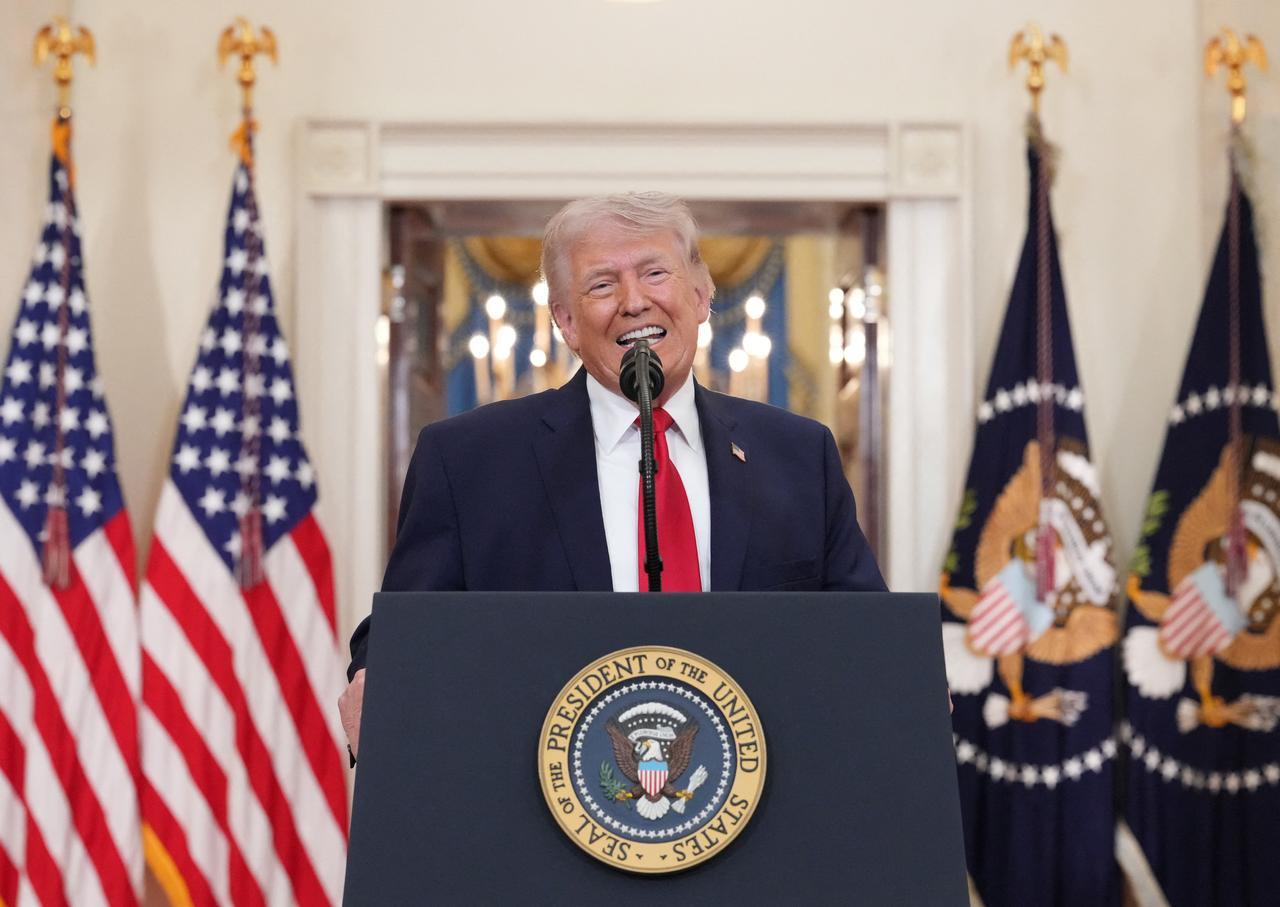
President Donald Trump previously stated that interference with global oil routes would lead to severe consequences. Meanwhile, Pentagon officials said the recent operation aimed to protect international shipping and prevent instability in the region.
In addition, American defense authorities claimed that the destruction of the vessels was a preventive action designed to avoid a larger naval crisis.
Naval Tensions Continue to Rise
The latest incident marks one of the most serious naval confrontations in the ongoing U.S.-Iran conflict. Iran has repeatedly warned that it could close the Strait of Hormuz if military pressure from the United States and Israel continues to increase.
At the same time, several Gulf nations have strengthened naval patrols and upgraded air defense systems to secure oil infrastructure and commercial shipping routes.
Military analysts believe the region could witness more confrontations if tensions continue to rise in the coming days.
Global Markets React
Energy markets reacted quickly to reports of the military strike. Oil prices showed volatility as investors feared possible disruptions to tanker traffic through the Strait of Hormuz.
If the waterway becomes unsafe or temporarily closes, global trade and energy supplies could face serious disruptions. Consequently, international naval forces are closely monitoring the situation while diplomatic and military tensions remain high.