The ongoing conflict involving Iran, Israel, and the United States has entered a dangerous phase. As a result, fears of a wider regional war in the Middle East are growing rapidly. Military strikes, missile launches, and diplomatic pressure are now dominating global headlines.
What began as targeted military operations has turned into a multi-front conflict. The situation now involves proxy groups, regional powers, and international diplomatic efforts. Moreover, analysts warn that continued escalation could affect global trade, oil prices, and political stability worldwide.
Rising Military Actions Across the Region
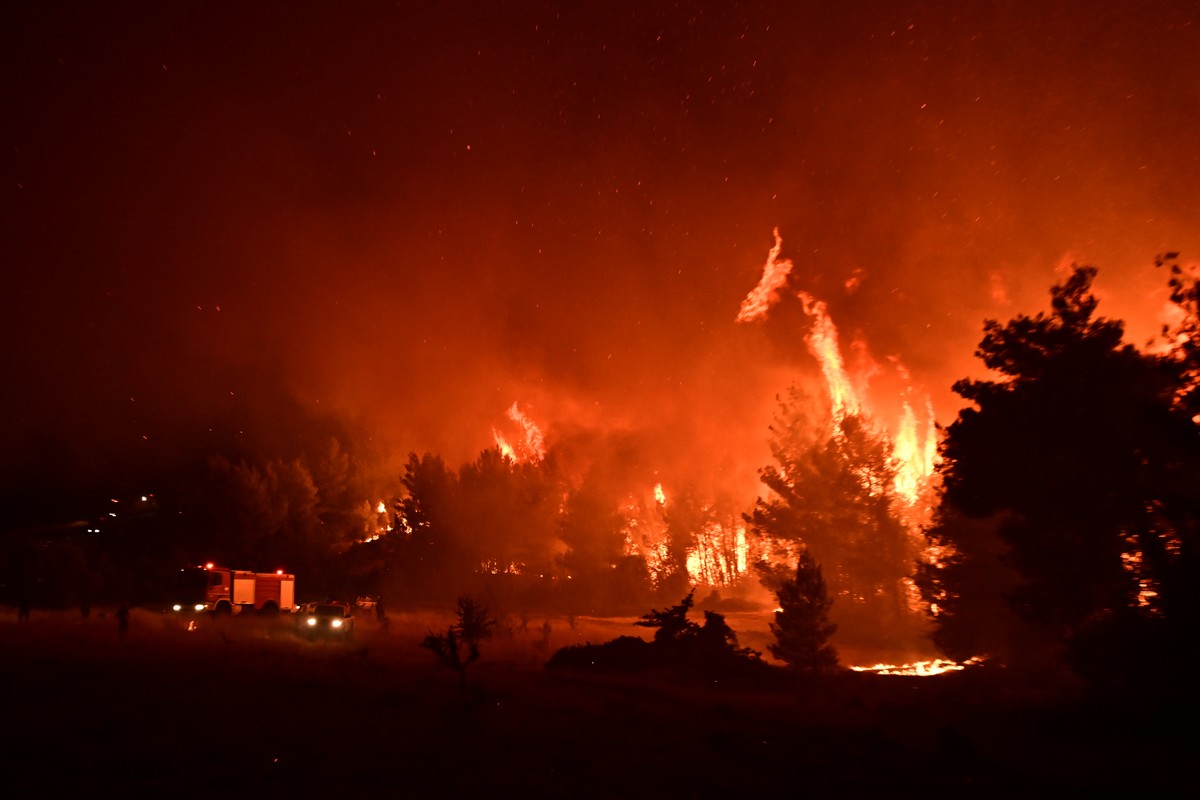
The conflict intensified after Israeli and U.S. forces launched coordinated airstrikes on suspected Iranian military facilities. According to reports, the strikes targeted missile infrastructure and other strategic locations inside Iran.
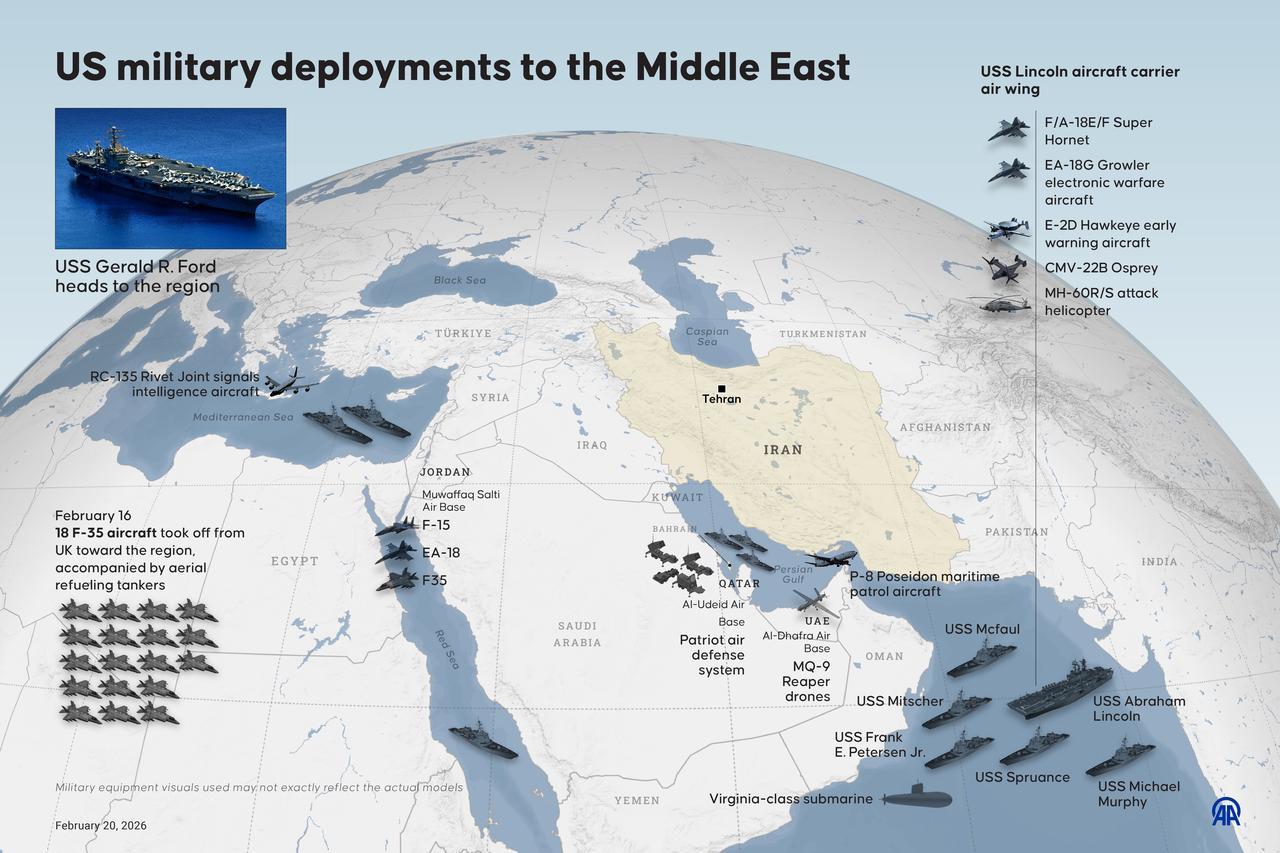
In response, Iran launched several drone and missile attacks on Israeli installations and allied military bases. Consequently, defense systems were activated across multiple countries to intercept incoming threats.
Meanwhile, Iran-backed armed groups have also increased their activities. Fighters from Hezbollah reportedly fired rockets into northern Israel. Israeli forces later carried out counter-strikes in response. As a result, the conflict has effectively opened a second front in the region.
Civilian Impact and Humanitarian Concerns
Civilians across the Middle East are facing serious consequences as the conflict continues. Several cities in Israel and parts of Iran have witnessed air raid sirens, tighter security measures, and temporary shutdowns of public services.
In addition, thousands of residents have moved to safer locations due to security fears. International flight operations across parts of the region have also faced disruptions.
Humanitarian organizations have warned that a prolonged conflict could create shortages of food, fuel, and medical supplies in affected areas. Therefore, concerns over civilian safety continue to increase.
Economic Impact on Oil and Trade
One of the biggest concerns is the possible disruption of oil supply routes through the Strait of Hormuz. This route is one of the world’s most important maritime corridors for oil transportation.
Even the possibility of instability in the region has caused fluctuations in global energy markets. Furthermore, economists warn that extended disruptions could increase fuel prices and worsen inflation worldwide.
Countries that depend heavily on imported energy are monitoring the situation closely. At the same time, businesses are worried about possible supply chain disruptions and trade delays.
Diplomatic Efforts Continue
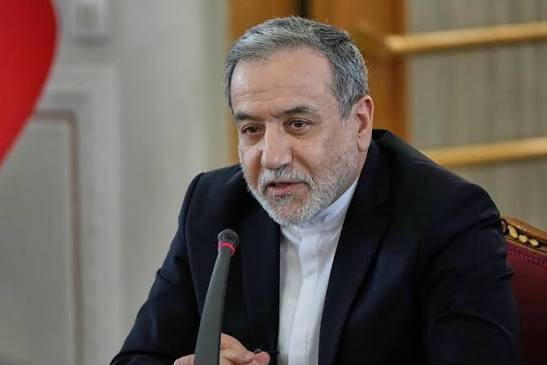
Several global powers have started diplomatic efforts to prevent the conflict from expanding further. Countries across Europe and Asia are urging restraint and calling for peaceful dialogue.
Meanwhile, India is also monitoring the situation closely. Indian officials remain in contact with multiple countries to ensure regional stability and protect citizens living abroad.
Political experts believe international mediation could help prevent a larger military confrontation. However, tensions in the region remain extremely high.
Global Security Concerns Grow
Security experts believe the conflict could reshape geopolitical alliances in the Middle East. Therefore, several countries have already increased military readiness levels.
If more regional powers become directly involved, the crisis could become one of the biggest geopolitical conflicts of the decade.
For now, the world continues to watch the situation closely as military operations and diplomatic talks move forward at the same time.