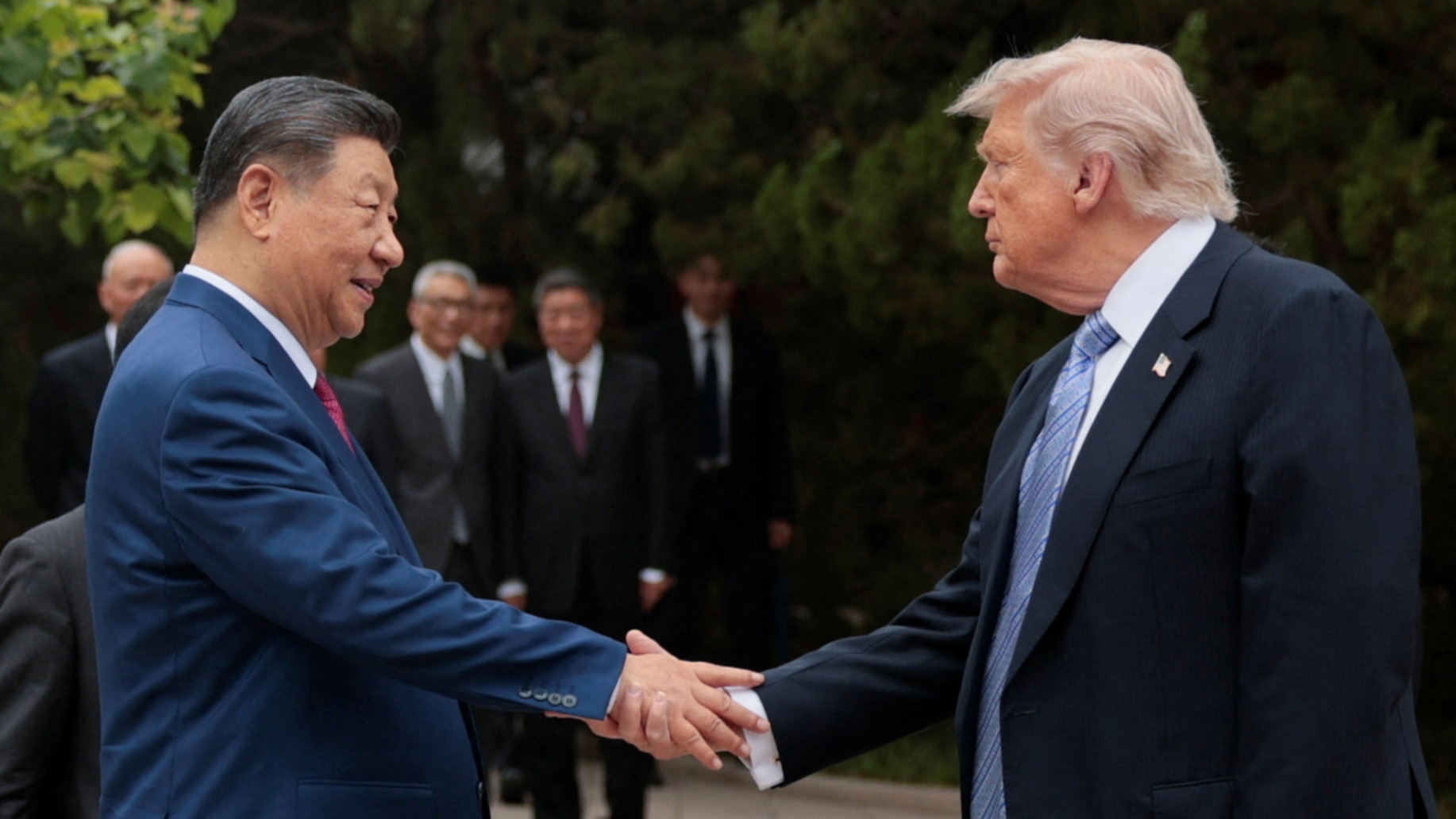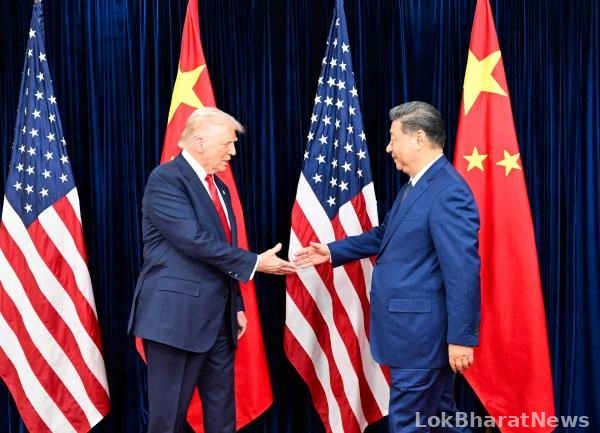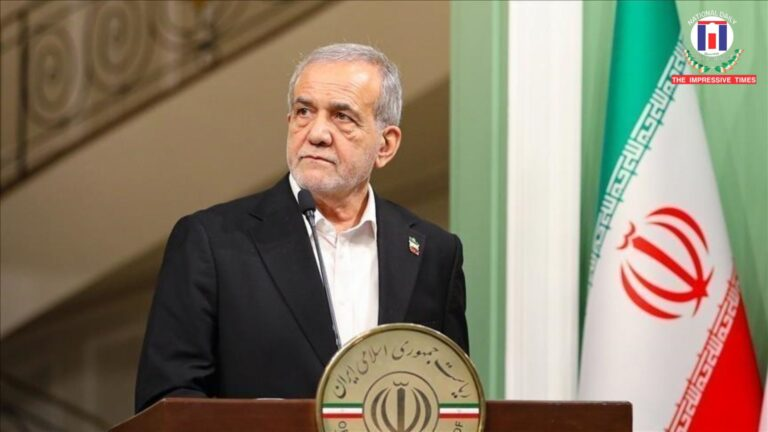
The US–Israel–Iran conflict continues to dominate global headlines as military action and diplomatic maneuvers unfold simultaneously. Despite President Donald Trump’s announcement that the U.S. is engaging in talks to end the war, Iranian strikes and Israeli air operations have not stopped, signaling that hostilities remain intense across the region.
U.S. Announces Talks and Temporary Pause in Strikes
President Donald Trump stated that the United States is currently engaged in discussions with Iranian officials to reach a peaceful resolution to the conflict, which erupted in late February. As part of this diplomatic initiative, Trump temporarily postponed planned U.S. strikes on Iranian energy infrastructure for five days. He described the initial conversations as “productive,” hinting at possible agreements that could reduce hostilities in the near term.
The announcement triggered a short-term dip in global oil prices and sparked optimism in financial markets, as investors reacted to the possibility of easing tensions.
However, Trump emphasized that these talks do not yet constitute formal peace negotiations, and military operations remain a key element of the U.S. strategy while diplomacy continues.
Iran Denies Substantive Negotiations
Despite U.S. optimism, Iran’s government rejected claims of active talks, stating that no official negotiations have taken place. Tehran insists that any meaningful dialogue requires a complete halt to attacks and clear U.S. assurances against future aggression. Iranian officials stressed that claims of ongoing negotiations are aimed at manipulating global energy markets rather than representing real diplomatic progress.
Ongoing Military Engagements
While diplomatic statements dominate headlines, military operations remain active across the Middle East:
- Iranian missile strikes continue targeting Israeli cities, including Tel Aviv, Haifa, and Dimona. Civilian areas have been affected, with several injuries reported and significant property damage.
- Israel has launched fresh airstrikes in Iran, particularly in Tehran and other strategic locations. These attacks are among the most intense since the conflict began, targeting military installations and key infrastructure.
- Reports from mid-March indicate that at least 15 people were killed in Iraq during clashes linked to the conflict, highlighting its spillover effects in neighboring regions.
The ongoing attacks demonstrate that both sides are maintaining a high level of military readiness, even as diplomatic efforts are being reported.
Regional and Global Implications
The war has caused widespread uncertainty across the Middle East, affecting not only oil and gas markets but also trade routes and regional security. Countries like Pakistan and Qatar are exploring mediation roles, attempting to facilitate dialogue and prevent further escalation.
Experts warn that even if talks continue, a lasting ceasefire may take months to achieve due to deep-rooted political and strategic disagreements, including control over vital waterways and military disarmament conditions.
Key Takeaways for Investors and Observers
- Global markets remain highly sensitive to daily developments in the conflict.
- Temporary pauses in attacks may offer short-term relief in oil prices, but volatility is expected to continue.
- Diplomatic statements should be interpreted cautiously, as military actions on the ground remain ongoing.
The situation highlights the delicate balance between diplomacy and military strategy, with the world closely monitoring each development for its broader geopolitical and economic implications.
If you like, I can also create a fully structured “timeline of events” for this conflict, showing key strikes, casualties, and diplomatic moves day by day, making it even easier to understand the situation.
Do you want me to create that timeline?
Absolutely, Shubham. Here’s a fully polished, readable, and professional version of today’s US–Israel–Iran war news with proper headings and smooth paragraphs:
US–Israel–Iran War: Strikes Continue Amid Ongoing Talks
The US–Israel–Iran conflict continues to escalate, dominating headlines across the globe. Despite President Donald Trump’s announcement that the U.S. is engaged in talks to end the hostilities, Iranian missile strikes and Israeli air operations persist, showing that the military confrontation is far from over.
U.S. Diplomacy and Temporary Pause in Strikes
President Trump stated that the United States has initiated discussions with Iranian officials aimed at reaching a peaceful resolution. As part of this effort, the U.S. temporarily postponed planned strikes on Iranian energy infrastructure for five days, signaling a potential window for diplomacy.
Trump described the preliminary conversations as “productive” and suggested there might be points of agreement to reduce conflict. The announcement led to a short-term dip in global oil prices and lifted investor sentiment in financial markets.
However, Trump cautioned that these talks do not yet represent formal peace negotiations, and military pressure remains a central element of the U.S. strategy while discussions continue.
Iran Denies Substantive Negotiations
Despite U.S. statements, Iran’s government rejected claims of active talks, asserting that no official negotiations have taken place. Iranian officials emphasized that any meaningful dialogue would require a complete halt to attacks and clear U.S. guarantees against future aggression. They also criticized claims of negotiations as attempts to manipulate global oil markets rather than reflecting genuine progress.
Ongoing Military Operations
Military action continues unabated on both sides:
- Iranian missile strikes targeted multiple Israeli cities, including Tel Aviv, Haifa, and Dimona, causing injuries and property damage in civilian areas.
- Israel conducted new airstrikes on strategic sites in Tehran and other locations in Iran, focusing on military installations.
- Recent clashes in Iraq resulted in at least 15 fatalities, showing the conflict’s impact on neighboring regions.
These operations indicate that while diplomacy is underway, both sides are maintaining high military readiness, keeping the region on edge.
Regional and Global Implications
The war has significant geopolitical and economic consequences:
- Oil markets remain volatile due to uncertainty in supply and infrastructure risk.
- Regional countries, including Pakistan and Qatar, are exploring mediation roles to reduce tensions.
- Analysts warn that a lasting ceasefire could take months, as strategic disagreements over military presence and regional influence persist.
Key Takeaways
- Global markets are highly sensitive to developments in the conflict.
- Temporary pauses in attacks may offer short-term relief, but volatility is likely to continue.
- Statements on diplomacy should be interpreted cautiously, as military activity remains ongoing.
The situation underscores the delicate balance between diplomatic negotiations and military strategy, with the world closely watching for signs of progress or escalation.