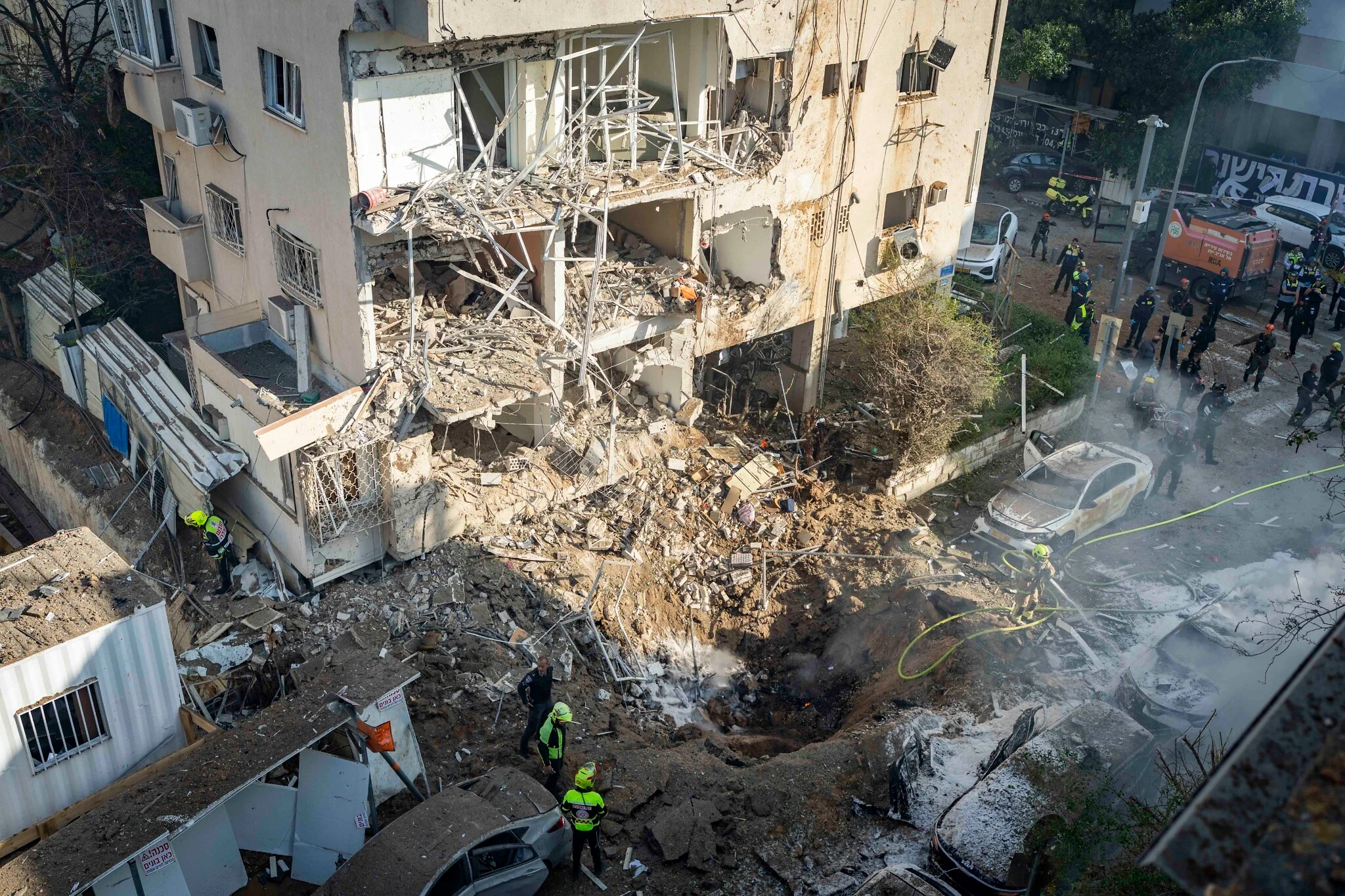
Iran has launched multiple waves of missiles toward Israel, triggering air raid sirens across major cities including Tel Aviv.
Explosions were reported in residential areas, with emergency services responding to damaged buildings and searching for civilians trapped under debris.
The latest attacks mark a continued escalation in the ongoing war, with both sides intensifying military operations.
Iran Mocks Trump’s Strait of Hormuz Proposal
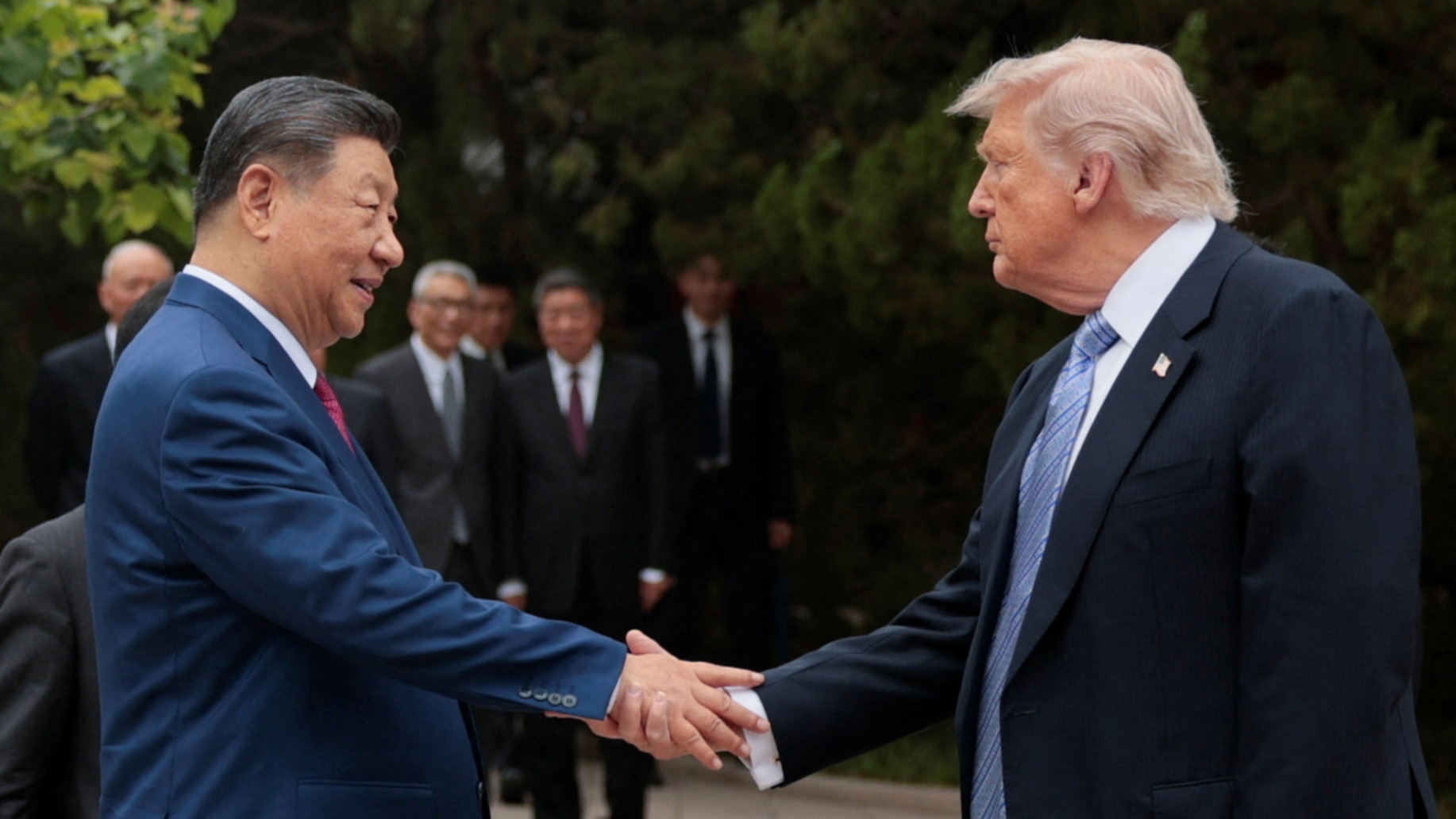
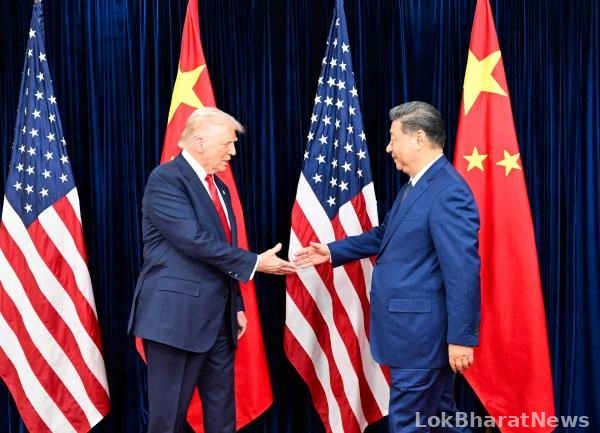
Alongside the military escalation, Iran has also mocked U.S. President Donald Trump’s suggestion of potential joint control over the Strait of Hormuz.
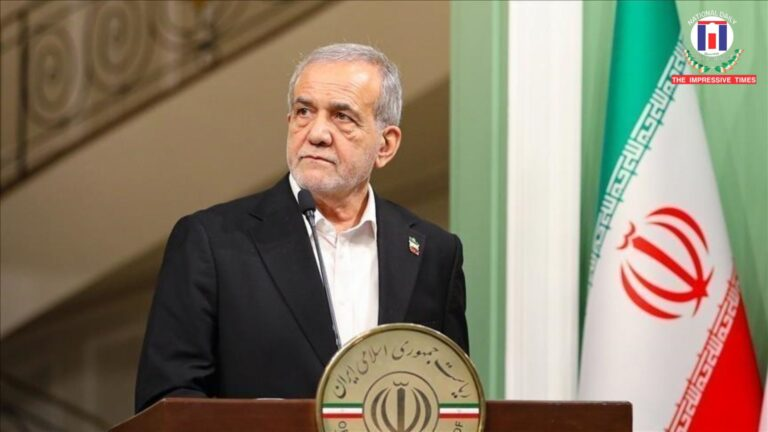
Iranian officials dismissed the idea and denied any ongoing negotiations with the United States, calling such claims misleading and politically motivated.
The response highlights the widening gap between U.S. statements and Iran’s official position.
Why the Strait of Hormuz Is Critical
The Strait of Hormuz remains at the center of the conflict.
- Around 20% of global oil and gas shipments pass through it
- It connects the Persian Gulf to international markets
- It is crucial for energy supply to Asia and Europe
Any disruption or control dispute over the strait can significantly impact global energy prices and trade flows.
Conflict Continues to Escalate
Despite talk of possible negotiations, fighting on the ground continues:
- Iran continues missile strikes on Israeli cities
- Israel has responded with airstrikes on Iranian targets
- The U.S. has increased military presence in the region
Analysts warn that the situation is moving toward a prolonged regional conflict, with risks of further escalation involving multiple countries.
Global Impact and Market Reactions
The renewed missile attacks and geopolitical tensions have already affected global markets.
Oil prices, which briefly stabilized on hopes of diplomacy, have shown renewed volatility as fighting intensifies again.
Investors remain cautious as uncertainty grows over both military developments and diplomatic outcomes.
What Happens Next?
With Iran continuing its attacks and rejecting diplomatic claims, the conflict remains highly unpredictable.
The situation now depends on whether:
- diplomatic efforts gain traction
- or military escalation continues across the region
For now, both sides appear locked in a cycle of attack and retaliation, with no clear resolution in sight.