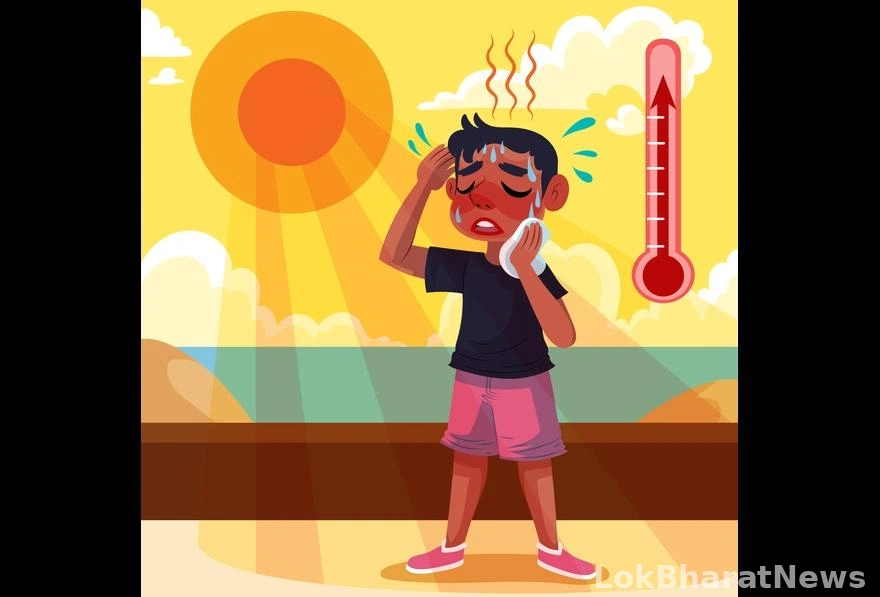
Extreme heatwaves are no longer affecting only physical health. Doctors and researchers are increasingly warning that rising temperatures are also damaging mental health and disrupting sleep patterns across the world.
Health experts say prolonged heat exposure can increase stress, irritability, anxiety and exhaustion, especially when temperatures remain high during the night. Poor sleep caused by heat can further worsen emotional stability and mental well-being.
The World Health Organization has also warned that heatwaves are becoming more frequent and intense because of climate change. Officials say hot nights are particularly dangerous because the body fails to recover properly from daytime heat exposure.
Heatwaves and sleep patterns becoming a major concern
The heatwaves and sleep patterns connection is now drawing growing scientific attention as researchers study how rising temperatures affect human behaviour and emotional health.
Studies have shown that high nighttime temperatures reduce both sleep quality and sleep duration. Researchers found that disturbed sleep during heatwaves is closely linked to depression, anxiety and mental fatigue.
Experts say the body naturally cools itself before sleep. During heatwaves, especially humid nights, this cooling process becomes difficult. As a result, people experience restless sleep, repeated awakenings and daytime exhaustion.
Mental health specialists also reported rising levels of irritability and emotional stress during extreme heat conditions. Some studies even linked prolonged heat exposure with increased aggression, hospital admissions and worsening psychiatric symptoms.
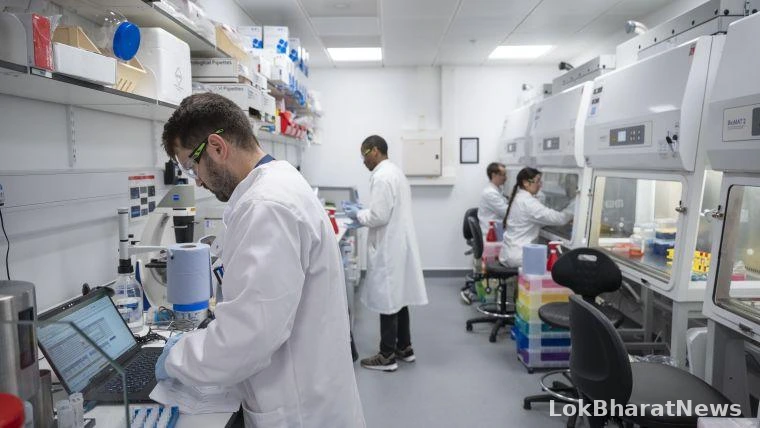
Researchers from Oxford University recently warned that extreme heat can trigger anxiety, frustration and emotional instability even among people without diagnosed mental health conditions.
Also Read: Summer Health Tips: Simple Ways To Stay Safe In Extreme Heat
Vulnerable groups face greater risk
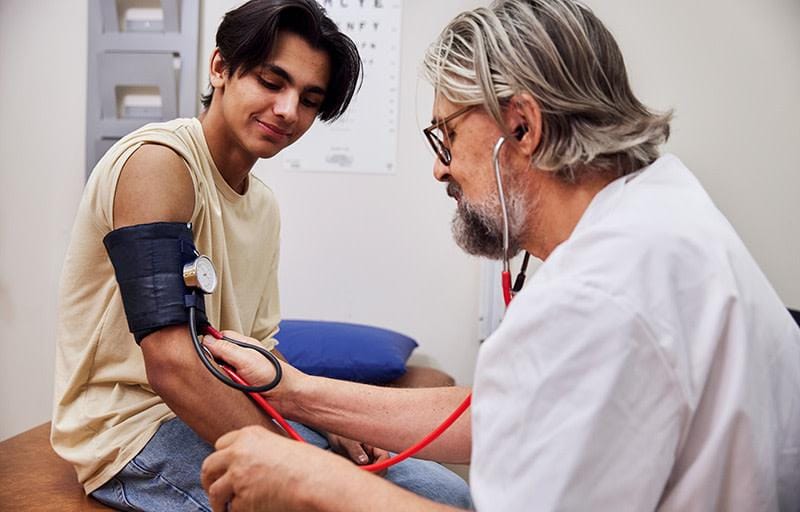
Health experts say elderly people, children, outdoor workers and individuals with existing mental health conditions face the highest risk during severe heatwaves.
Doctors also warned that some antidepressants and psychiatric medications can affect the body’s temperature regulation system, making patients more vulnerable during extreme heat.
Low-income families often face additional risks because of poor ventilation, overcrowded housing and limited access to cooling systems. Researchers say climate-related mental health stress is increasingly becoming a public health challenge in developing countries.
Scientists also found that nighttime heatwaves may have stronger links to depressive symptoms than daytime heat exposure. Urban areas appear especially vulnerable because concrete structures trap heat for longer periods after sunset.
Experts suggest ways to improve sleep during heatwaves
Doctors recommend staying hydrated, reducing indoor heat and maintaining proper sleep routines during periods of extreme temperature.
Experts advise using breathable bedding, limiting heavy meals before sleep and keeping bedrooms dark during the daytime to reduce heat buildup. Lukewarm showers and improved ventilation may also help improve sleep quality during hot nights.
Mental health specialists also encourage people to monitor emotional changes during heatwaves and seek support if symptoms worsen. Simple activities such as meditation, social interaction and limiting stress exposure may help reduce anxiety during prolonged heat conditions.
The heatwaves and sleep patterns issue is expected to become even more important in coming years as climate scientists predict longer and more intense periods of extreme heat worldwide.