Global average temperatures are likely to stay near record highs during the next five years, according to a new report from the World Meteorological Organization and the UK Met Office.
Scientists warned that greenhouse gas emissions continue pushing global temperatures upward. Experts also said a possible return of El Niño conditions may increase heat levels further before 2030.
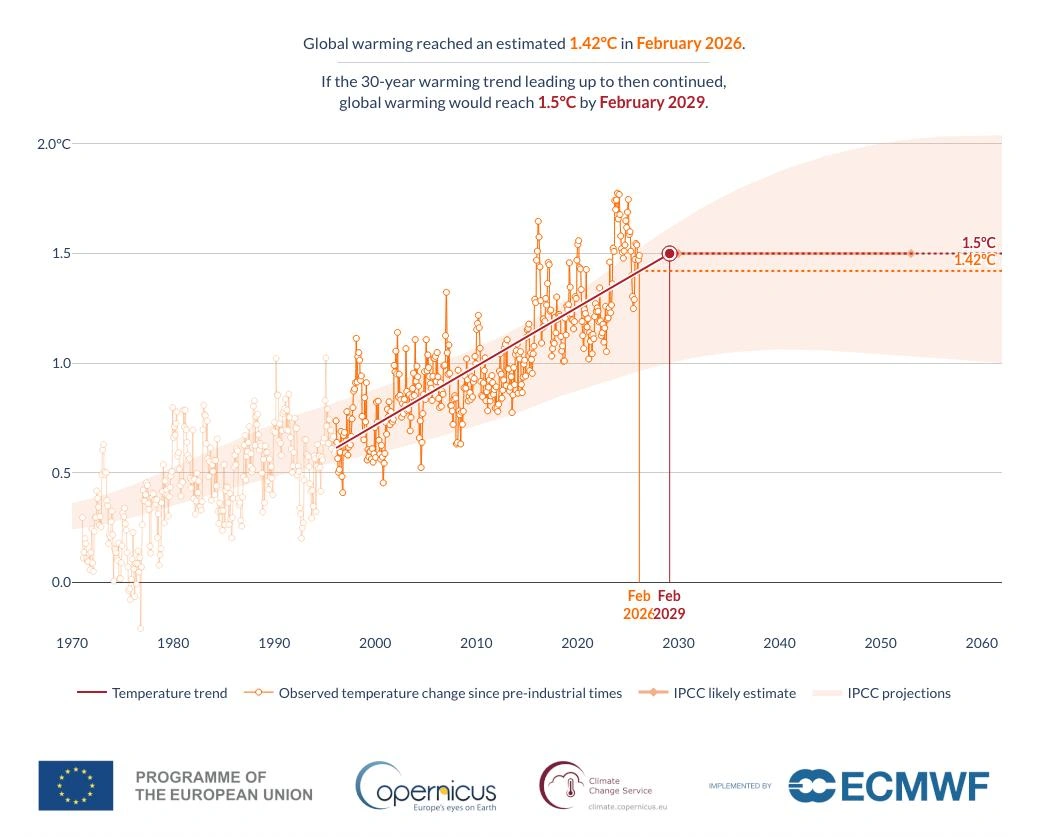
Researchers estimate annual global temperatures between 2026 and 2030 could remain between 1.3°C and 1.9°C above pre-industrial levels.
Global temperatures report raises climate concerns
The global temperatures report warned that the world is moving dangerously close to crossing key climate targets under the Paris Agreement.
Scientists said there is a 91% chance that at least one year between 2026 and 2030 will cross the 1.5°C warming mark temporarily. Experts clarified that a single-year breach does not officially mean the Paris Agreement has failed because climate targets depend on long-term averages.
Researchers also projected a 75% chance that the average global temperature during the five-year period may exceed 1.5°C.
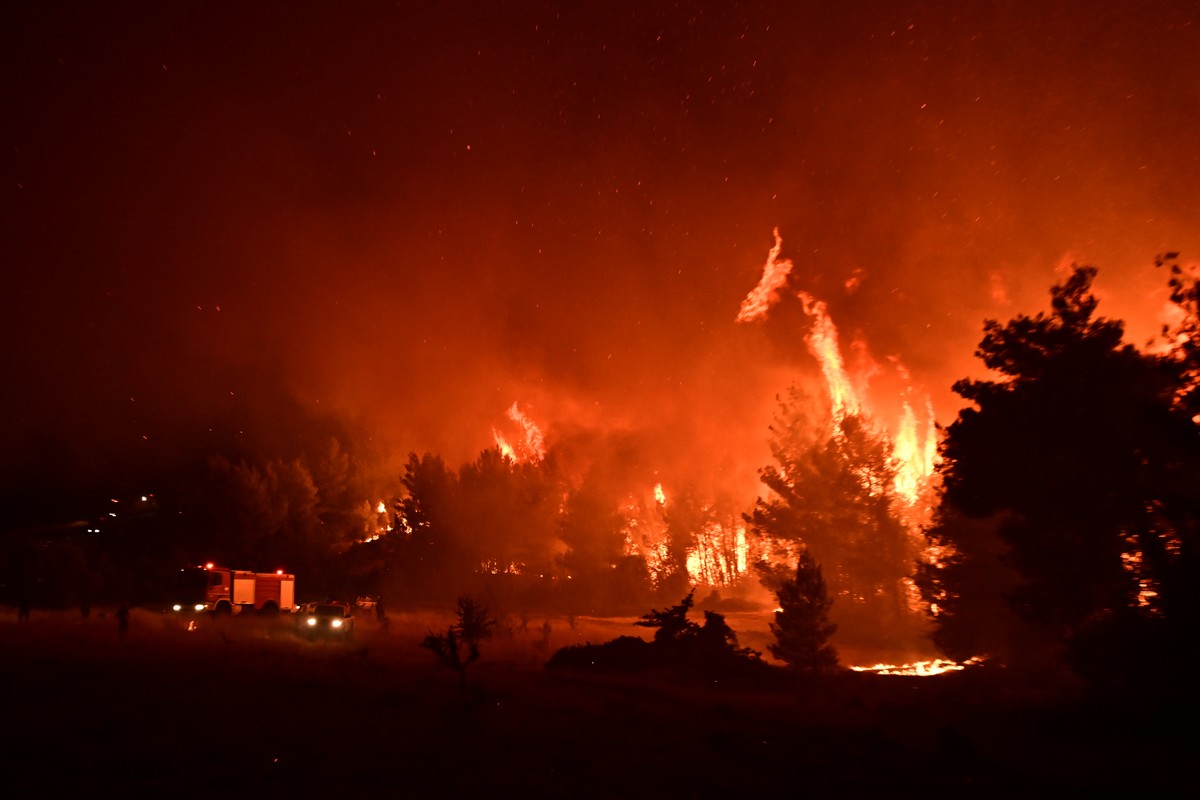
Climate experts warned that rising temperatures increase the risk of heatwaves, floods, droughts and wildfires across many regions.
Several countries already experienced severe weather events during the past two years. Scientists believe extreme weather could become more frequent if temperatures continue rising.
The report predicted that Arctic regions may warm much faster than the rest of the world. Researchers expect Arctic winters to become nearly 2.8°C warmer than recent averages during the next five years.
Also Read: Experts Warn Young Adults Over Rising Eye Damage Cases
El Niño may intensify global heat
Climate scientists said a possible El Niño event around late 2026 may raise global temperatures even further during 2027 and 2028.
El Niño refers to a natural climate pattern linked to warmer Pacific Ocean temperatures. Experts say the phenomenon often increases global heat and disrupts weather systems worldwide.
Researchers also predicted major regional weather changes. Northern Europe may experience wetter winters, while parts of the Amazon region could face drier conditions.
Scientists warned that Arctic sea ice may continue shrinking rapidly. Lower ice coverage reduces Earth’s ability to reflect sunlight and accelerates warming further.
United Nations officials urged governments to act faster on reducing fossil fuel emissions and strengthening clean energy systems.
Climate experts warned that delayed action may worsen food insecurity, economic losses and public health risks across many countries.
The global temperatures report highlighted growing concern among scientists that climate change is approaching levels capable of causing serious long-term environmental damage worldwide.