Doctors and eye specialists are increasingly warning that excessive screen exposure is affecting the eyesight and overall health of young adults across the world.
From smartphones and laptops to tablets and gaming devices, people are now spending record hours looking at digital screens every day.
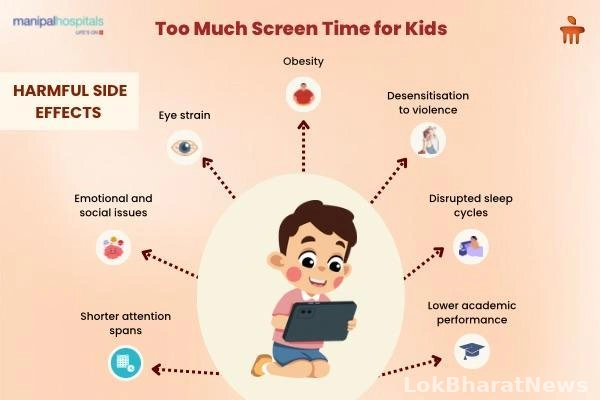
Experts say this trend is contributing to rising cases of eye strain, dry eyes, headaches and sleep disruption.
Health researchers say young adults are particularly vulnerable because of long work hours, online learning, social media usage and nighttime scrolling habits.
Many people also ignore early warning signs until symptoms become severe.
The World Health Organization has previously highlighted concerns over increasing digital exposure among younger populations and its effect on physical and mental well-being.
Screen time and eye damage becoming more common
The screen time and eye damage issue is now drawing serious attention from ophthalmologists and health researchers.
Experts say staring at screens for long periods reduces blinking frequency, which leads to dryness and irritation in the eyes.
Blue light exposure may also contribute to eye fatigue and disrupted sleep cycles, especially during nighttime use.
Many young adults report symptoms such as blurry vision, burning sensation, headaches and difficulty focusing after prolonged device use.
Doctors refer to this condition as digital eye strain or computer vision syndrome.
Researchers also found that excessive screen usage can affect sleep quality because bright screens interfere with melatonin production.
Poor sleep may later contribute to stress, reduced concentration and mental exhaustion.
Several studies suggest children and young adults are now developing myopia, or short-sightedness, at faster rates because of reduced outdoor activity and increasing screen exposure.
Also Read: Why Heart Attacks Are Rising Among Young Indians
Experts advise regular screen breaks
Eye specialists recommend limiting continuous screen exposure and following healthier digital habits throughout the day.
Doctors often suggest the “20-20-20 rule.” People should look at something 20 feet away for 20 seconds after every 20 minutes of screen usage.
Experts say this simple habit may help reduce eye strain significantly.
Maintaining proper screen brightness and improving room lighting can also reduce pressure on the eyes.
Specialists further recommend keeping screens at an appropriate distance and avoiding device usage immediately before sleep.
Health experts also encourage spending more time outdoors because natural light exposure supports healthier eye development and reduces myopia risk in younger individuals.
Some ophthalmologists warn that untreated digital eye strain may eventually affect productivity, concentration and overall quality of life.
They advise regular eye check-ups, especially for people who spend most of their day on screens.
The screen time and eye damage concern is expected to grow further as digital lifestyles continue expanding across workplaces, schools and social platforms worldwide.