The World Health Organization has warned that the Democratic Republic of Congo is facing a “catastrophic collision” of Ebola and armed conflict as the outbreak continues spreading across eastern regions of the country.
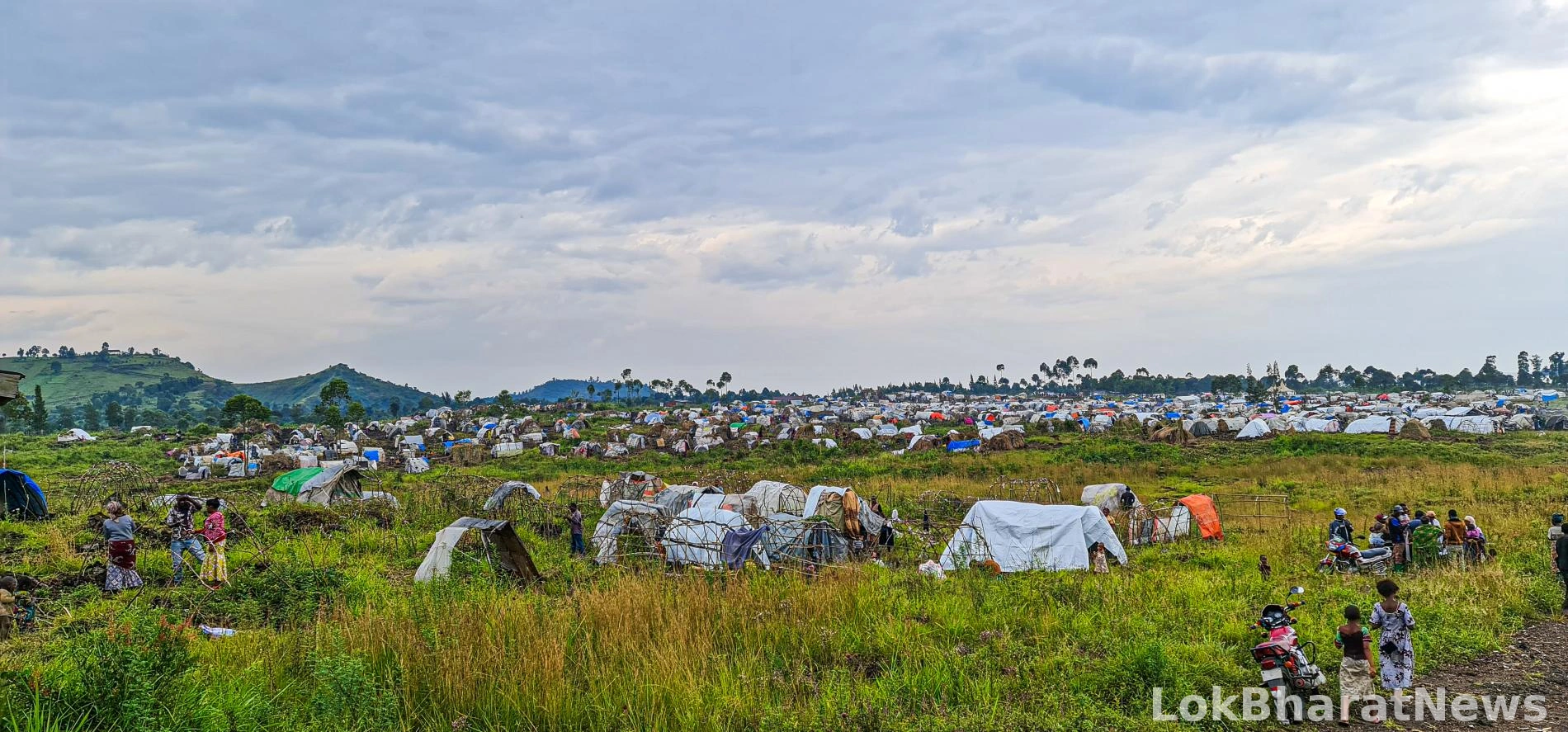
WHO Director-General Tedros Adhanom Ghebreyesus said ongoing violence in eastern DR Congo is severely damaging efforts to contain the deadly outbreak. Health workers are struggling to reach affected communities because of insecurity, displacement and attacks near medical facilities.
The current outbreak involves the rare Bundibugyo strain of Ebola, for which no approved vaccine or specific treatment currently exists. WHO declared the outbreak a global public health emergency earlier this month.
DR Congo Ebola crisis worsens amid fighting
The DR Congo Ebola crisis has rapidly intensified in provinces including Ituri, North Kivu and South Kivu, areas heavily affected by armed conflict and population displacement.
According to WHO and health officials, more than 900 suspected cases and over 200 suspected deaths have already been reported. Uganda has also confirmed infections linked to cross-border movement from Congo.
Medical workers say contact tracing has become extremely difficult because many communities distrust authorities and humanitarian agencies. Some Ebola patients have reportedly fled quarantine centres during periods of unrest.
WHO officials warned that only a small percentage of identified contacts are currently being monitored properly. Aid groups also reported shortages of body bags, protective gear, chlorine and testing supplies in several districts.
Also Read: Summer Health Tips: Simple Ways To Stay Safe In Extreme Heat
Humanitarian agencies seek urgent ceasefire
International health agencies and humanitarian groups are now calling for an immediate ceasefire to allow medical teams safe access to affected regions.
Tedros said controlling the outbreak will remain extremely difficult unless violence decreases and humanitarian corridors remain open. WHO warned that continued fighting could allow the virus to spread deeper into densely populated areas.
Children have also been heavily affected during the outbreak. Aid organisations reported that nearly one-quarter of confirmed Ebola deaths involve minors.
The outbreak has already triggered travel precautions and border monitoring measures in neighbouring countries. Uganda recently tightened health screening along major crossing points after recording confirmed cases linked to eastern Congo.
Experts fear the situation could worsen further if funding delays continue. WHO and partner agencies are seeking hundreds of millions of dollars to strengthen surveillance, treatment and emergency response systems.
The DR Congo Ebola crisis is now being viewed as one of the most dangerous health emergencies in Africa in recent years because of the combination of disease spread, armed violence and collapsing healthcare access.