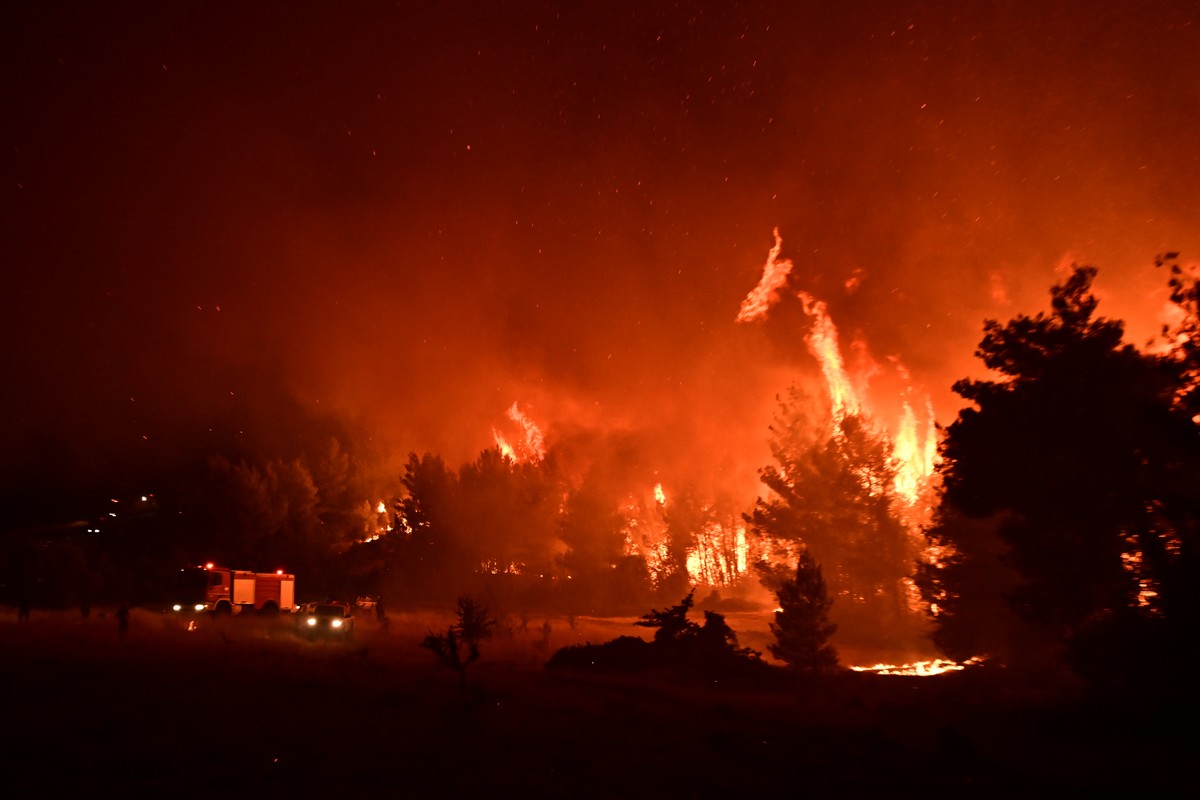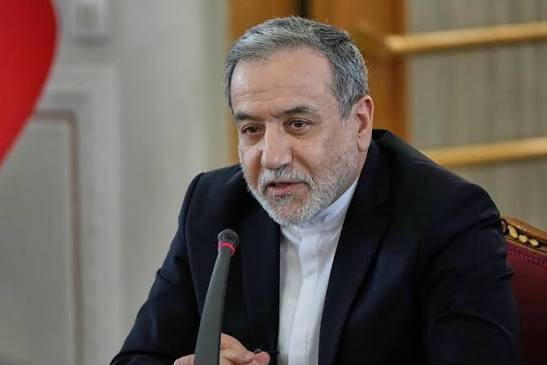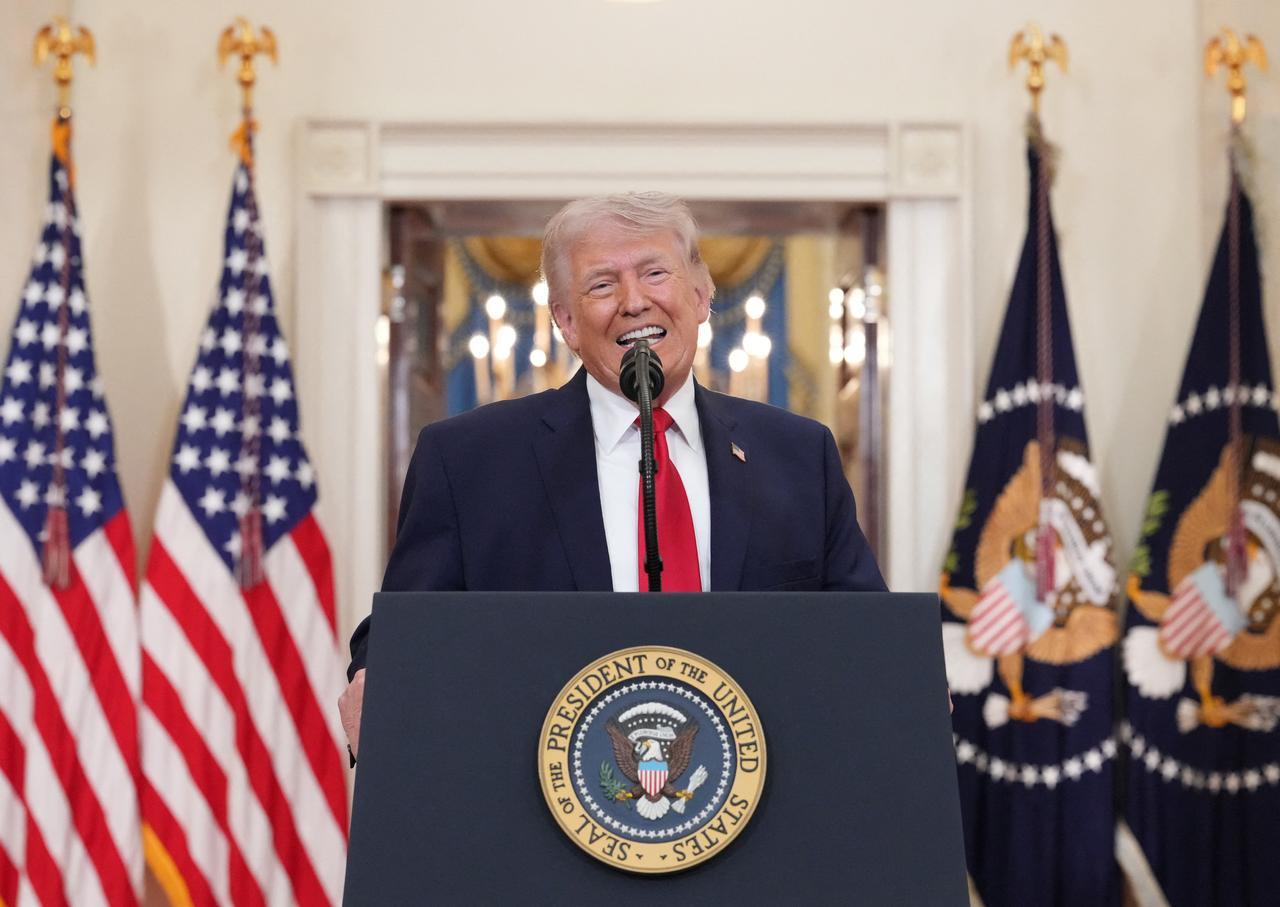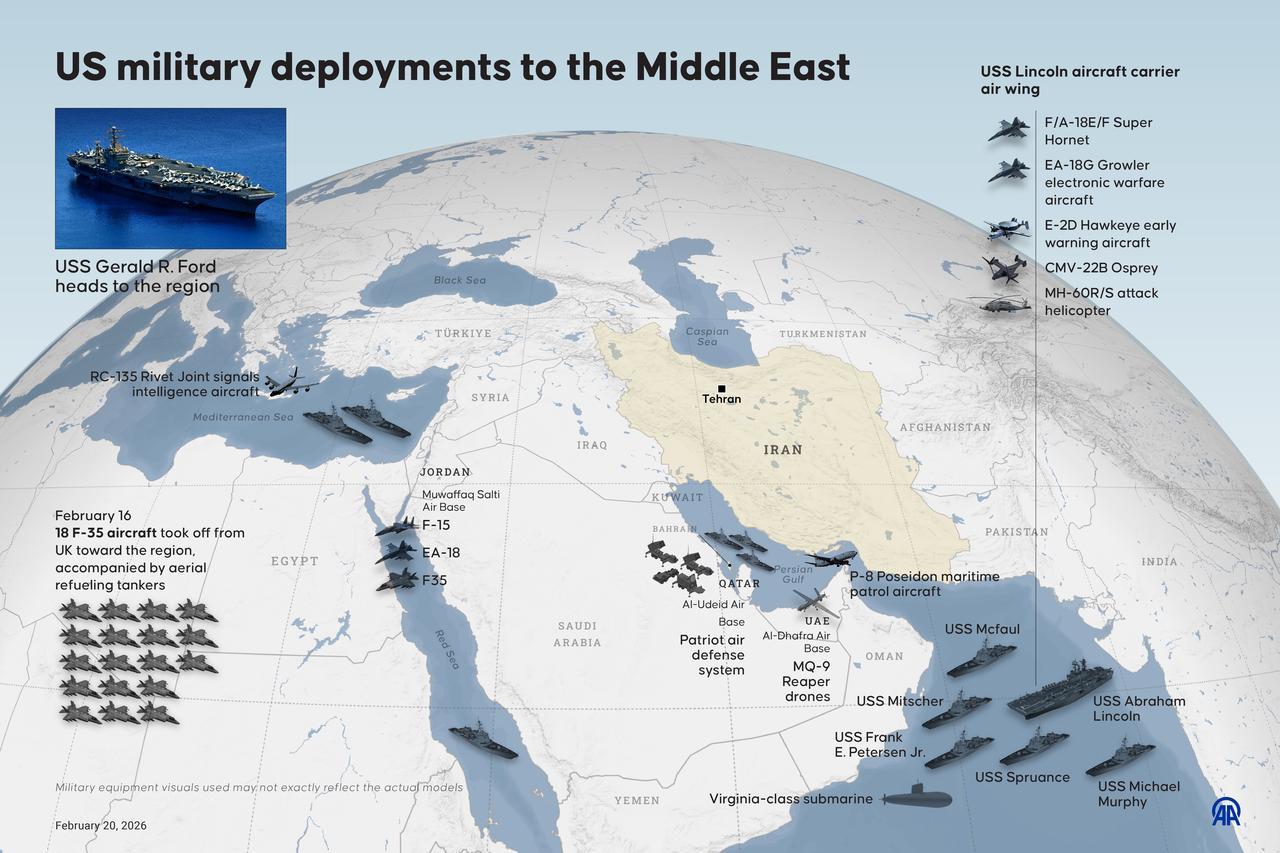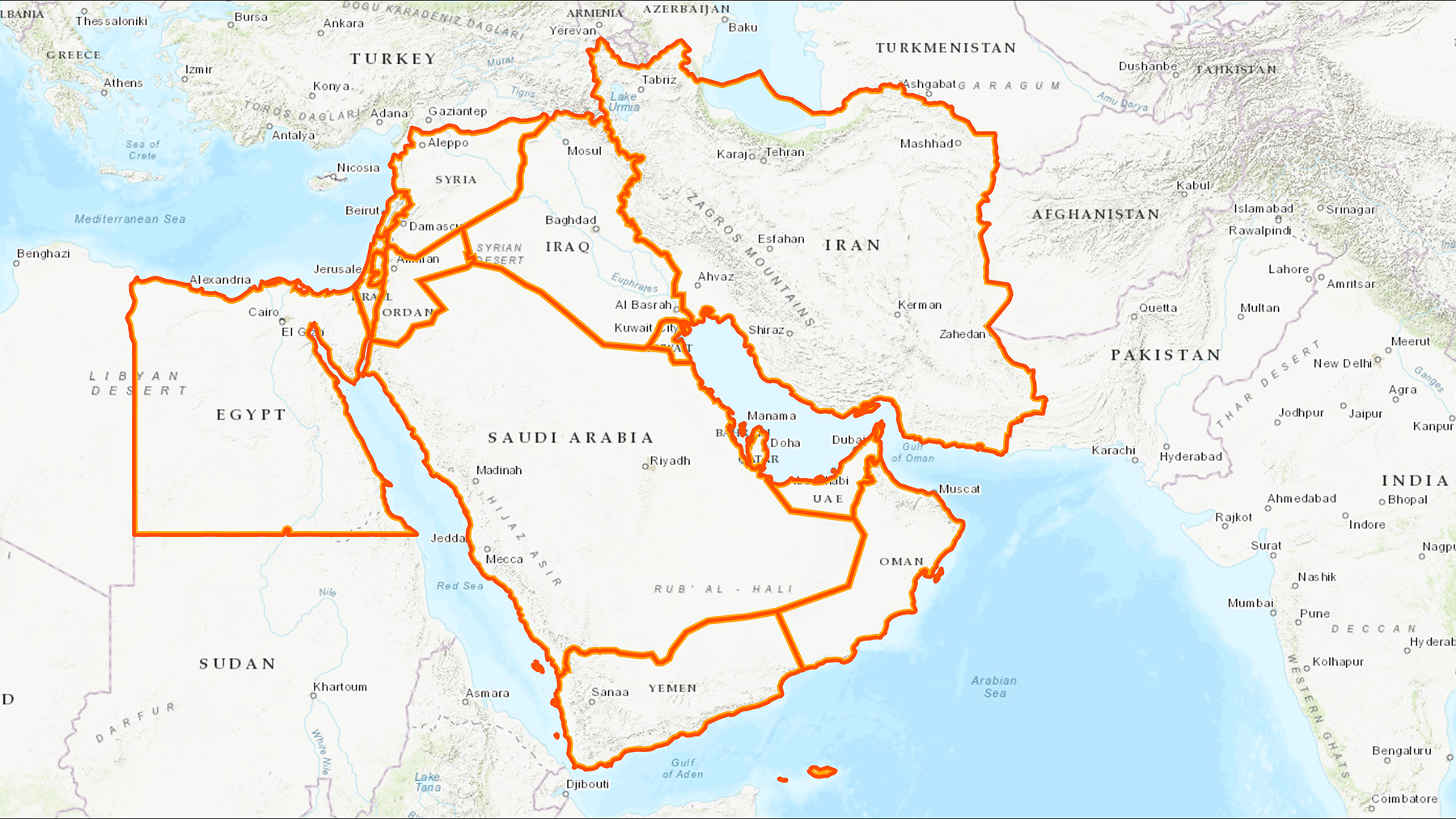
The rising tensions in the Middle East involving United States, Israel, and Iran have turned into a major global issue. What started as a regional conflict has now expanded into a situation that is affecting countries across the world. Military activities such as airstrikes, missile launches, and strong diplomatic warnings have increased uncertainty and fear of a larger conflict. As global powers take positions, the situation is becoming more complex, drawing attention from governments, businesses, and citizens worldwide.
Global Markets React to Rising Uncertainty
Financial markets across the world have shown signs of instability due to this conflict. Investors generally prefer stable conditions, but geopolitical tensions create fear and unpredictability. As a result, stock markets in many countries have experienced declines, and investors are becoming more cautious. Companies connected to energy, logistics, and international trade are especially affected. This situation highlights how deeply global events are connected to financial systems, where even a regional conflict can trigger worldwide economic reactions.
Surge in Oil Prices and Its Direct Impact
One of the most immediate effects of this conflict is the sharp rise in oil prices. The Middle East is a key region for global oil supply, and any disruption there directly affects availability and pricing. With crude oil prices crossing significant levels, countries that depend on imports, like India, are facing increased pressure. Higher oil prices lead to increased fuel costs, which then affect transportation, electricity, and the cost of everyday goods. This chain reaction can eventually lead to inflation, making life more expensive for common people.
Impact on India’s Economy and Daily Life
India, being one of the largest importers of crude oil, is particularly sensitive to such global developments. Although the government is currently trying to keep fuel prices stable, prolonged conflict may make it difficult to maintain this balance. Increased fuel costs can affect multiple sectors including transportation, agriculture, and manufacturing. For the common citizen, this may result in higher prices for food, travel, and essential commodities. However, India is also exploring alternative energy sources and import strategies to reduce dependency and manage risks effectively.
Global Security and Travel Concerns
Apart from economic challenges, the conflict has also raised serious concerns about global safety and security. Countries are advising their citizens to stay cautious, especially when traveling to or living in regions close to the conflict zone. Airlines may change routes, and international travel could become more expensive or restricted. This uncertainty has made people more aware of global risks and the importance of staying informed about international developments.
Energy Supply Chain Under Pressure
The ongoing tensions are also putting pressure on the global energy supply chain. Important routes used for transporting oil and gas are at risk, which could disrupt supply in multiple countries. This situation forces nations to rethink their energy strategies and look for alternative suppliers. India, for example, has started increasing imports from other countries to ensure a steady supply. Such adjustments show how countries adapt quickly in response to global challenges.
In conclusion, the Middle East conflict is no longer just a regional issue—it has become a global concern with wide-reaching effects. From rising oil prices and economic instability to security concerns and changing trade dynamics, its impact is being felt everywhere. For countries like India and others around the world, staying prepared and adapting to changing conditions is essential. As the situation continues to evolve, keeping track of reliable updates and understanding its implications will help individuals and businesses make better decisions.