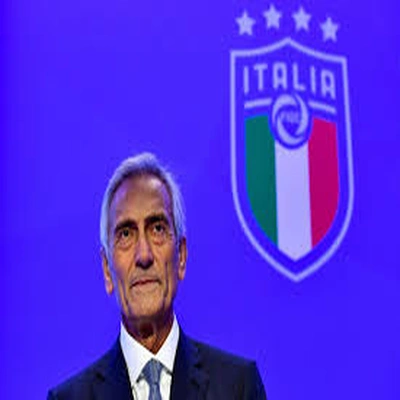
Italy football world has been shaken once again after the head of the Italian Football Federation stepped down following the national team’s failure to qualify for the FIFA World Cup. This marks yet another painful chapter for one of football’s most historic nations, raising serious questions about the future of Italian football.
A Historic Nation Facing Repeated Setbacks
Italy, a four-time World Cup champion, has long been considered one of the giants of international football. However, recent years have told a very different story. After missing out on the 2018 and 2022 World Cups, the latest failure to qualify for the 2026 edition has intensified criticism of the country’s football system.
Fans and analysts alike have expressed frustration, as a nation with such a rich footballing legacy continues to struggle on the international stage. Despite having talented players and a strong domestic league, Italy has been unable to translate its potential into consistent results when it matters most.
A Historic Nation Facing Repeated Setbacks
Italy, a four-time World Cup champion, has long been regarded as a powerhouse in international football. However, recent years have told a different story. After missing the FIFA World Cup 2018 and FIFA World Cup 2022, failing again to qualify in 2026 has raised serious concerns.
Fans and analysts are increasingly frustrated. Despite having talented players and a competitive domestic league, Italy has struggled to deliver results on the biggest stage. This pattern suggests deeper structural problems rather than isolated failures.
Leadership Under Pressure
The resignation of the federation chief comes after mounting criticism from supporters, media, and football experts. Many believe that poor administrative decisions, lack of long-term planning, and inconsistent coaching strategies have contributed to the decline.
By stepping down, the outgoing president has taken responsibility and opened the door for change. His departure is widely seen as an opportunity to bring fresh ideas, rebuild trust, and reshape the future of Italian football.
Key Reasons Behind Italy’s Decline
Several factors have contributed to Italy’s ongoing struggles:
- Weak Youth Development
Italy has not produced enough world-class young talent compared to other European nations. - Outdated Tactical Approach
The team has struggled to adapt to modern, fast-paced styles of play. - Gap Between League and National Team
While Serie A remains competitive, its success has not translated to international dominance. - Frequent Managerial Changes
Lack of stability in coaching has disrupted long-term team development.
What Happens Next?
The leadership change creates an opportunity for major reforms within the Italian Football Federation. The focus is expected to shift toward:
- Strengthening youth academies
- Introducing modern tactical systems
- Ensuring long-term coaching stability
- Building a clear and consistent football vision
The appointment of a new head coach and technical staff will be crucial in shaping the next phase.
Impact on Global Football
Italy’s absence from the FIFA World Cup 2026 is not just a national issue—it impacts global football. As one of the sport’s most iconic teams, Italy brings prestige, history, and excitement to the tournament.
Their continued absence highlights how competitive international football has become, with emerging nations rising while traditional giants face increasing pressure.
Conclusion
This moment represents both a setback and an opportunity for Italy. While the failure to qualify is a major disappointment, the leadership change provides a chance to reset and rebuild.
If the right decisions are made now, Italy can return stronger and reclaim its place among football’s elite.
The resignation of the federation chief comes amid mounting pressure from supporters, media, and football experts. Many believe that poor decision-making at the administrative level, lack of long-term planning, and inconsistent coaching strategies have contributed to Italy’s decline.