Iran Warns Ships: No Permit, No Passage Through the Strait of Hormuz
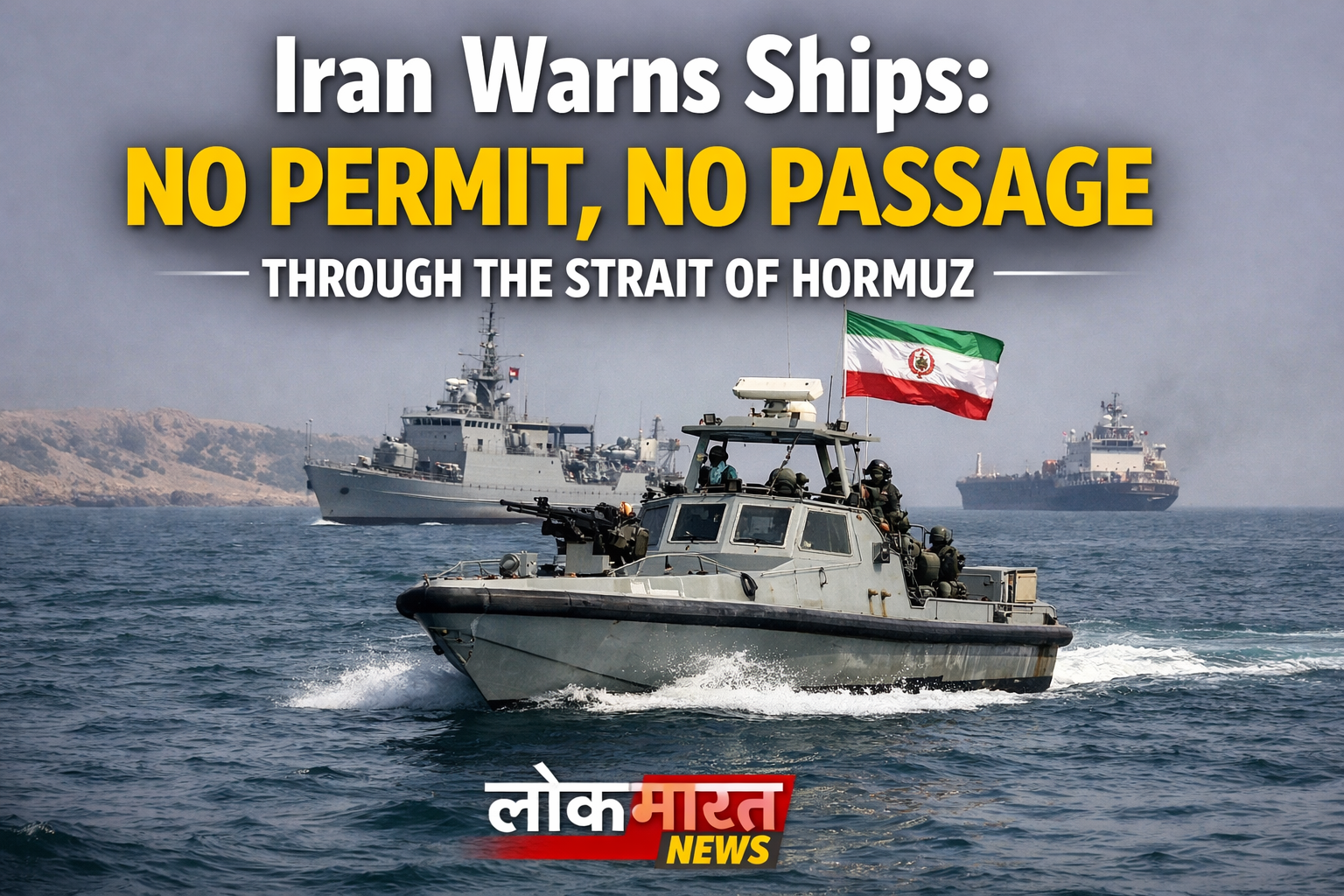
Iran has issued a clear and serious warning to all ships navigating the Strait of Hormuz. The Iranian Navy, part of the Islamic Revolutionary Guard Corps (IRGC), stated that any vessel trying to pass without permission could be destroyed. This comes after a short-term ceasefire agreement with the United States, but it makes clear that, despite the diplomatic pause, control of the strait remains firmly in Iran’s hands. Ships now need to coordinate closely with Iranian authorities before entering the waterway, or risk severe consequences. The warning has created tension among shipping companies and governments, who must carefully navigate the fine line between operational necessity and safety.
Why the Strait of Hormuz Matters
The Strait of Hormuz is one of the most strategic waterways in the world. It connects the Persian Gulf with the Arabian Sea and the Indian Ocean, and nearly 20% of the world’s oil passes through it each day. Any disruption can immediately affect global oil prices, shipping schedules, and trade flows. Even with the ceasefire, the latest warning shows that navigation is not automatically safe, and vessels must follow strict instructions. The situation highlights how fragile maritime operations are in a region that has both high economic value and high geopolitical tension.
Ceasefire vs. Reality at Sea
While the ceasefire was meant to reduce tensions, the situation on the water is still uncertain. Iran says ships may transit the strait, but only under strict coordination with its navy. Many vessels are anchored outside the strait, waiting for clear instructions, while others proceed cautiously, closely monitoring Iranian communications. Major shipping companies, including Maersk and Hapag-Lloyd, have said they will not resume full operations until a reliable and enforceable system for safe passage is in place. This shows that, even with a ceasefire, shipping in the strait remains risky and highly controlled.
Global Repercussions
Iran’s warning has immediately affected global shipping and energy markets. Countries dependent on the strait for oil and gas are watching closely. Insurers are reviewing risks for vessels operating in the region. Maritime experts are also discussing whether Iran’s permit rules comply with international law, which generally guarantees freedom of passage in international straits. In practice, the warning has created delays, higher insurance costs, and uncertainty for shipping companies. Analysts warn that any misstep could quickly escalate tensions, affecting trade, energy prices, and regional stability.