Global Economy Under Pressure Due to Iran Conflict
Geopolitical Tension Creating Worldwide Economic Stress
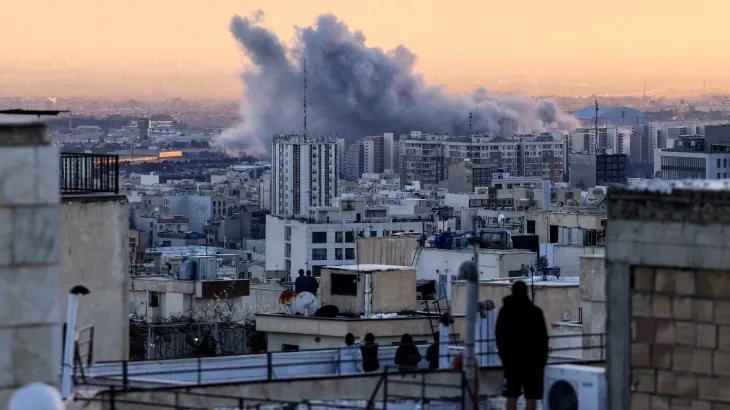
The ongoing Iran-related conflict in West Asia is developing into a major global economic concern, affecting countries far beyond the region itself. The International Monetary Fund (IMF) has highlighted that increasing instability is disrupting global financial balance, weakening growth expectations, and creating uncertainty in international markets. Investors and governments are closely monitoring the situation because even small escalations in this region can trigger large-scale economic reactions across energy, trade, and currency systems worldwide.
Oil Supply Disruption and Energy Market Volatility
One of the most immediate effects of the conflict is instability in global oil supply. The Strait of Hormuz, a crucial passage for worldwide oil transportation, has become a sensitive zone, causing fear of supply interruption. As a result, crude oil prices have become highly volatile, creating instability in energy markets. This fluctuation directly impacts fuel pricing, transportation costs, and industrial production expenses across many countries, making economic planning more difficult for governments and businesses.
Rising Inflation Pressure Across Countries
As oil and energy prices rise, inflation is spreading across global economies. Higher fuel costs increase the price of transportation, electricity, manufacturing, and agricultural production. This creates a chain reaction where essential goods such as food, clothing, and services become more expensive. Many central banks are now forced to maintain tighter monetary policies, which slows down borrowing, investment, and overall economic growth.
Global Trade and Supply Chain Disruptions
The conflict is also affecting global trade networks and supply chain stability. Shipping routes are facing delays and higher operational risks, which is increasing delivery costs for goods moving between continents. Industries dependent on imported raw materials, such as electronics, construction, and agriculture, are experiencing cost pressures and production delays. Developing countries are especially vulnerable as they rely heavily on imports and have limited economic buffers.
IMF Outlook on Global Economic Growth
The IMF has revised global economic forecasts due to rising uncertainty. It warns that continued conflict could reduce global GDP growth and weaken recovery in multiple regions. Energy-importing countries are expected to face the most significant challenges, while emerging markets may experience capital outflows and currency pressure. This situation could lead to slower global development and increased economic inequality between regions.
Financial Markets and Investor Sentiment Impact
Financial markets are reacting cautiously to ongoing geopolitical risks. Stock markets, commodity markets, and currency exchange rates are showing increased volatility. Investors are becoming more risk-averse, shifting funds toward safer assets such as gold and government bonds. This cautious behavior is reducing capital inflow into high-risk markets and slowing down expansion plans in several industries.
Impact on Industries and Businesses Worldwide
Industries that depend heavily on energy and logistics are facing rising operational costs. Manufacturing units, airline companies, shipping firms, and agricultural sectors are particularly affected. Businesses are being forced to adjust pricing strategies, reduce profit margins, or delay expansion plans due to uncertain economic conditions. Small and medium enterprises are experiencing even greater pressure due to limited financial resilience.
Long-Term Global Economic Risks
Economists warn that even if the conflict stabilizes in the near future, its economic effects may continue for years. The world may experience a long-term “risk premium” in oil prices, meaning energy will remain more expensive than before. Global trade recovery could remain slow, and investor confidence may take time to fully return. Additionally, inflation trends may stay elevated in several regions, affecting long-term economic stability.
Conclusion: A Global Economic Warning Signal
The Iran conflict has evolved into a major global economic challenge rather than just a regional issue. It is influencing energy markets, increasing inflation, disrupting trade, and slowing down global growth. The IMF and global experts continue to warn that prolonged instability could reshape the world economy, making it more expensive, uncertain, and slower in recovery.