“Tips to Avoid Becoming a Cartoon in a Fashion Disaster Movie”
In the world of fashion cinema, not every film can be a runway success. While movies that explore the glamorous world of designers, models, and high-end fashion often capture audiences’ imaginations, many fall into predictable clichés, leaving characters flat and audiences unimpressed. Experts now warn aspiring actors, writers, and directors to be careful not to turn themselves into stock characters in what has been termed a “bad fashion flick.”

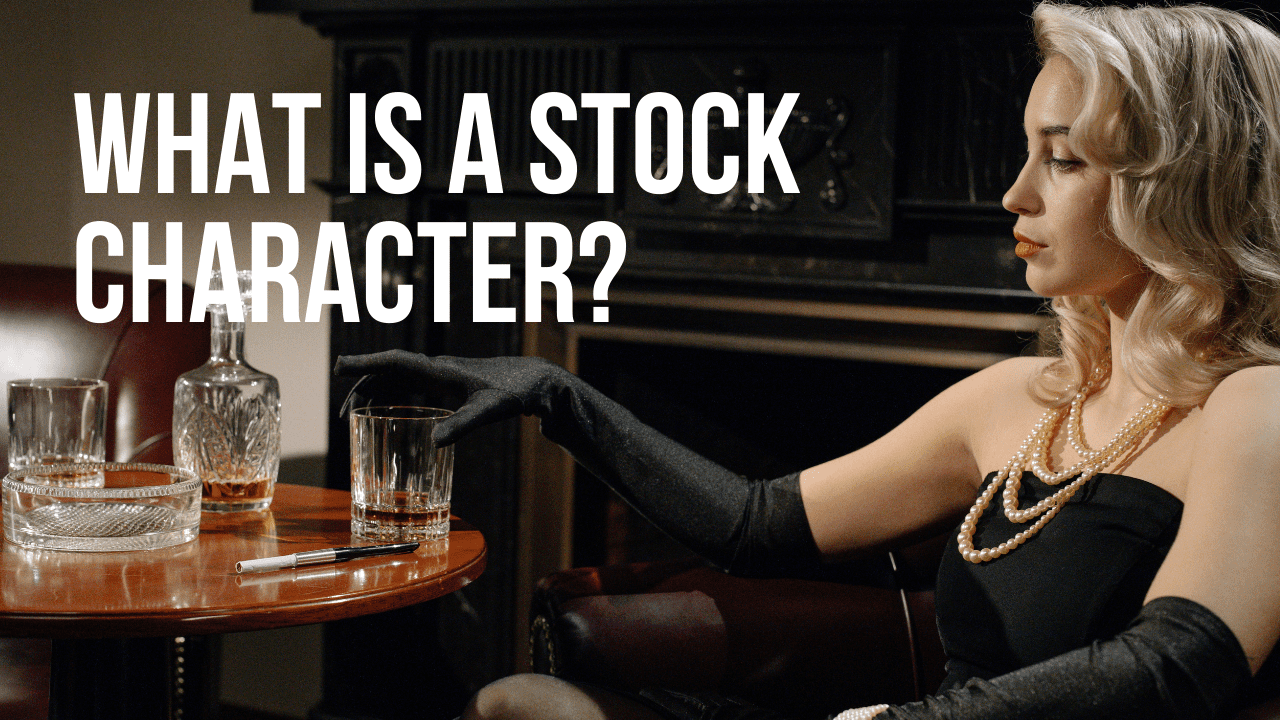
A “bad fashion flick” is typically defined by weak storytelling, overused tropes, and characters who are one-dimensional, existing only to serve a plot rather than feeling like real people. Common stock characters include the overambitious model who betrays friends for fame, the arrogant designer who is secretly insecure, or the quirky best friend whose sole purpose is comic relief. While these archetypes may seem harmless or even humorous, overreliance on them can make a film feel shallow and uninspired.

Film critics argue that one of the main reasons fashion films often fall into these traps is their focus on style over substance. Elaborate costumes, luxurious settings, and striking runway sequences may dazzle viewers, but without nuanced characters and meaningful narratives, the story risks being superficial. As a result, actors can find themselves reduced to walking mannequins rather than fully realized characters, limiting the impact of their performances.
Industry professionals suggest several strategies to avoid this pitfall. For actors, it’s crucial to dig into a character’s motivations beyond the script. Understanding the emotional stakes, personal conflicts, and growth arcs allows performers to deliver authenticity, even in films that rely heavily on spectacle. For writers and directors, the key is balance: fashion should enhance the story, not replace it. Creating layered characters who have desires, fears, and moral dilemmas can turn even a visually focused film into a compelling narrative.

Audiences have also become increasingly savvy, expecting more than just glitz and glamour. Social media discussions around fashion films often critique characters that feel flat or predictable, indicating that viewers value depth alongside visual spectacle. Independent fashion filmmakers have begun responding to this demand by exploring stories that combine stylish visuals with complex, relatable characters, proving that fashion cinema doesn’t have to be shallow to be entertaining.
Ultimately, the message is clear: whether you’re in front of the camera or behind it, there is a responsibility to avoid clichés. By focusing on real human experiences, character depth, and meaningful storytelling, filmmakers and actors can ensure they don’t become part of a forgettable stock of characters in a bad fashion flick. Style may draw attention, but substance is what makes a film memorable.