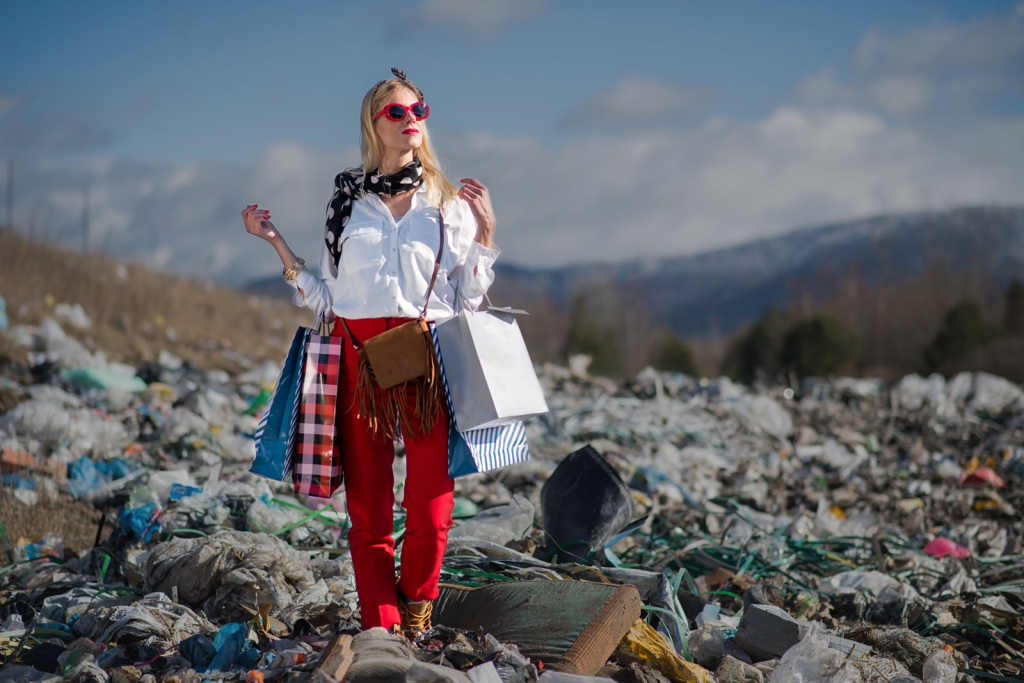
The Planetary Consequences of the Fast Fashion Industry
The fast fashion industry, once celebrated for making trendy clothing affordable and accessible, is now facing intense scrutiny for its staggering environmental impact. While consumers have enjoyed rapid cycles of clothing collections at low prices, the ecological costs of producing, transporting, and disposing of these garments are proving to be devastating for the planet.

Fast fashion relies on mass production and frequent turnover of styles, often encouraging consumers to purchase clothing they wear only a few times. This system heavily relies on synthetic fabrics like polyester, nylon, and acrylic, which are derived from petroleum. Producing these materials consumes large amounts of energy and emits significant greenhouse gases, contributing to climate change. Moreover, every time synthetic fabrics are washed, they release microplastics into water systems, posing threats to marine life and entering the food chain.

The production of cotton, a popular natural fiber, also has its environmental drawbacks. Conventional cotton farming requires massive amounts of water and pesticides, which not only deplete local water resources but also pollute soil and rivers. In countries where cotton is heavily farmed for fast fashion brands, communities often face water shortages and health problems caused by chemical exposure.
Textile dyeing and finishing processes add another layer of environmental concern. They are responsible for discharging toxic chemicals into rivers, which can harm aquatic ecosystems and disrupt local communities that rely on these water sources. According to environmental experts, the fashion industry is one of the largest contributors to water pollution globally.

The lifecycle of fast fashion garments further exacerbates the problem. Cheap clothing often has a short lifespan, and most discarded items end up in landfills or are incinerated. Synthetic fibers do not biodegrade, persisting in the environment for hundreds of years. Even second-hand clothing exports from developed nations, intended as donations, often overwhelm developing countries’ waste management systems, creating additional environmental and social challenges.
Governments, activists, and consumers are beginning to respond. Initiatives promoting sustainable fashion, ethical production, and circular economy practices are gaining traction. Brands are experimenting with eco-friendly materials, recycling programs, and more transparent supply chains. Consumers are encouraged to buy less, choose quality over quantity, and extend the life of their garments through repair, resale, or recycling.

The environmental consequences of fast fashion are a sobering reminder that cheap, disposable clothing comes at a hidden cost. While trends change quickly, the damage to the planet is long-lasting. Tackling this crisis requires collaboration across industries, governments, and consumers, emphasizing sustainability and responsibility in fashion choices.