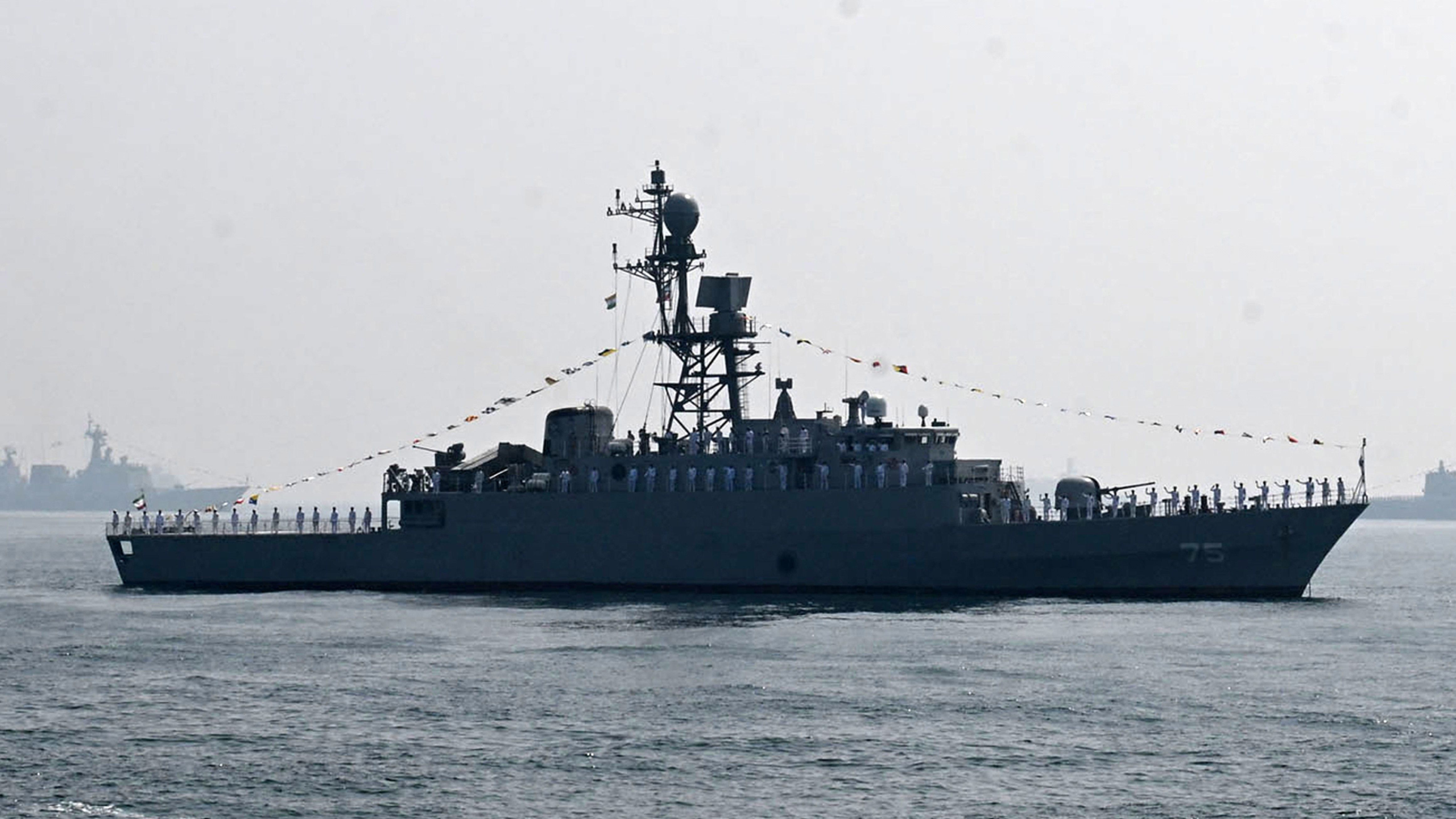
A United States submarine has reportedly sunk the Iranian warship IRIS Dena in the Indian Ocean near Sri Lanka, sharply escalating tensions in the ongoing U.S.-Iran conflict.
According to reports, the Iranian naval vessel was returning from India after participating in an international naval exercise when a U.S. submarine launched a torpedo attack in international waters south of Sri Lanka.
The incident has drawn major international attention because military officials described it as the first time since World War II that an American submarine sank an enemy warship using a torpedo.
Dozens Killed After Warship Sinks
Sri Lankan authorities said the warship carried nearly 180 sailors at the time of the attack.
Rescue teams recovered dozens of bodies from the surrounding waters. Meanwhile, emergency crews rescued several sailors and shifted them to nearby hospitals for treatment.
The Sri Lankan Navy and Air Force launched rescue operations after receiving an early-morning distress signal from the sinking vessel. Consequently, search teams continued operations for several hours in the Indian Ocean.
IRIS Dena Had Recently Visited India
The IRIS Dena had recently participated in MILAN-2026, a multinational naval exercise hosted by the Indian Navy in Visakhapatnam.
The vessel joined warships from multiple countries during the international fleet review before starting its return journey through the Indian Ocean.
Because the strike happened close to one of the world’s busiest maritime routes, the incident has raised concerns across the region. The route connects Asia, the Middle East, and Europe through critical shipping lanes.
Strategic Concerns Grow in the Indian Ocean
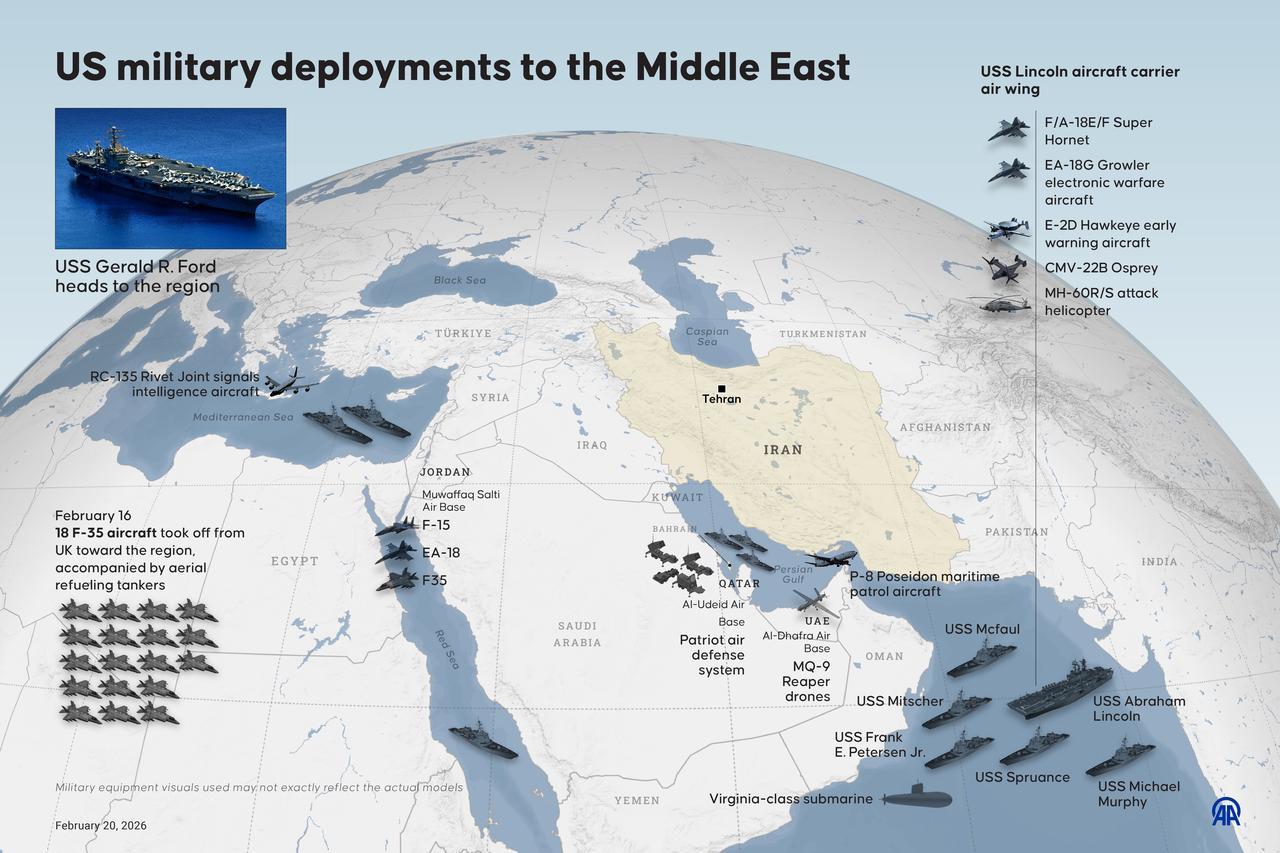
Military analysts believe the attack shows how the widening Iran-U.S.-Israel conflict is expanding beyond the Middle East.
The waters near Sri Lanka remain strategically important for global trade and energy transportation. Therefore, any military escalation in the Indian Ocean could affect international shipping and maritime security.
Governments across Asia are closely monitoring the situation as regional tensions continue to rise.
Meanwhile, global security experts warn that further naval confrontations could increase instability across important commercial sea routes.