Nepal voted on Thursday in its first general election since the youth-led movement that forced former Prime Minister KP Sharma Oli to resign last September.
The political atmosphere in the country has changed significantly since the protests. This time, many young candidates entered the election to challenge Nepal’s traditional political leadership.
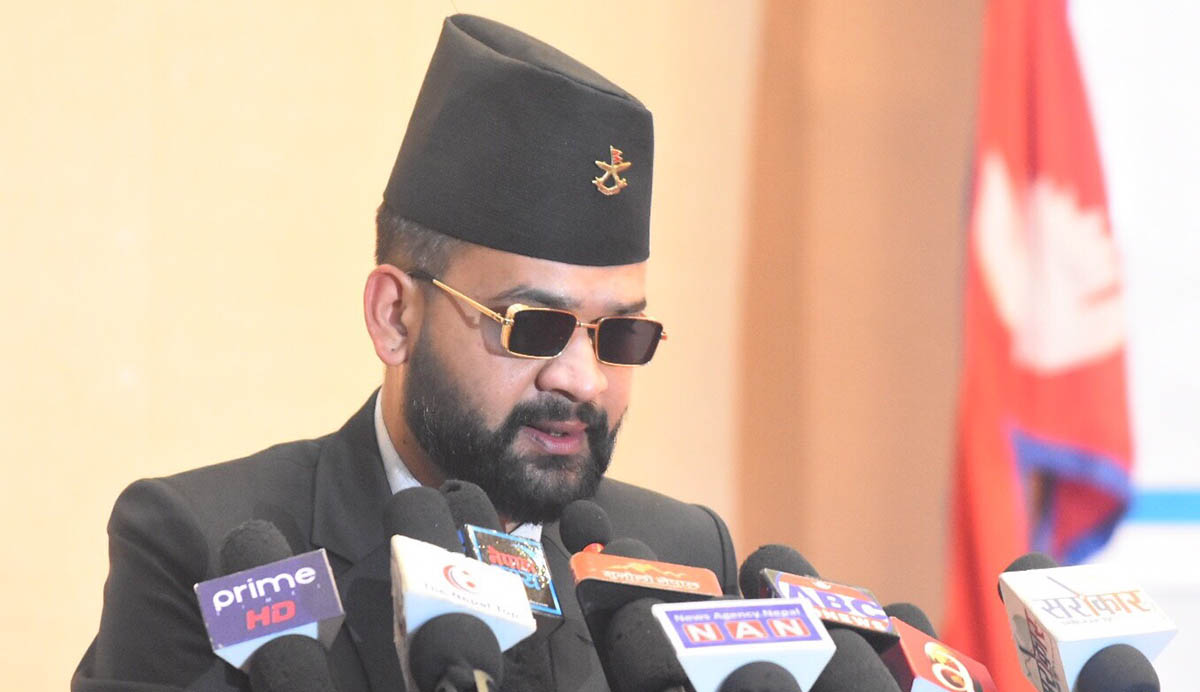
Among them, rapper-turned-politician Balendra Shah, popularly known as Balen, has emerged as one of the biggest faces of the new political movement.
The 35-year-old leader has gained strong support among younger voters. Moreover, many political observers now consider him a leading contender for Nepal’s prime minister position.
After the protests that led to Oli’s resignation, Shah shared a viral message on social media urging young citizens to take responsibility for the country’s future.
Who Is Balendra Shah?
Balendra Shah first rose to national prominence after winning the Kathmandu mayoral election as an independent candidate.
Before entering national politics, he served as Kathmandu’s mayor for three years. Later, he joined the Rastriya Swatantra Party, which secured fourth place in Nepal’s 2022 general election.
Now, Shah has become one of the strongest faces of Nepal’s changing political landscape.
During his early years, he developed an interest in poetry. Eventually, that passion led him toward rap music.
Academically, he studied civil engineering in Nepal before completing a master’s degree in structural engineering from Visvesvaraya Technological University in India.
From Rap Music to Politics
Shah often criticised corruption and Nepal’s political system through his music. Consequently, his songs became highly popular among younger audiences.
One of his best-known tracks, “Balidan,” crossed more than 12 million views on YouTube after its release in 2019.
Later, Shah entered politics with the slogan “Time for Change” during his Kathmandu mayoral campaign. He won the election comfortably, signalling growing public support for new leadership.
Unlike many traditional politicians, Shah rarely speaks to mainstream media outlets. Instead, he communicates directly with supporters through social media platforms.
As a result, he has built an online following of more than 3.5 million people.
Race for Prime Minister Intensifies
In December last year, Shah officially joined the Rastriya Swatantra Party led by Rabi Lamichhane.
Soon after, the party selected him as its prime ministerial candidate.
The party manifesto promises major economic reforms. These include creating 1.2 million jobs and reducing labour migration from Nepal.