ItHjiXLoZMI9UWDa K7dVPPl2MKlFVMCBROVoY4UrykGet8OznkrsrHPDrs3g5HGMnUNmzlLsvFnnFQemnxofRo2KuGp9KQ7 H4qNcIOFtK9tByu1LYo5v88bFgVgInq6w3j gLxQtujxBUhWXmCypnHhNpDW8kNA4 Bp yRUJW19M7AWU5STKdgphuMd2ZT
US Navy Intercepts Oil Tankers Near Hormuz
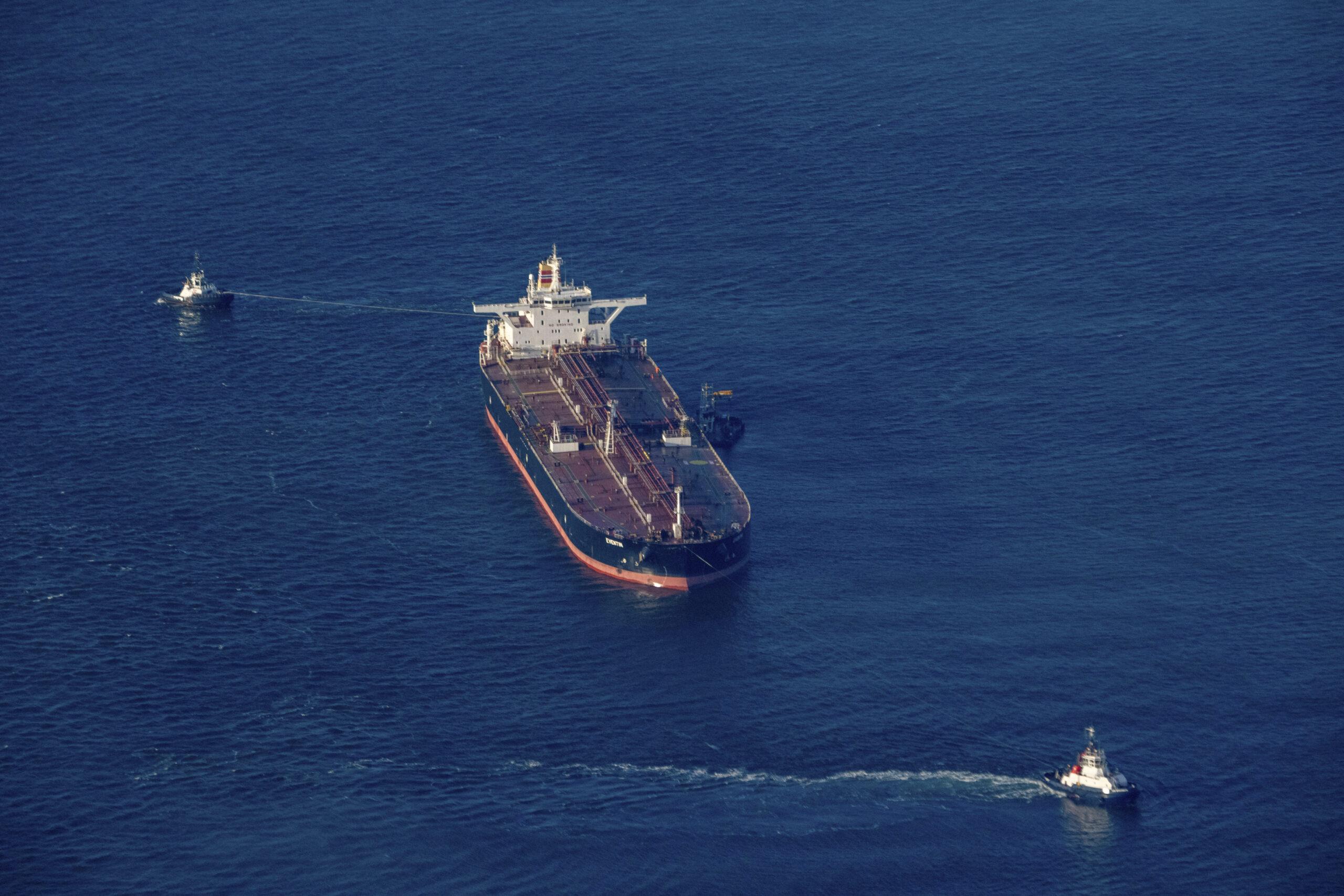
A US Navy destroyer intercepted two oil tankers attempting to leave Iran, marking the first signs of enforcement of Washington’s blockade in the region.

The vessels had departed from Chabahar port in the Gulf of Oman when they were contacted by radio and ordered to turn back. The development comes a day after US President Donald Trump announced measures to restrict maritime movement linked to Iran.
First Signs of Blockade Enforcement
According to a US official cited by Reuters, the warship instructed the tankers to reverse course. It remains unclear whether additional warnings or actions were taken.

The incident is being seen as the initial phase of enforcing the blockade, aimed at limiting Iran’s access to global trade routes and oil exports.
Strait of Hormuz at the Center of Crisis
The blockade is linked to the broader situation around the Strait of Hormuz, one of the world’s most critical energy chokepoints.

Nearly one-fifth of global oil supplies pass through this narrow waterway, making any disruption highly sensitive for international markets.
Ceasefire Context and Rising Pressure
The move comes after talks aimed at ending hostilities in the ongoing Iran–US–Israel conflict collapsed.

The conflict, which began on February 28, is now in its second month and is currently under a temporary two-week ceasefire.

Trump has linked the reopening of the Strait of Hormuz to this ceasefire arrangement, which is expected to expire next week.
More Ships Asked to Turn Back
A statement from US Central Command said that at least six merchant vessels had already complied with instructions to turn around and return to Iranian ports.

Officials added that no ships have successfully passed through the blockade since it began, highlighting the tightening control over maritime movement.
What Happens Next
The situation remains highly fluid as enforcement of the blockade continues.

Key developments to watch include:
Whether more vessels attempt to pass through
Iran’s response to the restrictions
The impact on global oil supply and shipping
For now, the interception of the tankers signals that the blockade is moving from announcement to active enforcement.