India is among the countries whose vessels will receive safe passage through the Strait of Hormuz as tensions continue to rise in the Gulf region.
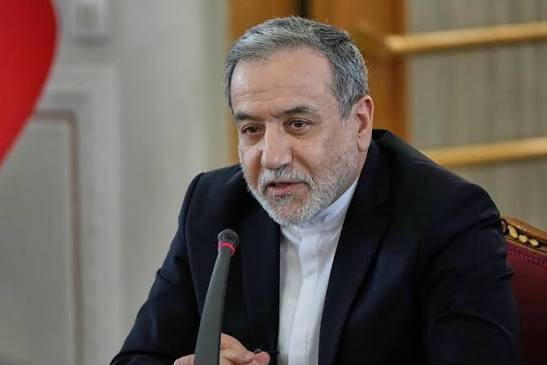
Iranian Foreign Minister Abbas Araghchi said Iran would allow ships from “friendly nations” to move safely through the strategic waterway. The list reportedly includes India, China, Russia, Iraq, and Pakistan.
The announcement comes at a time when global markets remain focused on maritime security and energy supplies in the Gulf.
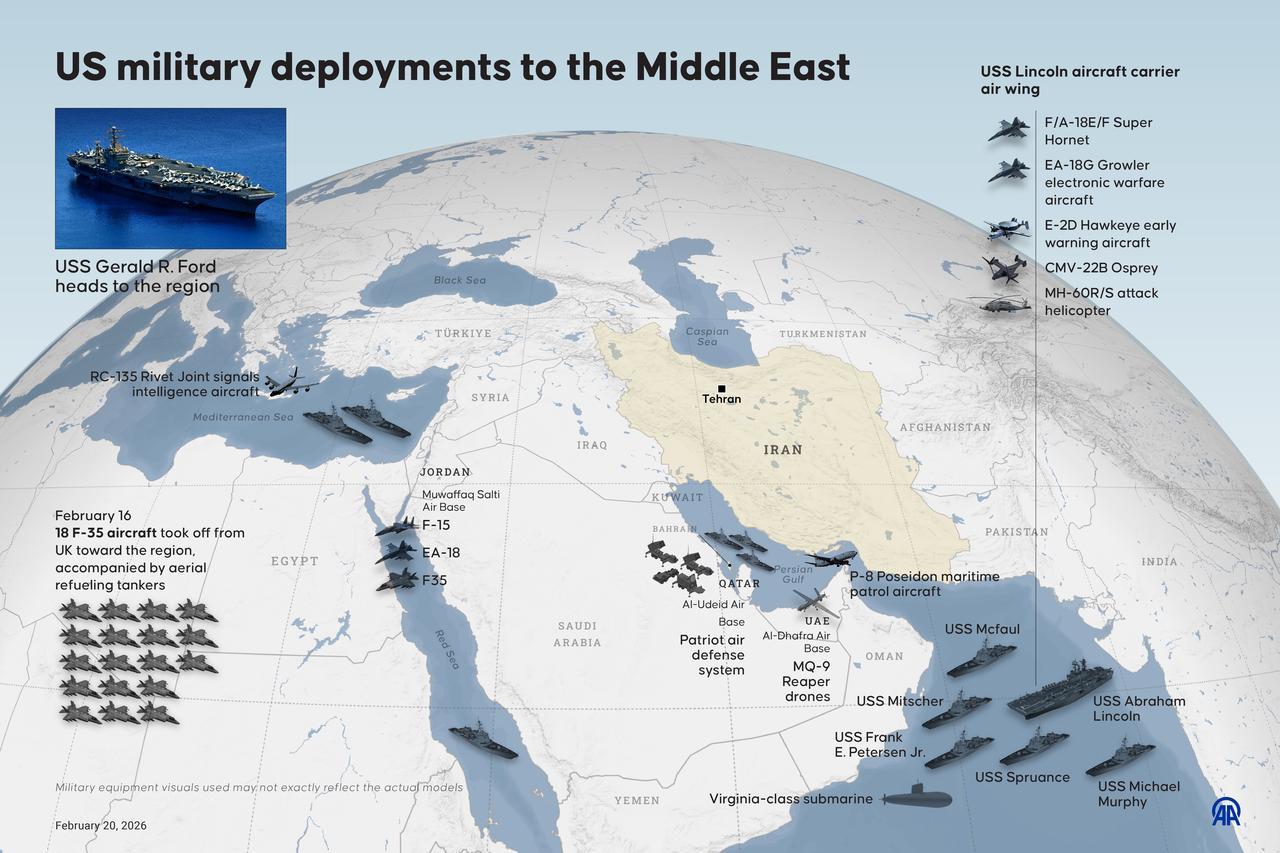
Meanwhile, rising tensions near the Strait of Hormuz have increased fears of disruptions to global oil trade and commercial shipping routes.
Why the Strait of Hormuz Is Important
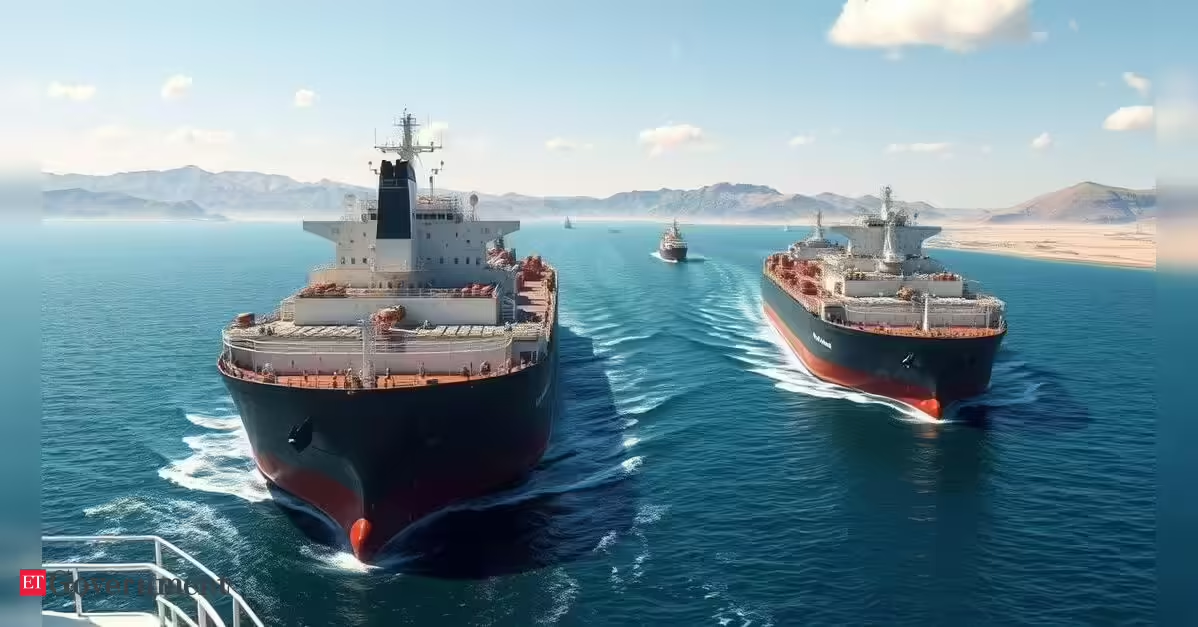
The Strait of Hormuz remains one of the world’s most important maritime corridors.
A large portion of global crude oil and liquefied natural gas shipments passes through the narrow route connecting the Persian Gulf to international markets.
Countries such as India rely heavily on energy imports that travel through the strait. Therefore, any disruption in the region can affect fuel prices, shipping costs, and global supply chains.
In addition, instability near the route often creates volatility in international energy markets.
Iran Announces “Friendly Nations” Policy
Iran has indicated that it will guarantee safe passage only for ships from countries it considers non-hostile.
According to reports, vessels may still require prior coordination with Iranian authorities before entering the route.
Analysts believe Tehran introduced the policy as both a security measure and a diplomatic signal during a sensitive geopolitical period.
At the same time, experts say the strategy allows Iran to maintain pressure on rival nations without completely disrupting global commercial shipping traffic.
What It Means for India
For India, the development offers temporary relief amid concerns over crude oil and LPG supply disruptions.
Indian refiners and energy companies closely monitor Gulf shipping routes because a significant share of India’s imported fuel passes through the Strait of Hormuz.
Officials have reportedly confirmed that Indian-linked vessels continue to cross the route safely despite growing regional uncertainty.
However, investors and global markets continue watching the situation carefully for signs of military escalation or stricter shipping restrictions.
Uncertainty Still Continues
Although commercial shipping continues in the region, tensions in the Gulf remain high.
Future developments will likely depend on diplomatic negotiations, military activity, and international efforts to keep trade routes open.
Experts warn that any major escalation could quickly affect global energy prices and international trade flows.
For now, India’s inclusion among Iran’s designated friendly nations provides an important safeguard for the country’s shipping and energy interests.