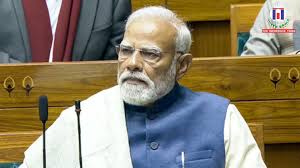
Prime Minister Narendra Modi recently chaired a high-level meeting to review India’s preparedness in dealing with potential energy challenges arising from ongoing global uncertainties. With geopolitical tensions, fluctuating crude oil prices, and increasing global demand for energy, the government is taking proactive steps to ensure that the country remains secure and self-reliant in its energy needs. The meeting brought together senior officials from key ministries, energy experts, and policy advisors to discuss both immediate concerns and long-term strategies.
Assessment of Current Energy Scenario
During the meeting, a detailed analysis of India’s existing energy situation was presented. Officials reviewed the current levels of fuel reserves, electricity generation capacity, and the country’s dependence on imports for crude oil and natural gas. India, being one of the fastest-growing economies, has a rapidly increasing demand for energy across industries, transportation, and households. The government carefully evaluated whether current resources and infrastructure are sufficient to meet this growing demand without disruption.
Strengthening Fuel Supply and Strategic Reserves
A major highlight of the discussion was the importance of maintaining adequate fuel reserves. The government is focusing on increasing strategic petroleum reserves to safeguard against sudden supply shocks. Diversifying import sources is another key strategy, ensuring that India is not overly dependent on a limited number of countries for its energy needs. By building strong partnerships with multiple energy-producing nations, India aims to secure a steady and reliable supply chain even during global crises.
Ensuring Reliable and Uninterrupted Power Supply
Prime Minister Narendra Modi emphasized that uninterrupted electricity supply is critical for the country’s economic growth and public welfare. The government is working towards strengthening power infrastructure, upgrading transmission networks, and minimizing power losses. Special focus is being given to rural electrification and ensuring that even remote areas have access to consistent and reliable electricity. Industries, healthcare facilities, and essential services depend heavily on stable power, making this a top priority.
Accelerating Renewable Energy Development
India is also accelerating its transition towards renewable energy sources such as solar, wind, and hydro power. The meeting highlighted the need to reduce dependence on fossil fuels and promote sustainable energy solutions. Investments in solar parks, wind farms, and green hydrogen projects are being encouraged. This shift not only enhances energy security but also helps India meet its climate goals and reduce environmental pollution.
Managing Price Stability and Consumer Impact
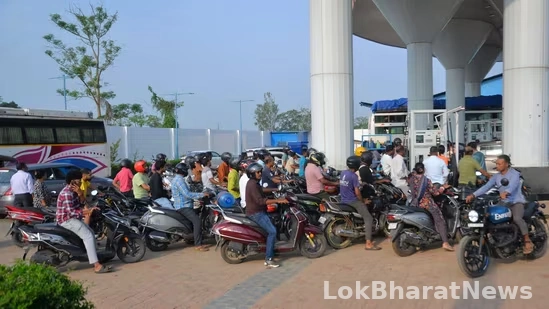
One of the key concerns discussed was the impact of global energy price fluctuations on Indian consumers. Rising fuel prices can directly affect transportation costs, inflation, and overall economic stability. The government is exploring various policy measures to control price volatility and protect citizens from sudden increases. These measures may include tax adjustments, subsidies, and strategic market interventions to maintain affordability.
Strategic Planning and Crisis Preparedness
The Prime Minister directed all concerned departments to adopt a forward-looking approach and be prepared for any potential crisis. This includes developing contingency plans, improving coordination between ministries, and ensuring quick decision-making during emergencies. Building a resilient energy framework that can withstand global shocks is a key objective of the government’s strategy.
Collaboration and Policy Implementation
The success of India’s energy preparedness depends on strong coordination between central and state governments, as well as collaboration with private sector players. Policies are being designed to encourage investment, innovation, and efficiency in the energy sector. The government is also promoting digital monitoring systems to track energy usage and improve overall management.