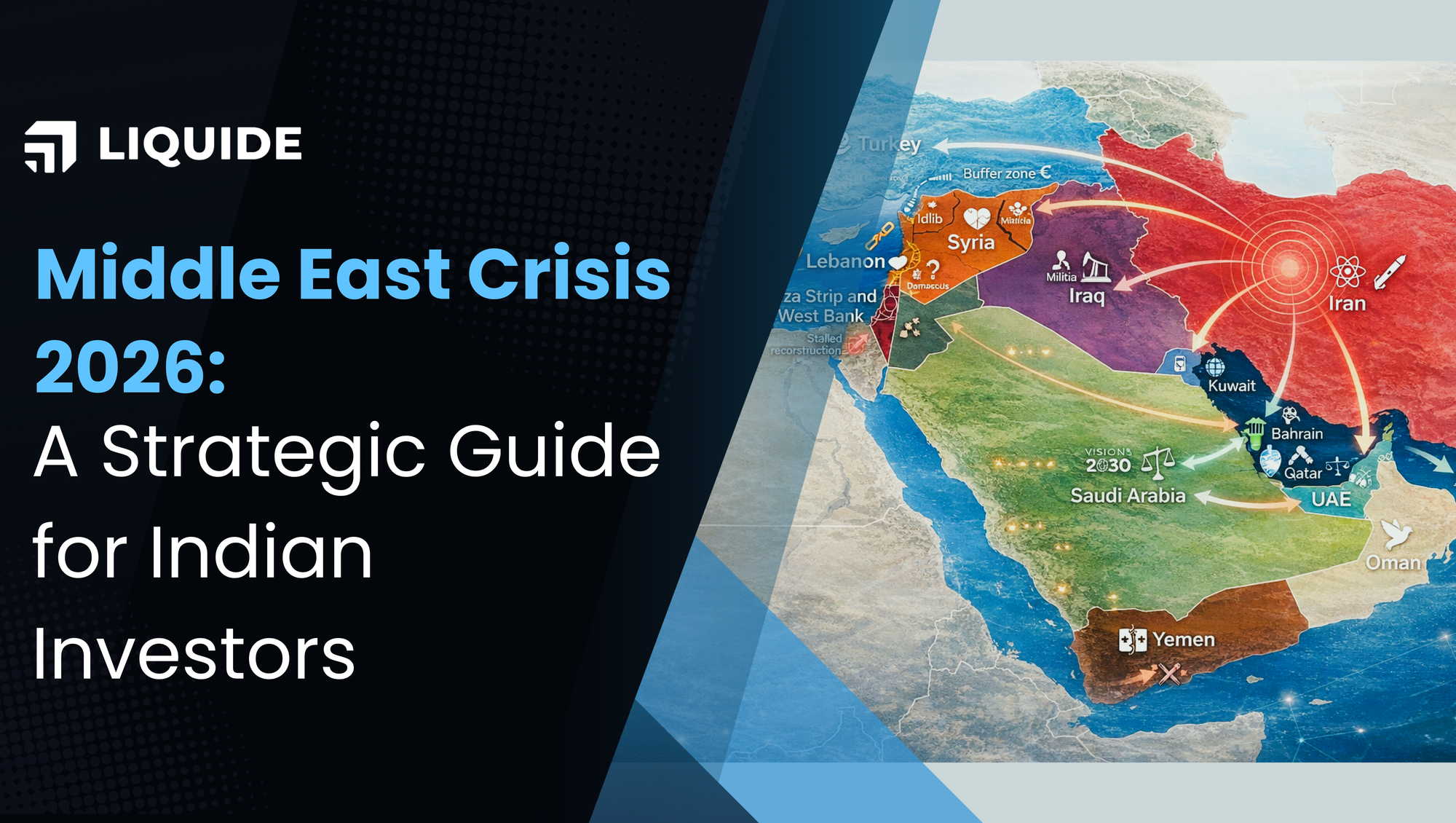
The current situation in the Middle East has developed into a major global issue, attracting attention from governments, businesses, and citizens across the world. This region has always been strategically important due to its vast energy resources and geopolitical position. Now, rising tensions have made it even more critical, as decisions taken here are influencing international relations and economic stability far beyond the region itself.
Countries are not only watching the situation but also adjusting their policies in response. The crisis is no longer limited to one or two nations—it has become a matter of worldwide concern, affecting both developed and developing economies.
Growing Military Pressure
Military activities have increased steadily, with advanced weapons, airstrikes, and drone operations playing a central role. These actions are targeting strategic points such as defense systems, supply routes, and key infrastructure. Each move by one side is quickly answered by the other, creating a continuous pattern of escalation.
This type of modern warfare is fast, precise, and highly impactful. Even a single strike can have wide consequences, making the situation more sensitive. Because both sides are showing strong capabilities, the chances of a quick resolution appear limited, and the risk of further escalation remains present.
Energy Supply and Economic Ripple Effects
One of the most noticeable impacts of this crisis is on global energy markets. The Middle East is a major supplier of oil, and any disruption creates immediate uncertainty. Concerns about supply routes have already influenced fuel prices, leading to fluctuations in international markets.
Higher fuel costs affect transportation, manufacturing, and daily life. Businesses may face increased expenses, while consumers could experience rising prices for essential goods. This chain reaction shows how a regional conflict can influence economies worldwide, highlighting the interconnected nature of today’s global system.
Trade and Supply Chain Challenges
International trade is closely linked to stability in key regions, and the current crisis is affecting that balance. Shipping routes are facing risks, and companies are becoming cautious about moving goods through sensitive areas. Delays in transportation can slow down production cycles and disrupt the availability of products.
Industries such as electronics, automobiles, and retail may feel the impact over time. Even small disruptions can create larger challenges when supply chains are interconnected across multiple countries. This situation demonstrates how global trade depends heavily on regional stability.
Travel and Connectivity Issues
Air travel has also been influenced by the ongoing tensions. Certain airspaces have become restricted, forcing airlines to take longer routes. This results in increased travel time, higher fuel usage, and possible delays for passengers.
For travelers, this means changes in schedules and potential inconvenience. For airlines, it leads to increased operational costs. Over time, such adjustments can affect the overall travel industry, especially if the situation continues for an extended period.
Diplomatic Efforts and Global Response
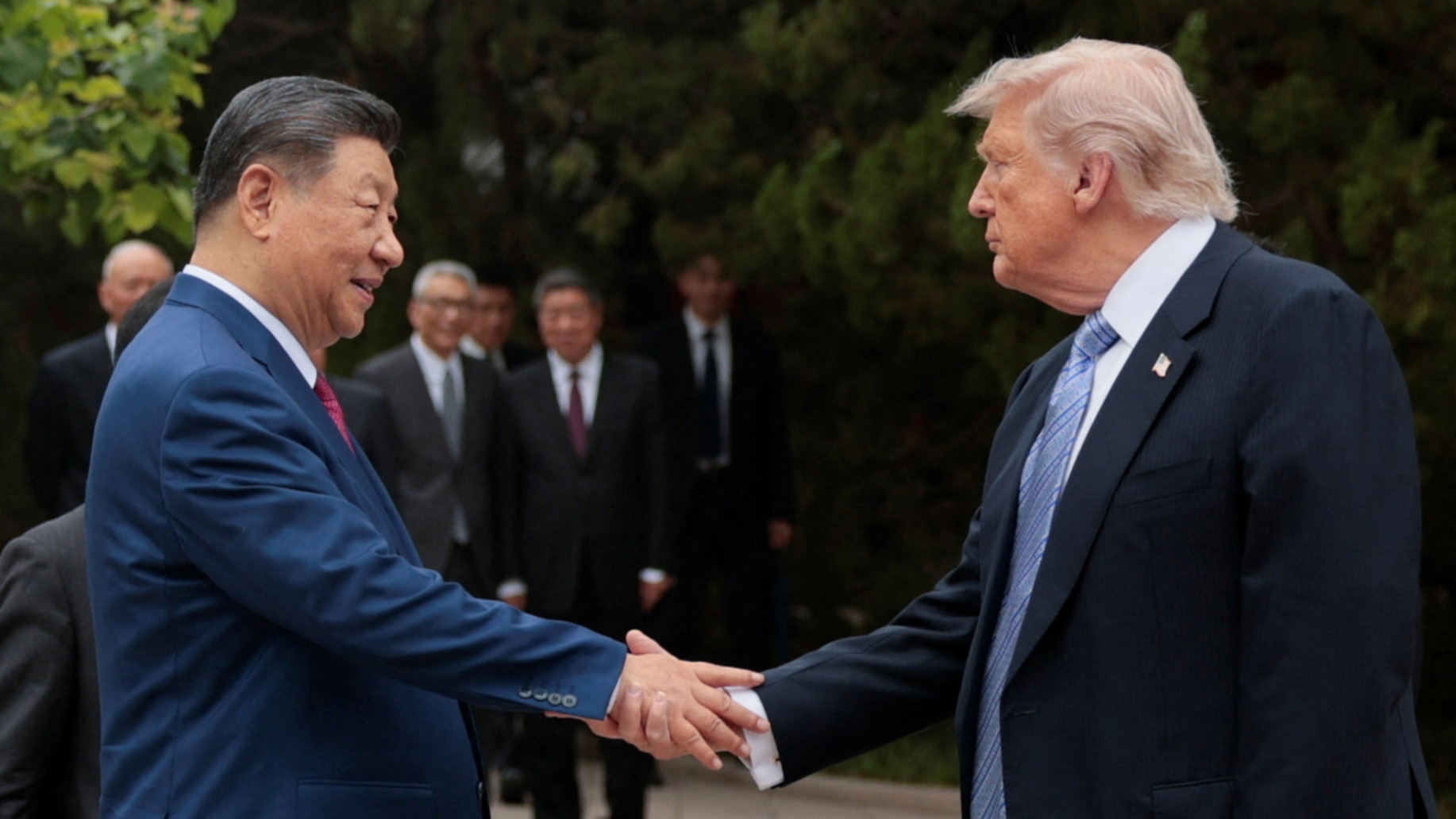
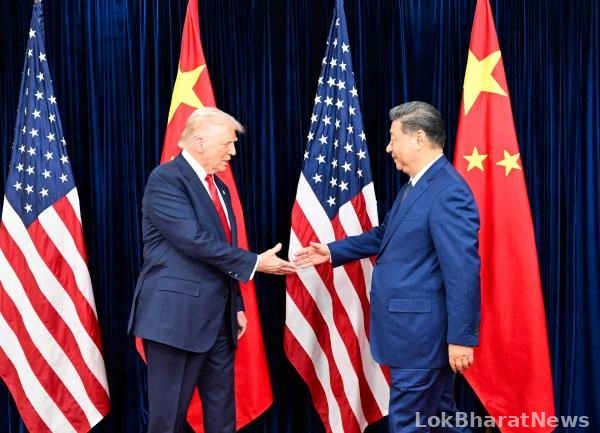
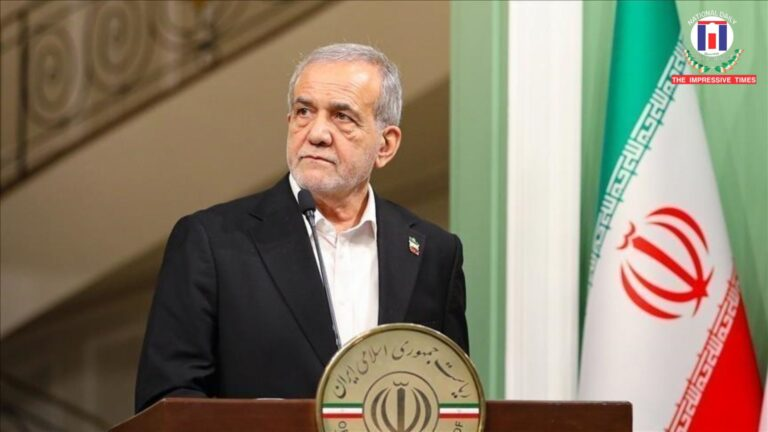
Diplomatic discussions are taking place, with several countries attempting to reduce tensions and encourage dialogue. However, achieving progress in such situations is often challenging. Differences in interests, lack of trust, and ongoing military actions make negotiations complex.
Some nations are calling for restraint, while others are focusing on protecting their strategic interests. International organizations are also involved, trying to create a platform for peaceful resolution. Despite these efforts, the path toward stability remains uncertain.
Humanitarian Situation
The human impact of the crisis is significant. People living in affected areas are facing uncertainty, safety concerns, and disruptions to daily life. Access to essential services like healthcare, food, and water can become difficult when infrastructure is damaged.
Relief efforts are ongoing, but they face challenges due to security risks and limited access. The longer the conflict continues, the more difficult it becomes to manage the humanitarian situation effectively.
Impact on India
Although India is not directly involved in the conflict, it is affected through economic and strategic channels. Rising oil prices can increase the cost of fuel, which influences transportation and everyday expenses. Import costs may also rise, affecting businesses and consumers.
The stock market may experience fluctuations due to global uncertainty. Additionally, industries connected to international trade could face challenges. These indirect effects show how global events can influence domestic conditions.
Future Outlook
The future of the Middle East crisis depends on how the situation evolves in the coming weeks. It could move toward de-escalation if diplomatic efforts succeed, or it may intensify if tensions continue to rise. Global leaders are closely monitoring developments, as any major shift could have widespread consequences.
The outcome of this crisis will likely influence global policies, economic strategies, and international relations for years to come.