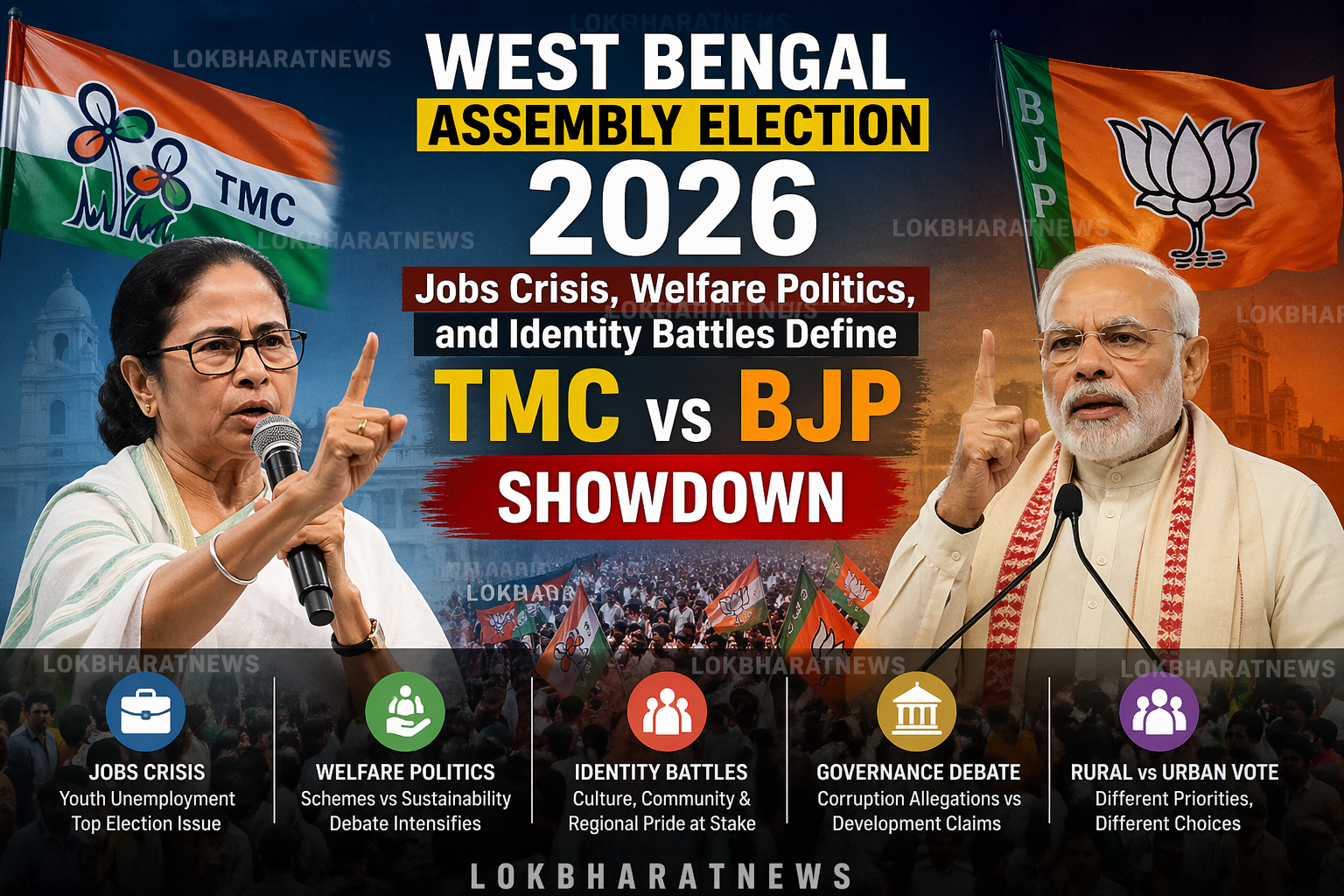
West Bengal Assembly Election 2026: Jobs Crisis, Welfare Politics, and Identity Battles Define TMC vs BJP Showdown
A High-Stakes Political Battle in West Bengal
The West Bengal Assembly Election 2026 is shaping up to be one of the most intense political contests in recent years. The ruling All India Trinamool Congress (TMC), led by Chief Minister Mamata Banerjee, faces a strong challenge from the Bharatiya Janata Party (BJP). With national attention focused on the state, the election has evolved into a broader ideological and governance battle.
Jobs Distress Emerges as a Central Concern
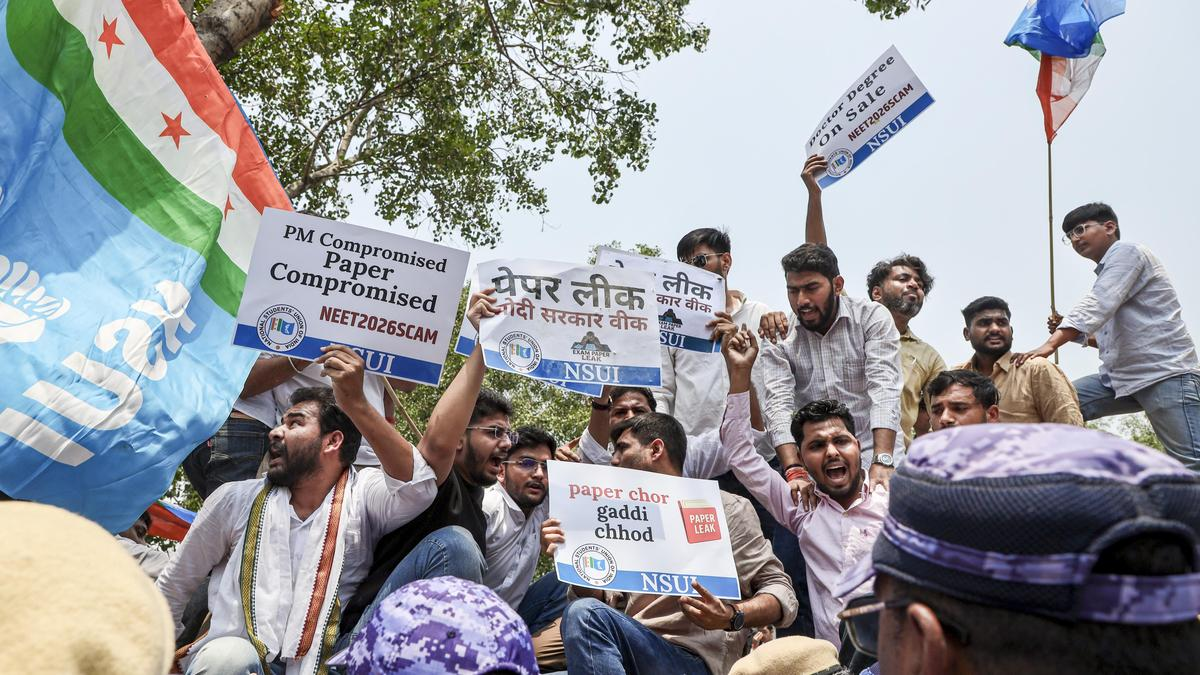
Unemployment and job scarcity have become dominant issues in the election narrative. Many young voters across urban and rural areas are expressing frustration over limited employment opportunities. Allegations related to recruitment irregularities in state-run institutions have further intensified public anger. The opposition BJP has capitalized on this issue, promising transparency and large-scale job creation, while the TMC has defended its record, highlighting investments and skill-development initiatives.
Welfare Politics Takes Center Stage
Welfare schemes remain a strong pillar of TMC’s electoral strategy. Popular initiatives such as Lakshmir Bhandar, Swasthya Sathi, and student credit programs have significantly influenced voter sentiment, especially among women and economically weaker sections. Mamata Banerjee has positioned these schemes as essential support systems for marginalized communities.
On the other hand, the BJP has questioned the sustainability of these programs, arguing that long-term economic growth and job creation should take precedence over direct cash transfers and subsidies.
Identity and Cultural Narratives Intensify
Identity politics is playing a crucial role in shaping the election discourse. The BJP has focused on themes of nationalism, citizenship, and cultural identity, appealing to specific voter groups. Meanwhile, the TMC has emphasized regional pride, linguistic identity, and social harmony, projecting itself as the protector of Bengal’s cultural heritage.
Issues related to religion, caste, and community representation have further deepened political polarization, making identity a key battleground in the campaign.
Governance vs Allegations of Corruption
The election has also been influenced by debates around governance and corruption. The BJP has raised allegations against the TMC government over financial irregularities and administrative lapses. In response, the TMC has accused the central government of political vendetta and misuse of investigative agencies.
This back-and-forth has added another layer of complexity, with voters weighing development claims against allegations of misconduct.
Rural vs Urban Voter Dynamics
Rural voters, particularly beneficiaries of welfare schemes, continue to be a strong support base for the TMC. In contrast, urban areas, especially among the middle class and youth, show signs of shifting political preferences due to employment concerns and governance issues. This rural-urban divide could play a decisive role in determining the final outcome.
Role of National Leadership and Campaign Strategy
Top leaders from both parties are actively campaigning in the state. Mamata Banerjee continues to rely on her grassroots connect and regional appeal, while the BJP is leveraging national leadership and organizational strength. High-voltage rallies, social media campaigns, and targeted outreach programs have intensified the political atmosphere.
What Is at Stake in 2026
The outcome of the 2026 election will have implications beyond West Bengal. For the TMC, it is a test of its continued dominance and governance model. For the BJP, it represents an opportunity to expand its footprint in eastern India and challenge a powerful regional force.
Conclusion
The West Bengal Assembly Election 2026 is not just a state-level contest but a defining political moment shaped by unemployment concerns, welfare-driven governance, and identity politics. As voters prepare to cast their ballots, the balance between economic aspirations and social support systems will likely determine the direction of the state’s political future.