US-Iran Ceasefire Live Updates: Rising Tensions Push Fragile Truce to the Edge
A Ceasefire Under Severe Pressure
The ceasefire between the United States and Iran is facing its most serious test yet. What was once seen as a temporary pause in hostilities is now rapidly unraveling under the weight of fresh attacks and military responses. Both sides are exchanging fire again, raising fears that the fragile agreement could collapse completely.
The truce had offered a brief sense of stability in a region long affected by conflict. However, recent developments show that the underlying tensions were never fully resolved. The return of violence has brought uncertainty back to the Middle East, leaving the world closely watching every move.
Renewed Military Confrontations
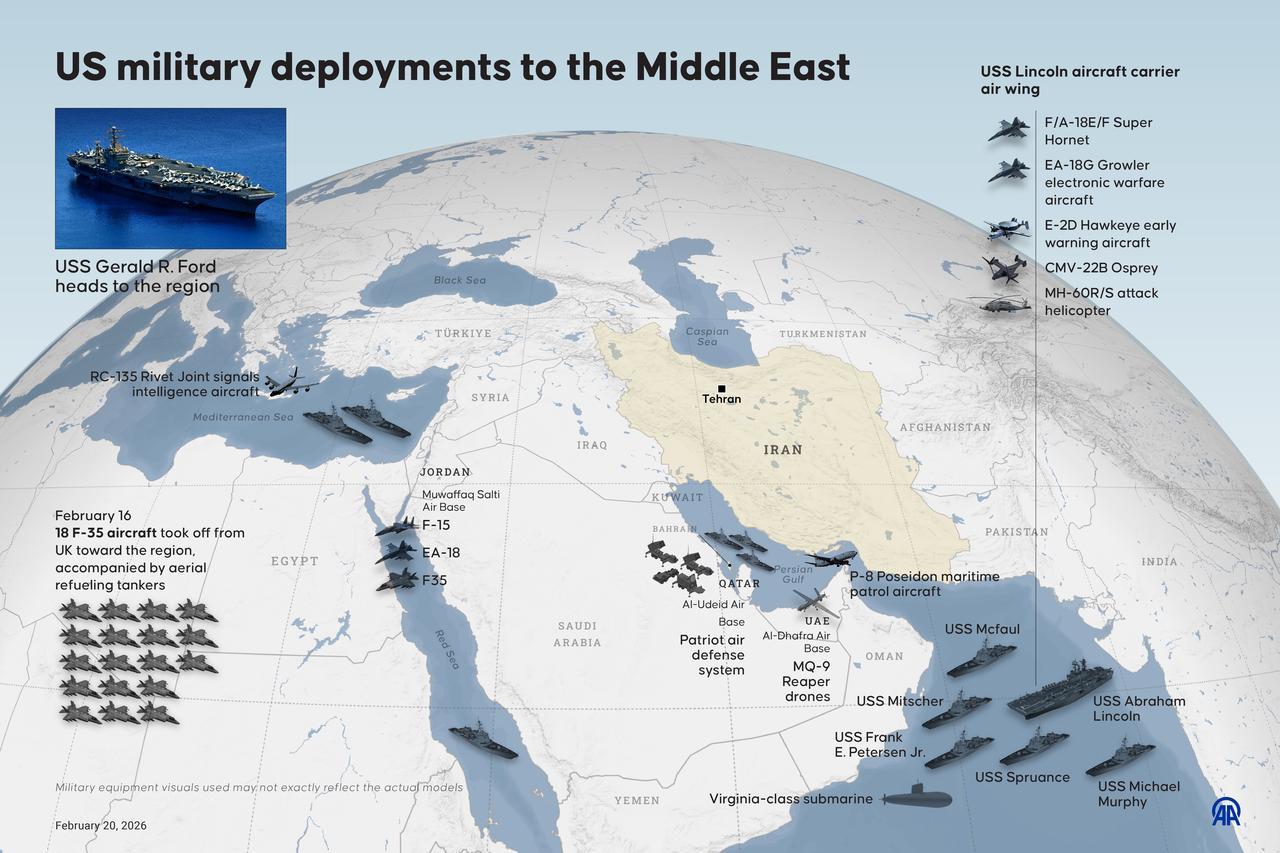
In the past few hours, reports of direct confrontations between US and Iranian forces have emerged. These encounters include missile exchanges, drone activity, and naval movements in sensitive areas. Each new incident is adding to the pressure on the already weakened ceasefire.
Military officials have indicated that defensive and retaliatory actions are being taken. However, these responses are also increasing the risk of further escalation. The situation is becoming more unpredictable, with both nations appearing ready to defend their interests at any cost.
UAE Reports Fresh Attacks
The United Arab Emirates has reported multiple missile and drone attacks, marking a dangerous expansion of the conflict. These incidents have caused damage to key infrastructure and raised alarms across the region.
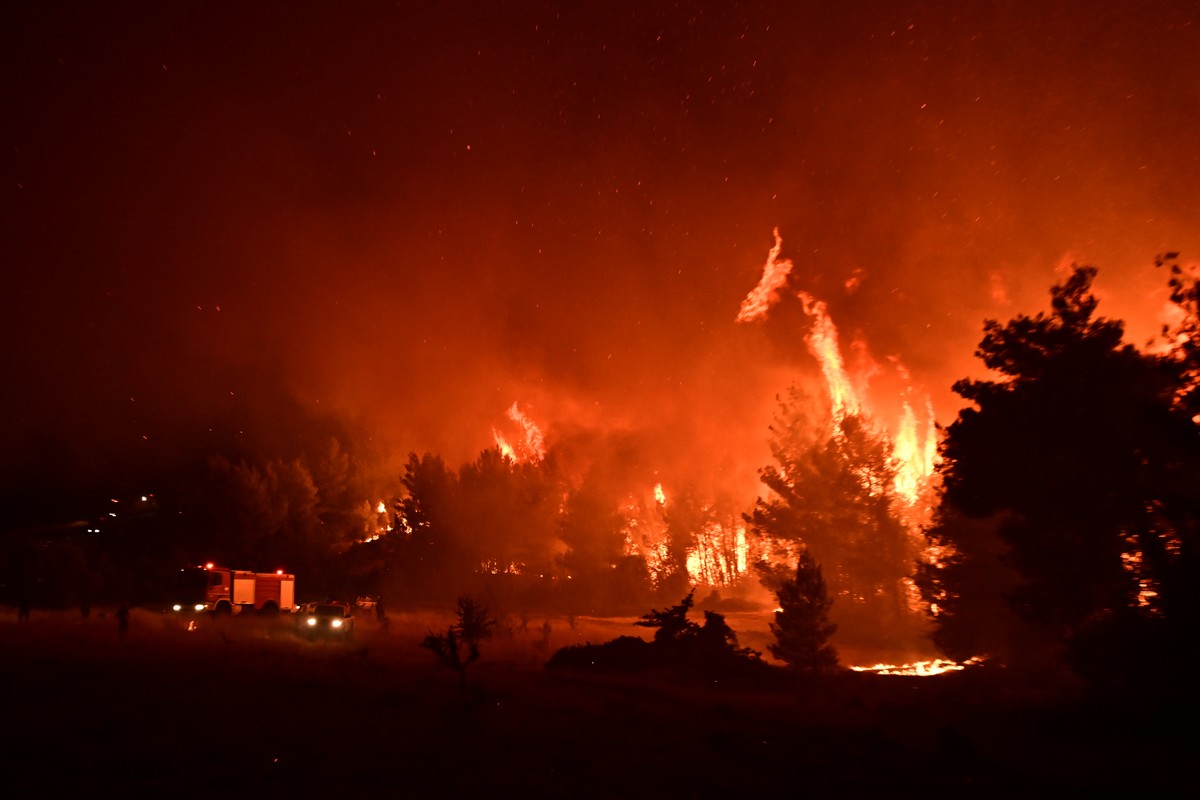
Air defense systems were activated to intercept incoming threats, but some attacks still caused significant impact. Fires were reported at critical facilities, and emergency services were quickly deployed to control the situation. These attacks have heightened concerns about the safety of civilians and strategic assets.
Threat to Global Energy Supply
The recent attacks have targeted areas that are vital to global energy production and supply. Any disruption in these regions can have far-reaching consequences beyond the Middle East. Oil markets are already reacting to the uncertainty, with fears of supply shortages and price fluctuations.
The Strait of Hormuz remains a key concern, as it is one of the most important routes for oil transportation. Increased military activity in this area is making shipping operations more risky. Companies are reconsidering routes, and some have already delayed or redirected shipments.
Strategic Importance of the Region
The ongoing tensions highlight the strategic importance of the Gulf region. Control over critical waterways and energy infrastructure plays a major role in global economics and geopolitics. Both the United States and Iran have strong interests in maintaining influence in this area.
This struggle for control is one of the main reasons why the ceasefire is so fragile. Without addressing these deeper issues, any agreement is likely to remain temporary and unstable.
Escalating Political Rhetoric
Alongside military actions, political statements from both sides have become increasingly aggressive. Leaders are issuing warnings and reinforcing their positions, making diplomatic resolution more challenging.
The strong language being used is not only aimed at each other but also at regional allies and the international community. This has created an environment where compromise is becoming harder to achieve.
Impact on Civilians and Daily Life
The renewed conflict is not just a military issue; it is also affecting civilians across the region. People living near targeted areas are facing fear, uncertainty, and disruption to their daily lives.
Emergency services are on high alert, and governments are advising caution. The psychological impact of ongoing tensions is significant, as communities remain unsure about what might happen next.
Global Reactions and Concerns
Countries around the world are closely monitoring the situation. Many have called for restraint and urged both sides to return to diplomatic talks. The risk of a larger conflict involving multiple nations is a major concern.
International organizations are also emphasizing the need for stability, especially given the potential impact on global trade and energy supplies. The situation is being viewed as a critical moment for regional and international security.
What Lies Ahead
The future of the ceasefire remains uncertain. If the current pattern of attacks continues, the agreement may collapse entirely. On the other hand, there is still a possibility for renewed negotiations if both sides choose to step back.
The coming days will be crucial in determining the direction of this conflict. Whether it leads to escalation or de-escalation will depend on decisions made at both military and political levels.
Conclusion: A Region at a Crossroads
The US-Iran ceasefire is hanging by a thread as new attacks and rising tensions threaten to undo the progress made. The involvement of the UAE and the targeting of critical infrastructure have added new layers of complexity to the situation.
This is a defining moment for the region. The choices made now will shape the future of peace and stability in the Middle East. Without immediate efforts to reduce tensions, the risk of a larger and more destructive conflict remains very real.