


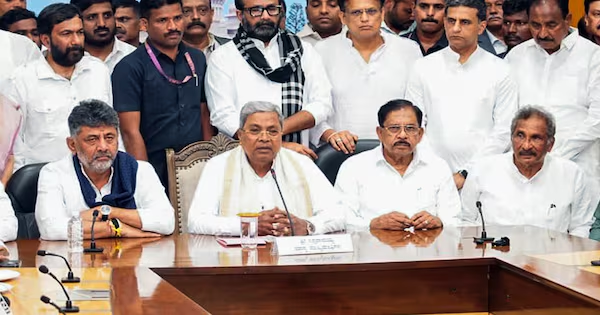
The Siddaramaiah exit from Karnataka’s top post marks more than a leadership change. It raises fresh questions about the future of his social justice agenda and the fragile power balance within the Congress. The transition hands power to D. K. Shivakumar after months of speculation over the party’s leadership arrangement.
For years, Siddaramaiah built his political identity around welfare measures and the AHINDA coalition, a social bloc that includes minorities, backward classes, and Dalits. Many Congress leaders view that support base as a major reason behind the party’s success in Karnataka.
What Happens to Siddaramaiah’s Social Justice Agenda?
One of the biggest questions after the Siddaramaiah exit is whether Congress will continue the same political and welfare focus. His government strongly promoted welfare guarantees and social justice policies aimed at expanding support among marginalized communities.
Reports suggest the new leadership may retain representation for backward classes, Scheduled Castes, Scheduled Tribes, and minority communities within the government structure. That could help Congress maintain continuity and protect its social coalition.
However, political observers believe the party may also adjust priorities as Shivakumar takes charge. His leadership style is often viewed as more organizational and election-focused.
Also Read : Twisha Death Case:CBI Got Five-Day Custody Of Husband, Mother-In-Law
Congress Power Truce Faces New Challenge
The leadership transition also tests the Congress power-sharing formula. Since the party returned to power in 2023, speculation over a rotational chief minister arrangement has remained a recurring issue.
Although the transition appears orderly, Siddaramaiah has made it clear that he is not leaving Karnataka politics. He rejected a Rajya Sabha move and said he intends to remain active in the state. That means his political influence will likely continue even after leaving office.
Many of his loyalists still hold influence within the legislature and party organization. As a result, Congress will need to carefully manage relations between both camps to avoid future tensions.
What Comes Next for Karnataka Congress?
The coming months will show whether the transition strengthens Congress or creates new internal challenges. Shivakumar now faces the task of maintaining party unity while preparing for future elections.
At the same time, Siddaramaiah remains a major political figure with a strong support base. His continued presence ensures that Karnataka Congress politics will remain closely watched even after the leadership handover.

Should you’re investigating different trading solutions, it’s valuable checking out this broker and its variants like iq_brokers or iq broker to discover which one meets your needs well. Several individuals note that checking iqbrokervip features provides some bonus options suitable for reviewing.
People can read comprehensive insights and user experiences on iq_brokers where the forum reviews all topics from iqbrokers to iq broker tools investment reviews. It’s typically smart to accumulate as extensive insight as practical before reaching your selection.