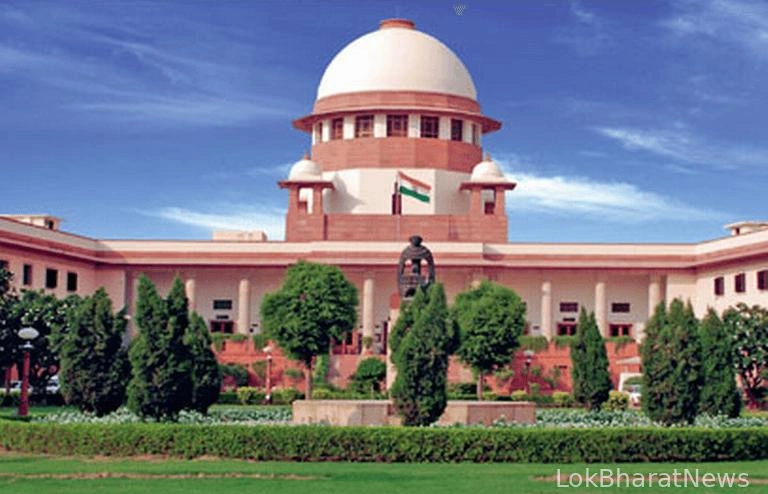
The Supreme Court observed that governments need proper social data to design effective welfare policies for backward communities and disadvantaged groups.
The bench said identifying socially and economically weaker sections helps authorities understand which communities require support, reservation benefits and targeted welfare schemes.
The remarks come at a time when the debate around caste census and reservation policies has intensified across the country.
Also Read: Amitabh Bachchan Not Hospitalised, Routine Check-Up Triggered Rumours
Political Debate Over Caste Census Continues
The issue of caste census has remained a major political topic in recent years, especially before key elections.
Several opposition parties have pushed for a nationwide caste census, arguing that updated social data is necessary for fair distribution of welfare schemes and reservation benefits.
The Centre has earlier stated that decisions related to caste-based surveys involve administrative, legal and policy considerations.
Why Supreme Court’s Remarks Matter
Legal experts believe the court’s observations could influence future discussions on social justice, reservation policies and welfare planning.
Supporters of caste census argue that accurate data can help governments frame better policies for underprivileged communities and improve resource allocation.
However, critics believe caste-based enumeration may deepen political and social divisions in the country.
The Supreme Court’s latest remarks have once again brought the caste census debate into national focus. With political parties continuing to raise the issue, discussions around social data and welfare policies are expected to remain significant in the coming months.