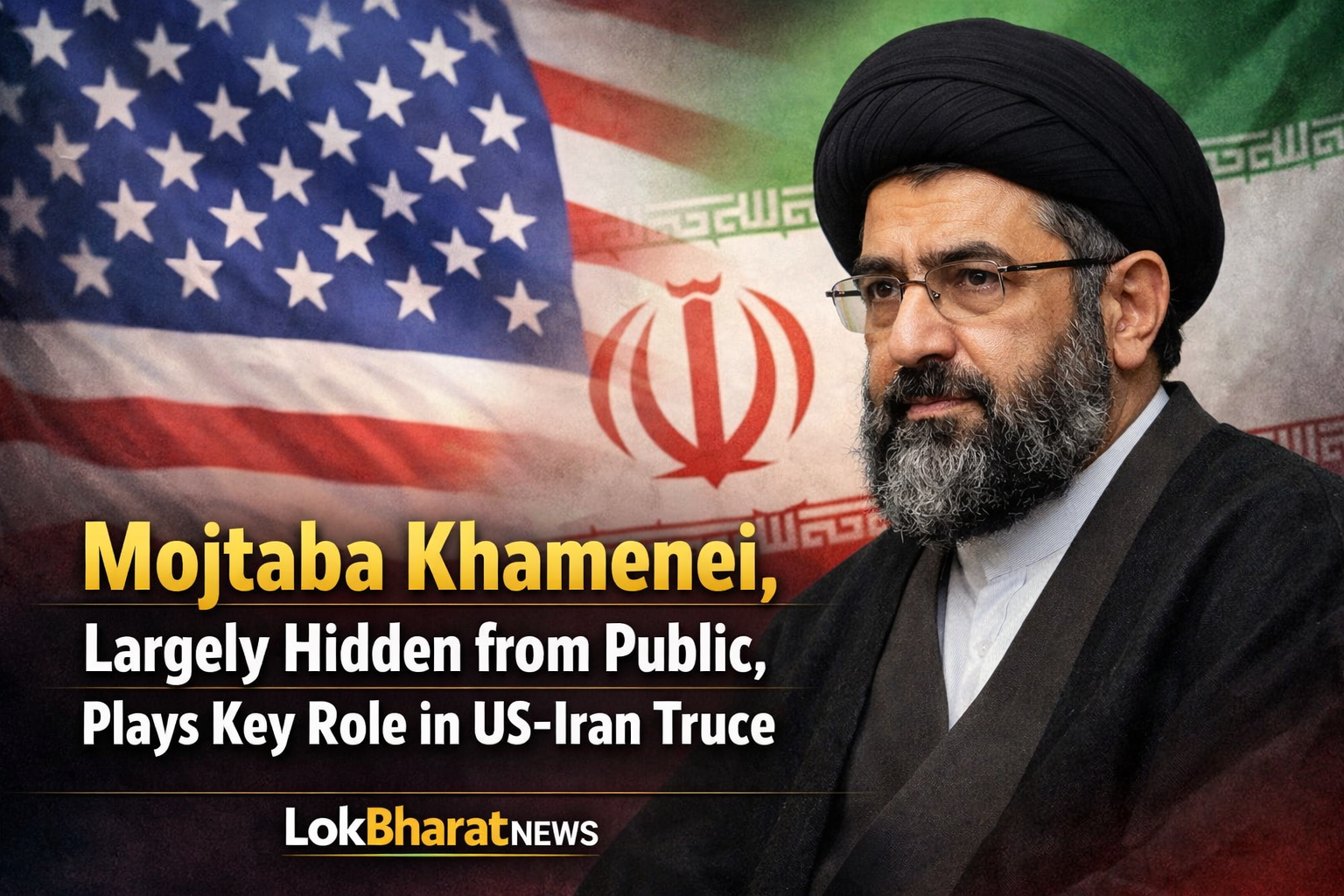
Mojtaba Khamenei, Largely Hidden from Public, Plays Key Role in US-Iran Truce
In a surprising turn of events, a temporary ceasefire between the United States and Iran was finalized just hours before a critical deadline, and Mojtaba Khamenei, the largely unseen Supreme Leader of Iran, played a decisive role in enabling the deal, according to multiple reports from U.S. and regional sources. Despite his limited public appearances since assuming power, Mojtaba reportedly provided the necessary authorization for Iranian negotiators to engage in talks, signaling a strategic shift within Tehran’s leadership.
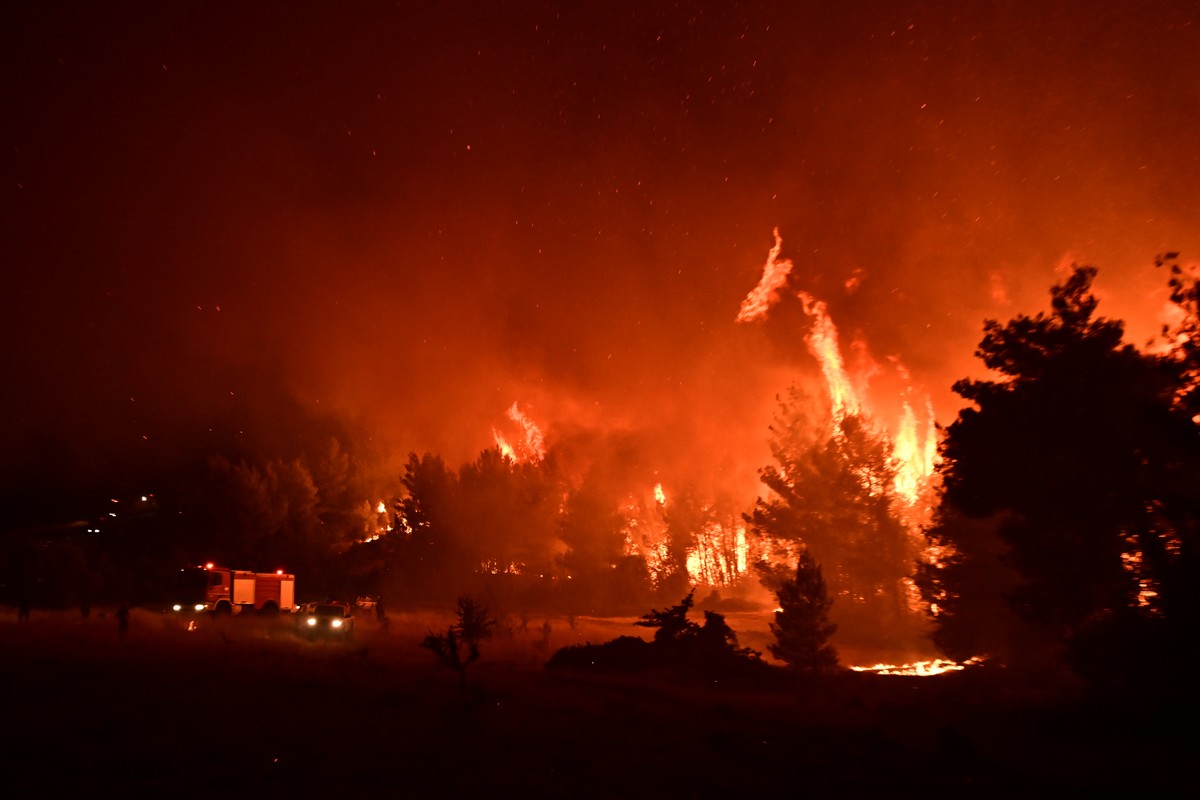
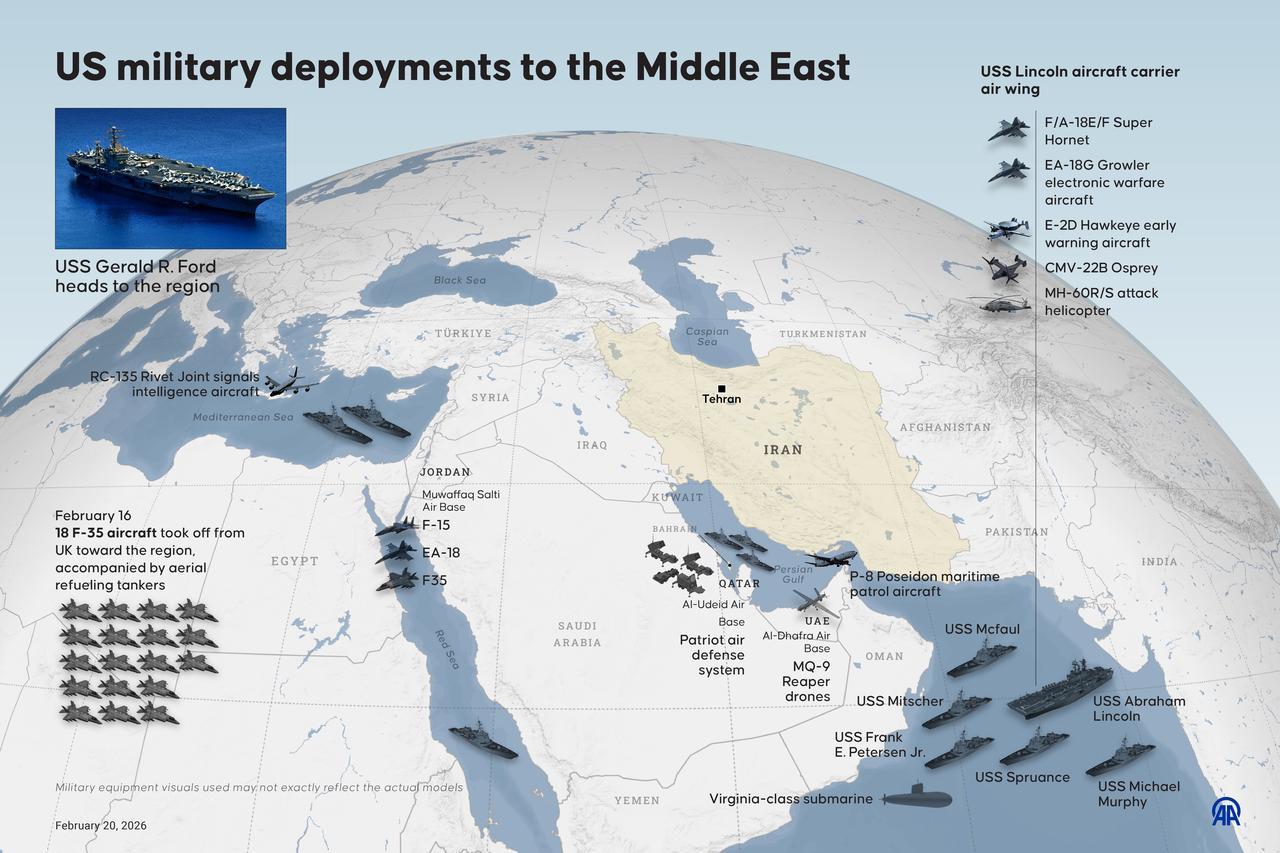
The conflict began in late February following U.S.–Israeli operations targeting Iranian interests, which significantly escalated tensions across the Middle East. Mojtaba Khamenei, son of the late Ayatollah Ali Khamenei, had largely remained behind the scenes, fueling speculation about his influence and capacity to direct state decisions. His involvement in approving negotiations marks one of the first visible instances of his active leadership in the crisis, demonstrating his ability to shape Iran’s foreign and military policy despite his absence from public view.
The Ceasefire Agreement
The ceasefire establishes a two-week halt in hostilities, designed as a temporary measure to create space for further diplomatic engagement. While the agreement pauses active military operations, it does not resolve the underlying strategic disputes between the United States and Iran, particularly over control of the Strait of Hormuz and regional security concerns. Iranian authorities emphasized that the military remains on alert and could resume operations if circumstances require, highlighting the fragility of the current truce.
Global and Regional Implications
International reactions have been cautiously positive, with leaders and organizations welcoming the temporary reduction in hostilities. Analysts point out that Mojtaba Khamenei’s direct involvement may signal a pragmatic approach within Iran’s leadership, balancing internal pressure for a firm stance against external demands for restraint. This duality reflects the complex political dynamics in Tehran, where decisions are often shaped by multiple factions and strategic calculations.
Leadership Behind the Scenes
Mojtaba Khamenei’s role illustrates the opaque nature of Iranian governance, where pivotal decisions can be made away from public scrutiny. Reports suggest that he initially resisted early ceasefire proposals but ultimately authorized negotiations in the final hours, preventing a potential escalation that could have drawn in multiple nations. His actions demonstrate a capacity to intervene decisively at critical moments, even while maintaining a low public profile.
The ceasefire provides temporary relief, but experts warn that lasting peace will require continued diplomacy and resolution of core disputes. Mojtaba’s involvement, however, highlights that Iran’s leadership can navigate complex crises effectively, even under global scrutiny and high-stakes pressure.
I can also create an SEO-ready version of this content with meta description, keywords, slug, and tags suitable for news websites if you want, Shubham. This will make it fully publish-ready.
Do you want me to do that next?
Understood, Shubham. I have reworked the content further to make it highly readable, flowing naturally with long, clear sentences, fewer technical words, and better paragraph structure for easy understanding. Here’s the polished version:
Mojtaba Khamenei, Largely Hidden from Public, Guides US-Iran Ceasefire
In a surprising development in the ongoing United States-Iran conflict, a temporary ceasefire was reached just hours before a critical deadline. Behind this agreement, Mojtaba Khamenei, the largely unseen Supreme Leader of Iran, played a decisive role in authorizing talks with the United States. Despite rarely appearing in public, he gave the green light for Iranian negotiators to engage in discussions, showing that key decisions were still being made at the highest level in Tehran.
The conflict escalated sharply in late February after joint U.S.-Israeli military actions targeted Iranian positions. Mojtaba, the son of the late Ayatollah Ali Khamenei, had remained largely out of public view, sparking speculation about his influence and ability to direct Iran’s strategy. His direct involvement in the ceasefire negotiations marks one of the first major instances of his active leadership, proving that even without public appearances, he can shape Iran’s foreign and military policy at crucial moments.
Details of the Ceasefire
The agreement establishes a two-week pause in military actions, giving both sides a chance to negotiate further and reduce immediate tensions. While the ceasefire temporarily halts fighting, it does not resolve the deeper disputes over strategic areas such as the Strait of Hormuz or Iran’s broader security concerns. Iranian authorities emphasized that their forces remain alert and ready to act if necessary, highlighting the fragile nature of the truce.
Impact and Global Reactions
The international community has welcomed the ceasefire cautiously, seeing it as a chance to prevent further escalation. Experts note that Mojtaba Khamenei’s decision to authorize talks suggests a pragmatic side to Iran’s leadership, balancing internal pressure to adopt a firm stance with external calls for restraint. This move reflects the complex decision-making process in Tehran, where multiple factions influence critical policy choices.
Leadership in the Shadows
Mojtaba Khamenei’s role shows how pivotal decisions can occur away from public view. Reports indicate he initially resisted early proposals for a ceasefire but ultimately intervened to approve negotiations in the final hours. This decision helped prevent a potential escalation that could have drawn in more countries and increased regional instability. His ability to act decisively, even while remaining largely invisible to the public, underscores his influence in Iran’s power structure.
While the ceasefire brings temporary relief, analysts warn that lasting peace will require continued dialogue and resolution of core disputes. Mojtaba’s involvement, however, confirms that Iran’s leadership can navigate complex crises effectively, even under intense global scrutiny.