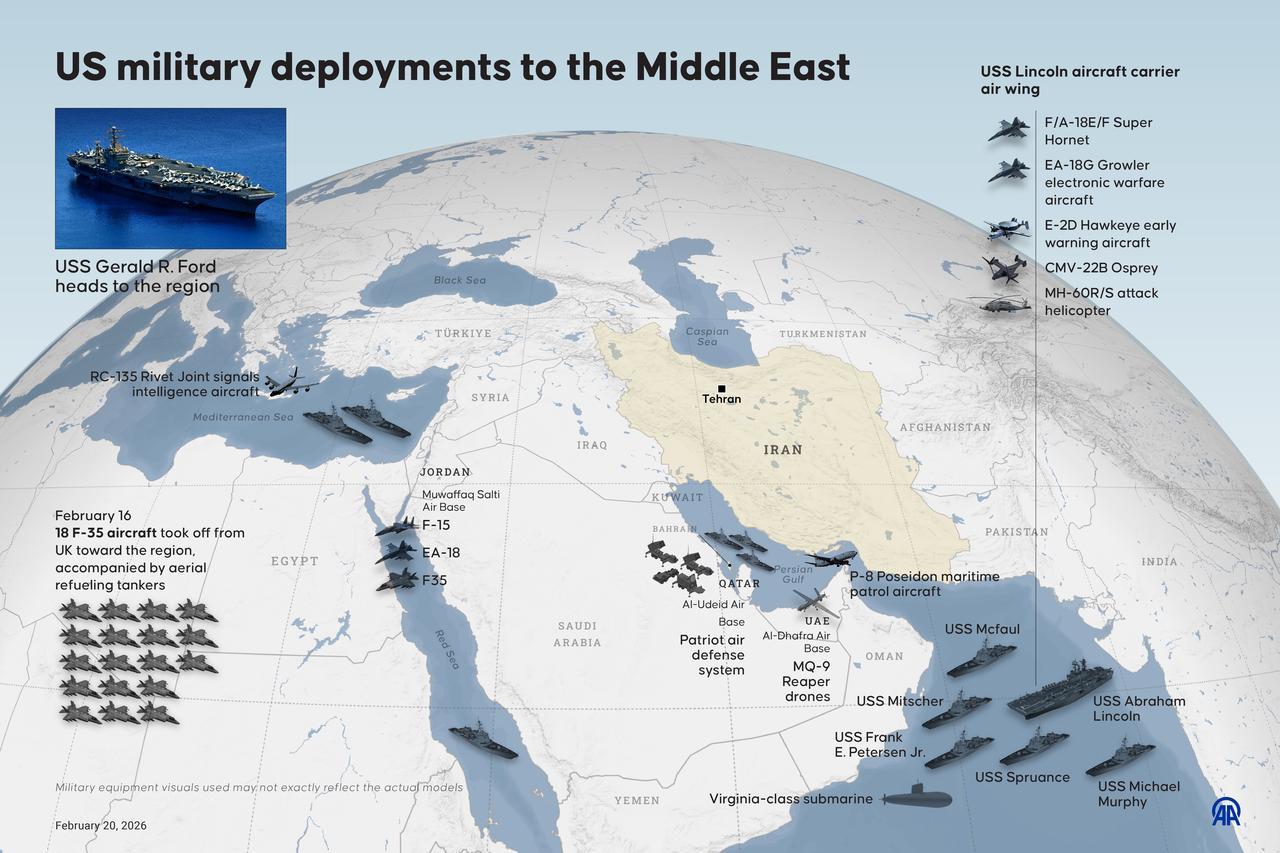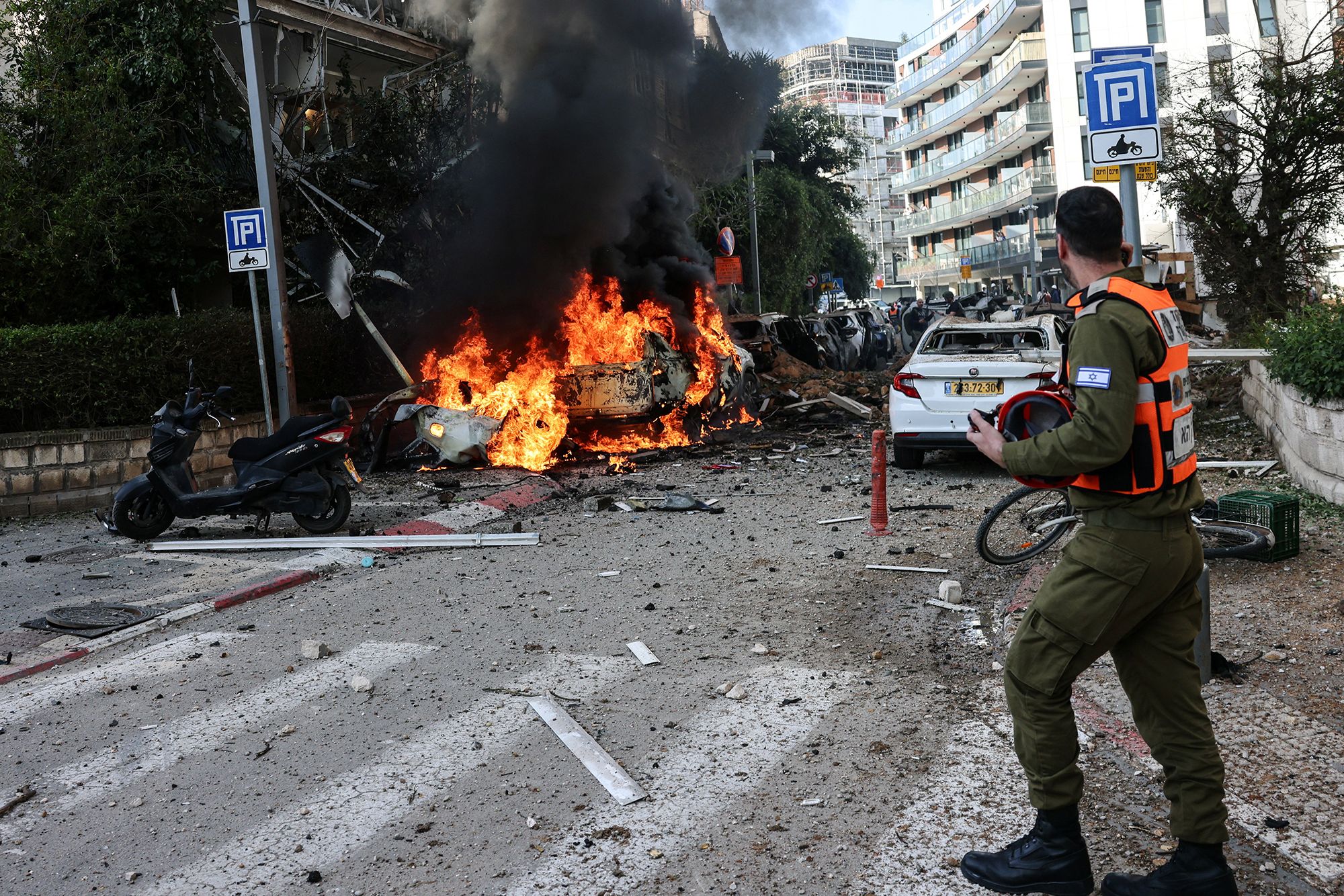
The Middle East conflict involving the United States, Israel, and Iran continues to dominate global headlines. After over three months of military engagement, recent statements from U.S. officials suggest that the war may be approaching its conclusion.
While hostilities remain active on the ground, political maneuvers and diplomatic signaling indicate a potential shift towards resolution, creating cautious optimism worldwide.
Ongoing Ground Operations
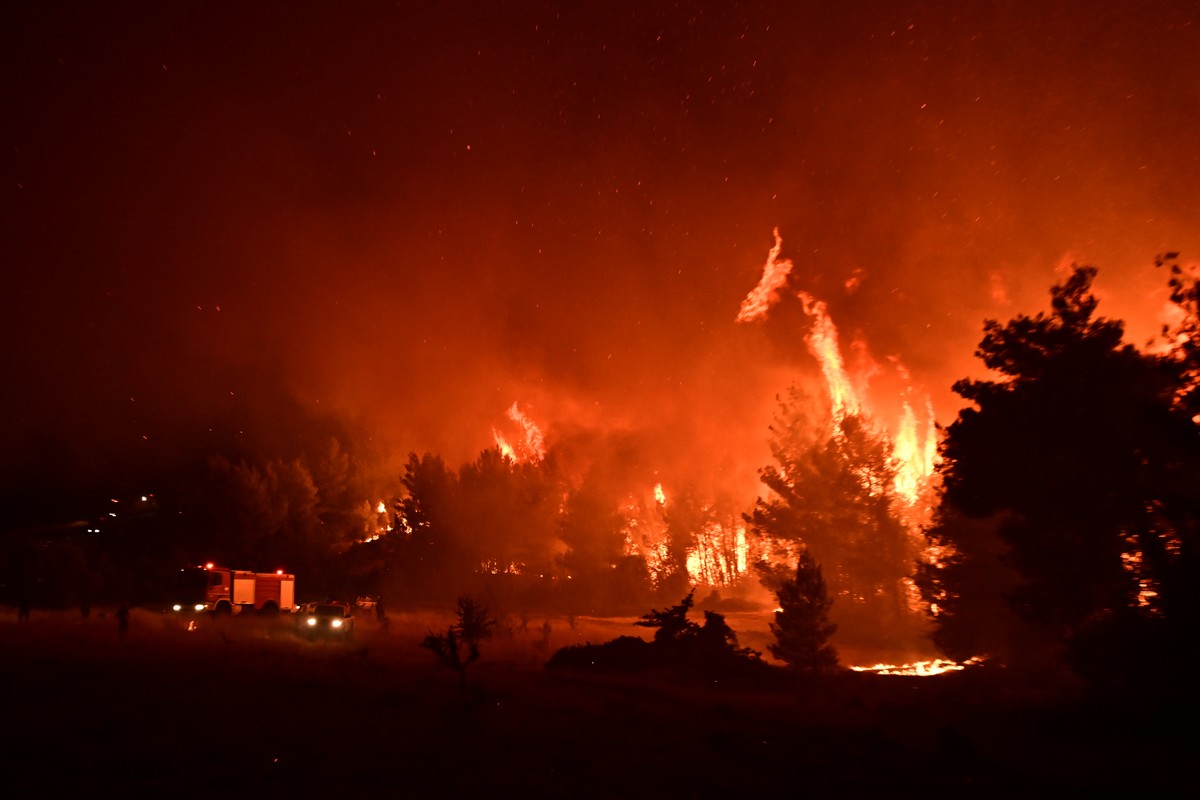
Despite talks of a possible end, the war on the ground remains intense. Reports highlight missile strikes, air raids, and localized skirmishes. Civilians continue to face direct and indirect impacts, with recent incidents including an 11-year-old girl injured by a cluster bomb in central Israel.
These ongoing attacks underscore the human cost of the conflict, showing that while diplomatic efforts may be underway, the reality of warfare is far from over.
Statements from U.S. Officials
Top U.S. leaders have recently provided optimistic signals regarding the conflict:
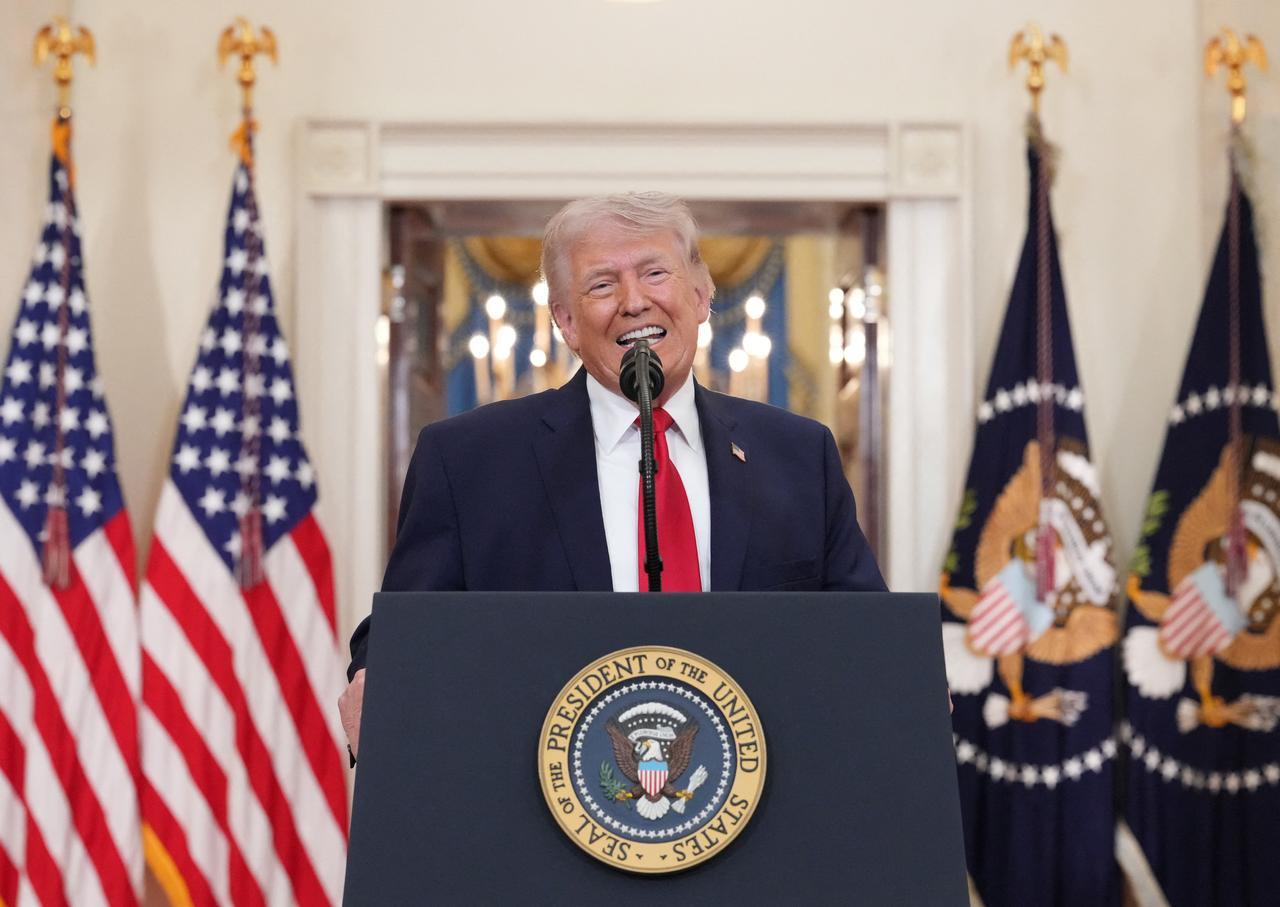
- President Donald Trump indicated that U.S. forces might reduce their military presence within weeks, emphasizing the goal of ending the conflict without prolonged engagement.
- Senator Marco Rubio echoed these statements, suggesting that the United States can see a potential finish line in the war.
- A major national address by the U.S. President is scheduled, expected to clarify the timeline for troop withdrawal and diplomatic strategy.
These developments mark a shift from earlier approaches focused on extended military campaigns to a more time-bound, strategic resolution.
Global Implications
The conflict has far-reaching geopolitical and economic consequences:
- Energy markets and oil supply routes are under close watch due to regional instability.
- International relations are being tested as global powers evaluate potential interventions and ceasefire negotiations.
- Humanitarian organizations continue to emphasize the need for civilian protection and aid, given the continued displacement and casualties.
Countries around the world are monitoring the situation carefully, balancing diplomatic efforts with strategic interests in the region.
Media and Public Awareness Challenges
The timing of this ongoing war coincides with April Fools’ Day, which has caused confusion in news reporting. Satirical posts, misleading headlines, and viral misinformation often appear alongside verified updates.
Experts urge audiences to rely on credible sources and cross-check information before drawing conclusions about troop movements, ceasefire developments, or casualty reports.Humanitarian Concerns
Civilians remain the most affected by this conflict. Families are facing displacement, injuries, and loss of property, while medical facilities are under strain. The international community continues to press for immediate humanitarian relief, emphasizing the protection of non-combatants and access to essential resources.
Potential Resolution and Outlook
Statements from U.S. leaders suggest that the war could end within a few weeks, even if a formal peace treaty has not been signed. Observers expect the following developments:
- Gradual reduction in active military operations.
- Intensified diplomatic discussions between key international players.
- Monitoring of civilian safety and humanitarian assistance by global organizations.
While optimism grows for a near-term resolution, uncertainty remains. Analysts stress that any sudden escalation could reverse gains and prolong the crisis.
The Middle East conflict involving Iran, the U.S., and Israel continues to shape global security dynamics, but recent statements suggest that an end to hostilities may be within reach. Civilians remain vulnerable, and international attention is critical in ensuring that diplomatic measures lead to lasting peace.
This war has not only caused human suffering and geopolitical tension, but also demonstrated the importance of strategic diplomacy, timely interventions, and global cooperation. The coming weeks will be decisive in determining whether the region moves toward stability or experiences further escalation.