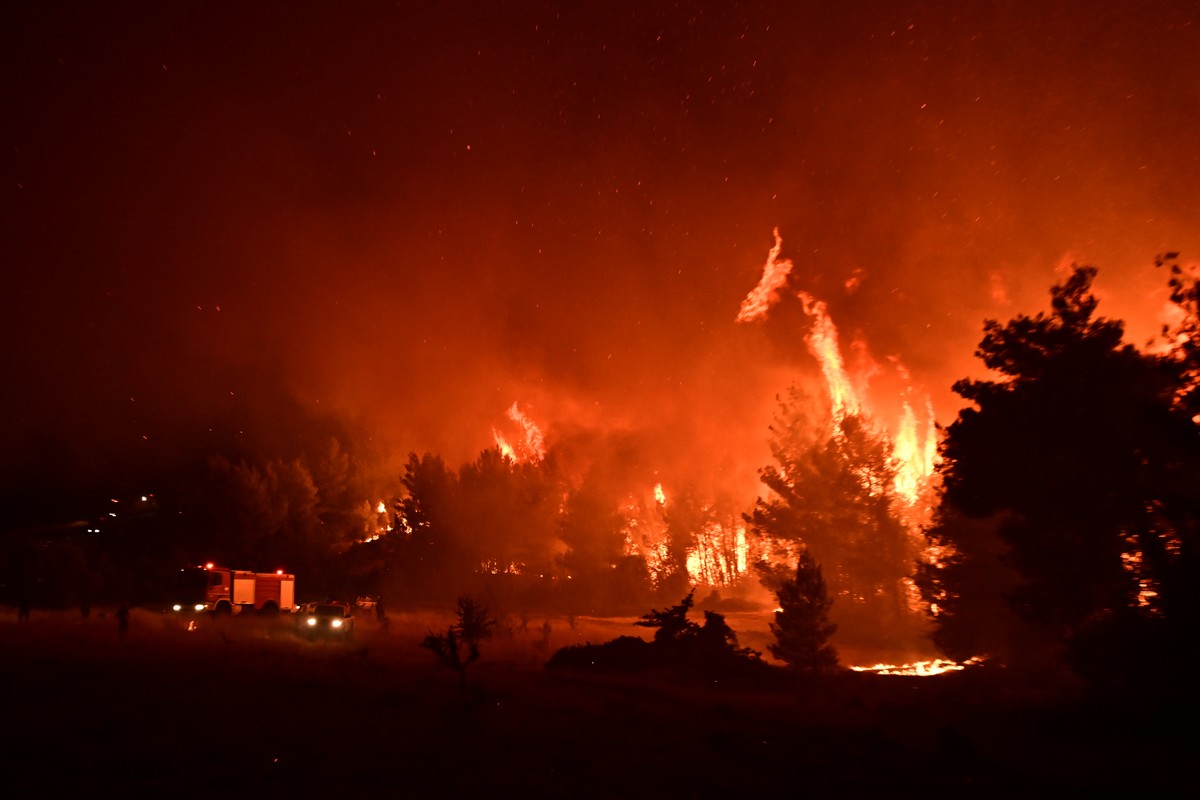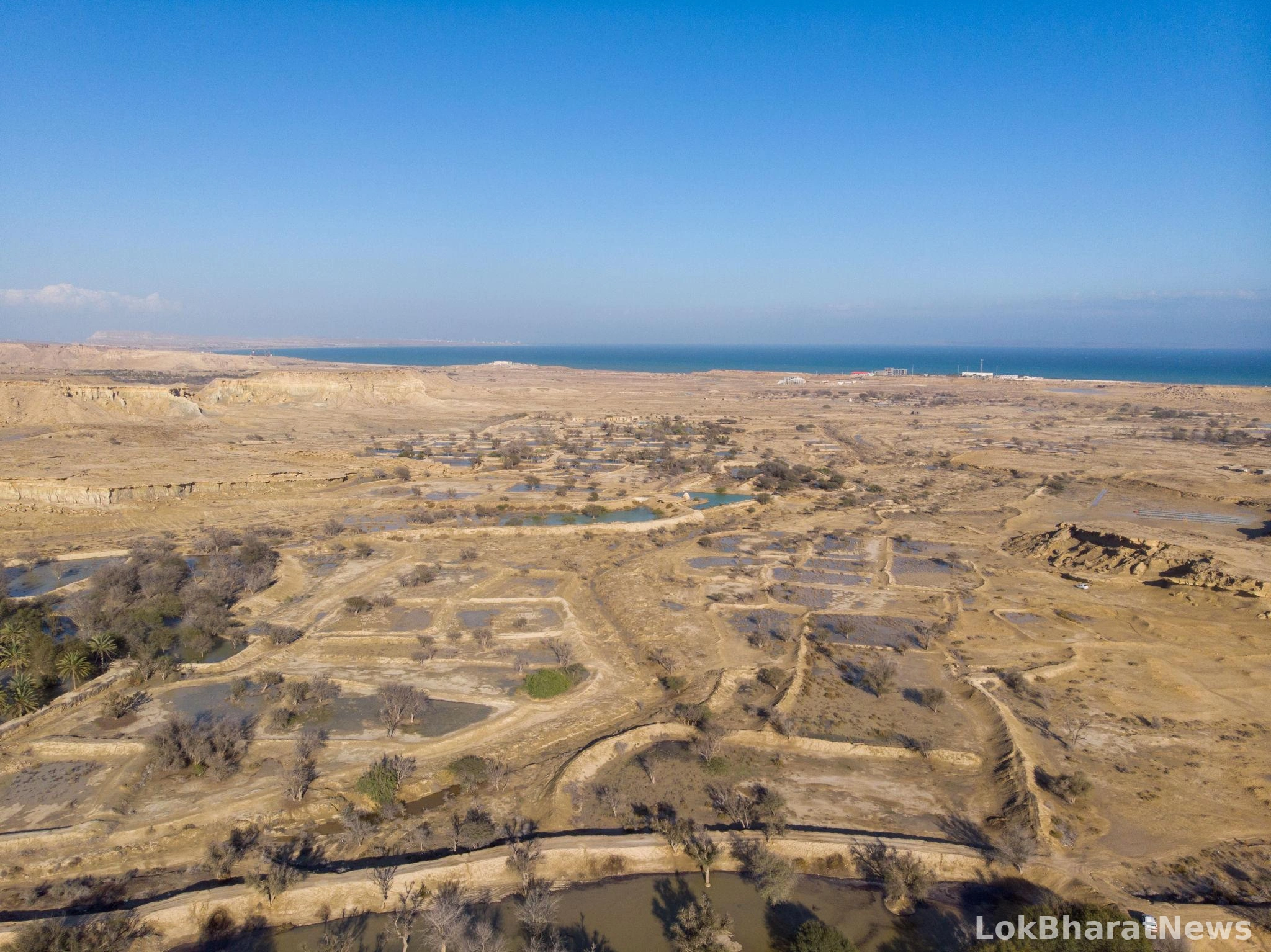
The Iran war situation intensified on Sunday after the United States confirmed fresh military strikes on Iranian targets in Qeshm Island and Goruk, while Kuwait reported new missile and drone attacks targeting its territory.
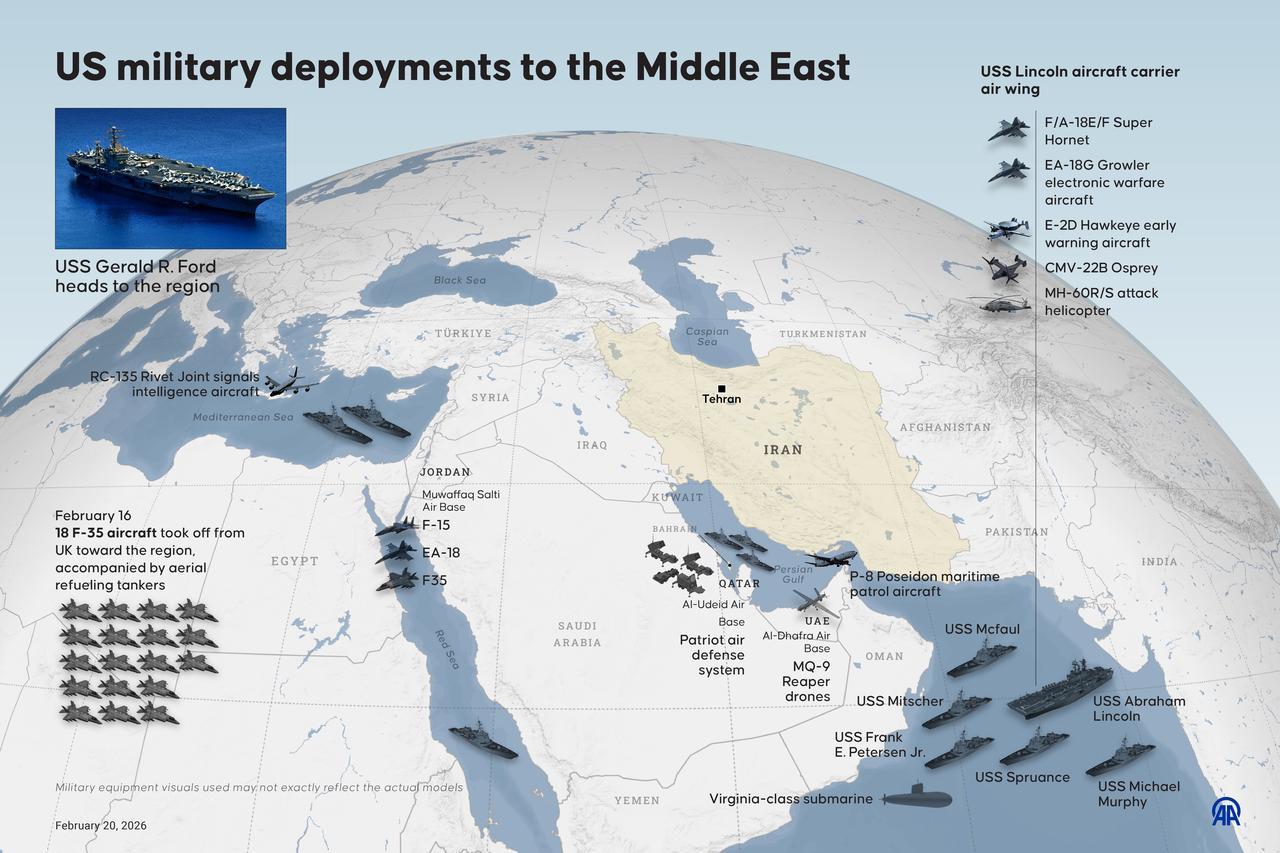
According to the US Central Command, American forces struck Iranian radar installations and drone command-and-control sites over the weekend. Officials said the operation followed the reported downing of a US MQ-1 drone, which Washington claimed was flying in international airspace.
The latest developments mark another escalation in the fragile confrontation between the United States and Iran. Military activity has continued despite ongoing diplomatic efforts aimed at reducing tensions across the region.
Iran war updates as US targets Qeshm and Goruk
The Iran war conflict entered another volatile phase after American fighter aircraft targeted facilities linked to Iranian drone operations.
US military officials stated that the strikes focused on radar systems, drone control infrastructure and military sites believed to pose threats to maritime security near the Strait of Hormuz. American authorities described the action as defensive and necessary to protect regional stability.
Iranian state-linked media reported damage to infrastructure in the targeted areas and accused Washington of violating existing ceasefire understandings. Iranian officials have repeatedly rejected US claims regarding drone activity and continue to insist that American forces are increasing instability in the Gulf region.
The strikes on Qeshm and Goruk have renewed concerns about possible disruption to shipping routes near the Strait of Hormuz, one of the world’s most important energy corridors. Oil markets closely monitored the developments as traders assessed potential risks to global supply chains.
Kuwait reports fresh missile and drone attacks
Kuwait’s military confirmed that air defence systems intercepted multiple incoming missiles and drones during the latest round of regional hostilities.
Authorities activated emergency response measures and monitored airspace after detecting aerial threats approaching Kuwaiti territory. Initial reports did not indicate major civilian casualties, though officials continued assessing possible damage.
Regional security experts believe the attacks highlight the growing risk facing Gulf countries that host American military facilities. Kuwait has remained on high alert since the conflict expanded beyond Iran and Israel earlier this year.
The Kuwaiti government strongly condemned attacks on its territory and called for greater regional stability. Gulf nations have repeatedly expressed concern that continued military exchanges could threaten civilian infrastructure and economic activity.
Diplomatic efforts continue despite escalation
International efforts to reduce tensions remain active even as military exchanges continue.
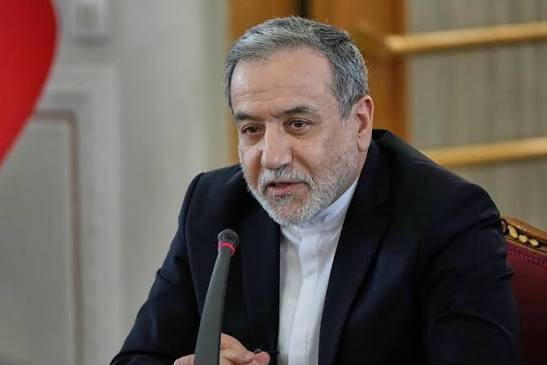
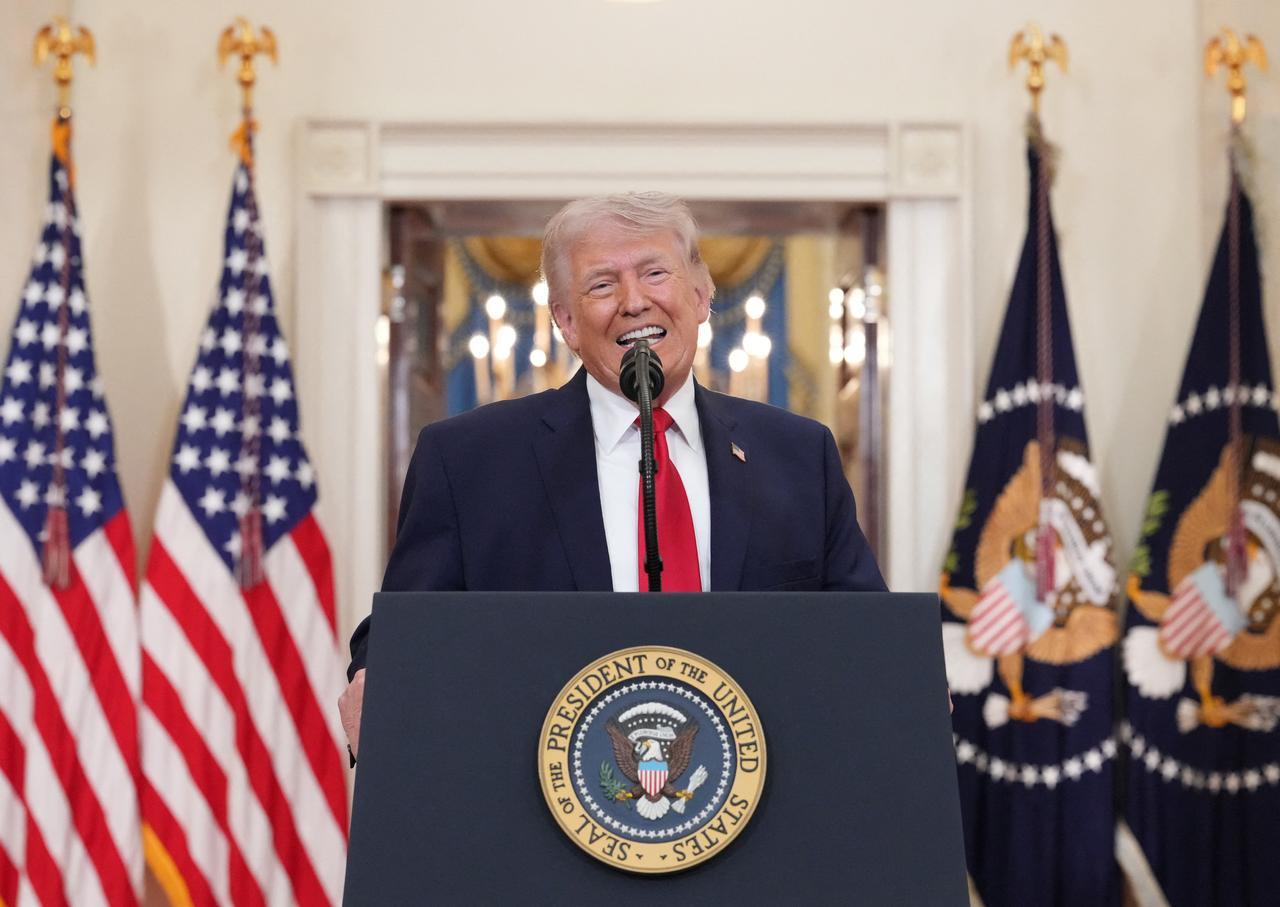
US officials have stated that preventing further escalation remains a priority, while negotiations involving regional partners continue behind the scenes. However, repeated military incidents have complicated attempts to secure a lasting agreement.
Analysts warn that continued attacks could increase pressure on energy markets and regional security networks. Several countries across the Gulf have strengthened air defence readiness as a precaution against additional strikes.
Also Read: Djokovic Faces Tough Questions at Roland Garros
Military experts believe the coming days could prove critical as both sides balance strategic responses with ongoing diplomatic discussions. The latest attacks on Qeshm, Goruk and Kuwait show that tensions remain far from resolved despite repeated calls for de-escalation.