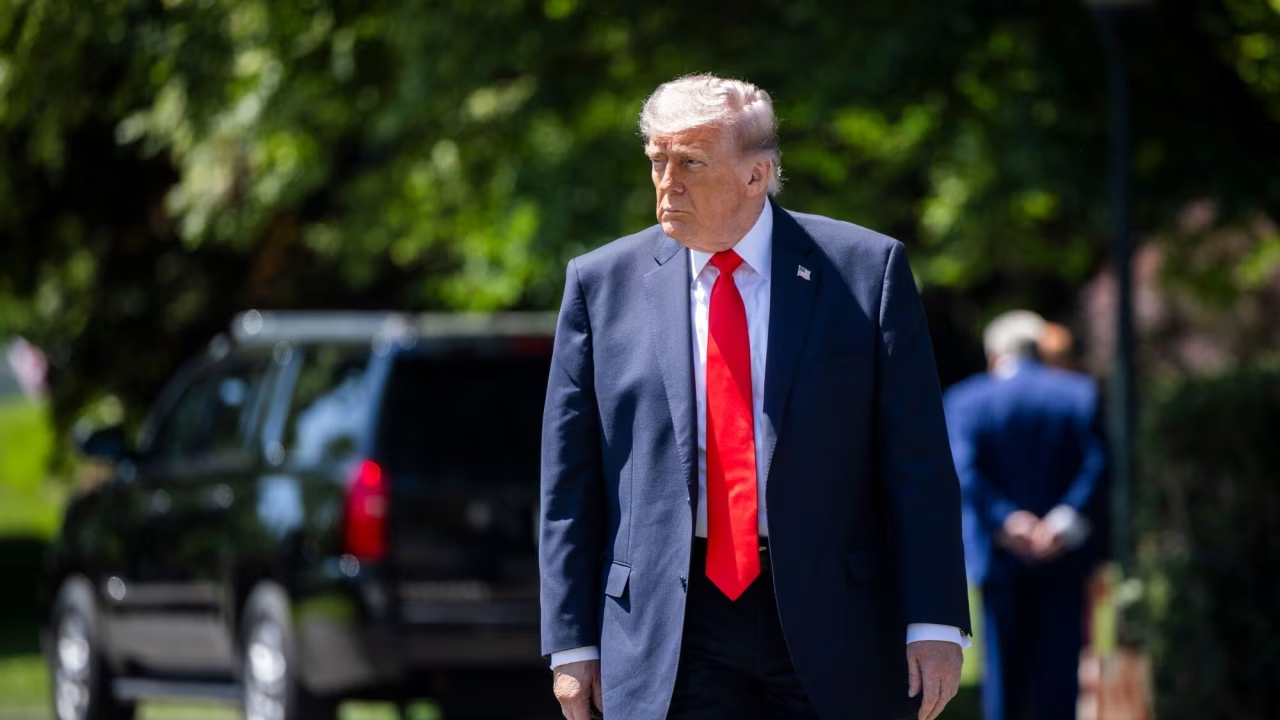
Tensions Rise Again Between Washington and Tehran
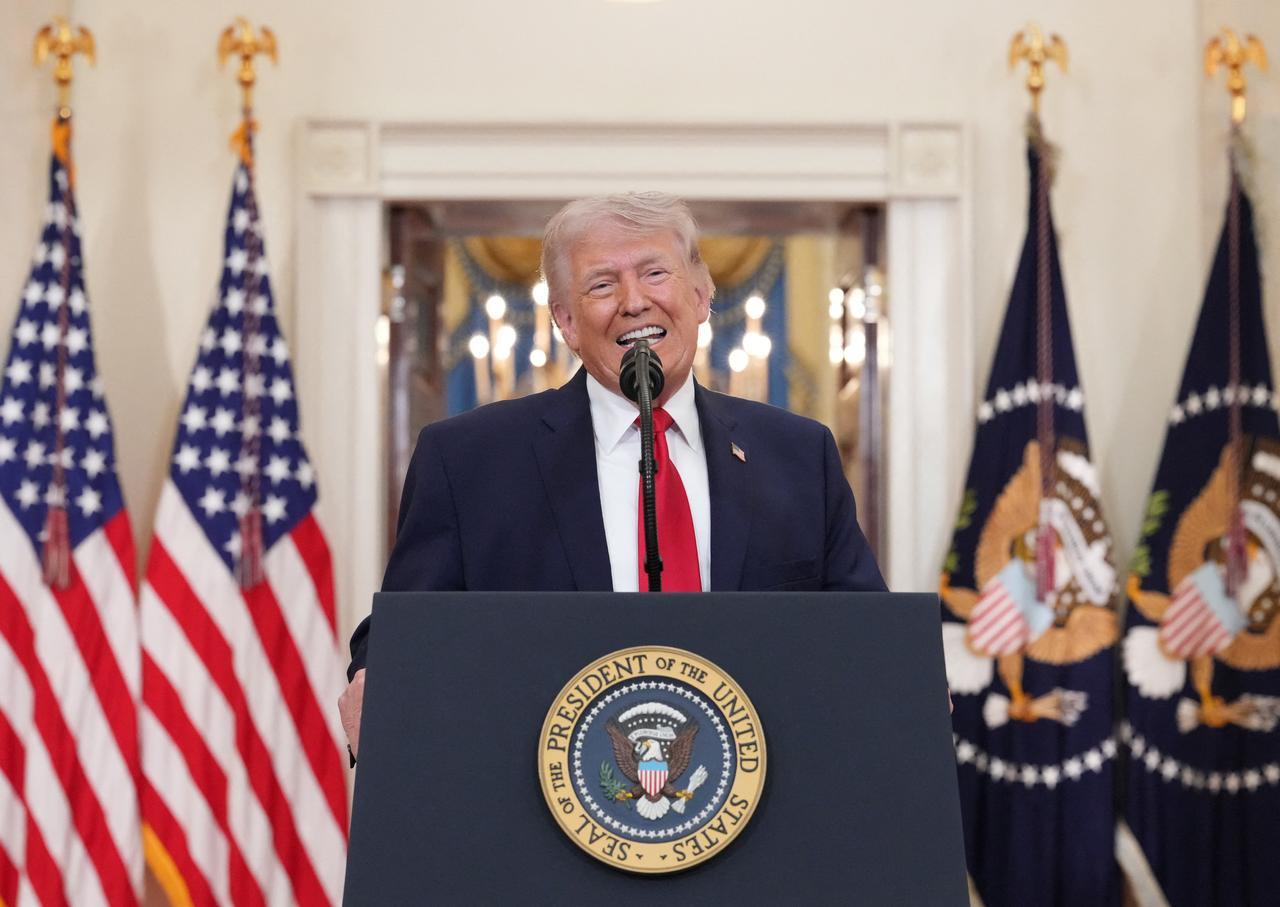
The conflict between the United States and Iran has entered another dangerous phase after former US President Donald Trump warned Tehran that military attacks could intensify if a peace proposal is rejected. Trump stated that “bombing starts” again if Iran refuses to accept the terms being discussed during ongoing diplomatic negotiations.
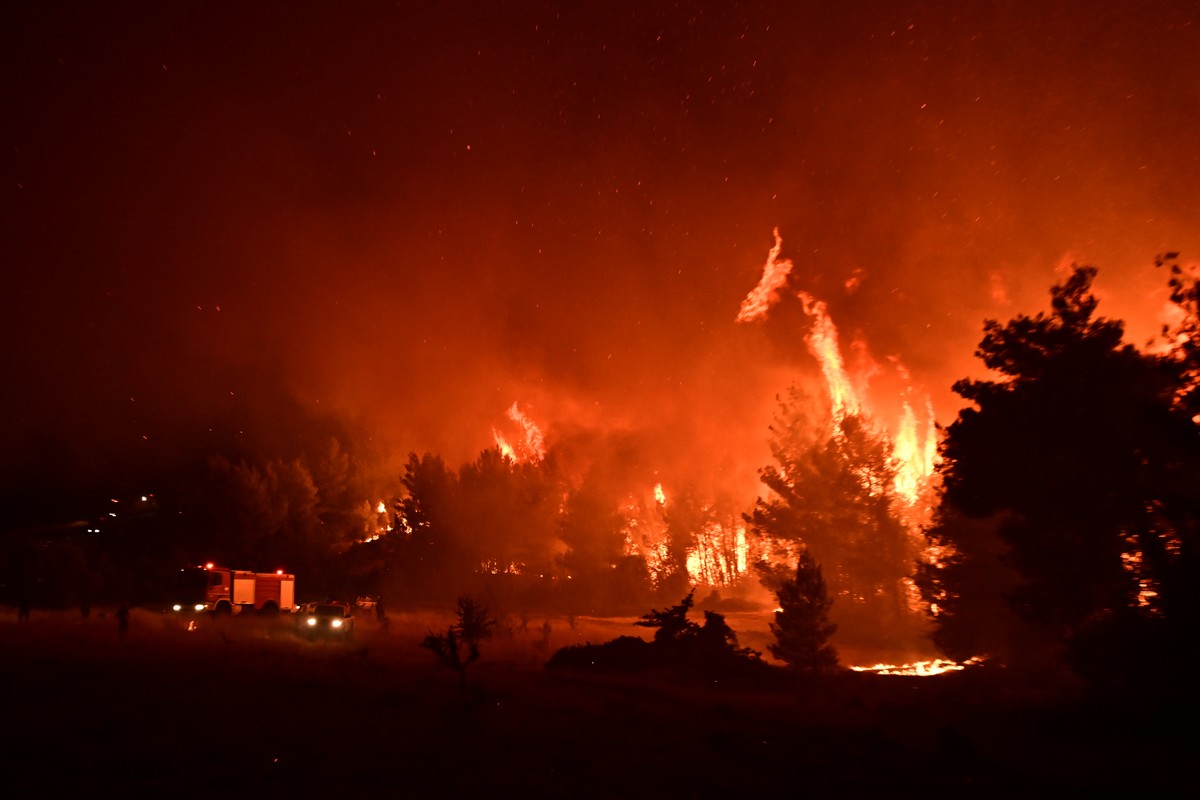
The warning has increased fears of a wider regional conflict, especially as military activity continues around the Strait of Hormuz, one of the world’s most important oil shipping routes. Iran has responded strongly, saying it will not surrender under pressure and is prepared to defend itself if attacked again.
Trump Says Military Action Could Return Quickly
Trump claimed that the United States is ready to end combat operations if Iran agrees to the proposed deal. According to reports, the proposal includes reopening the Strait of Hormuz, easing sanctions, and beginning negotiations on Iran’s nuclear activities. However, Trump warned that rejection of the agreement would lead to “much higher” levels of bombing than before.
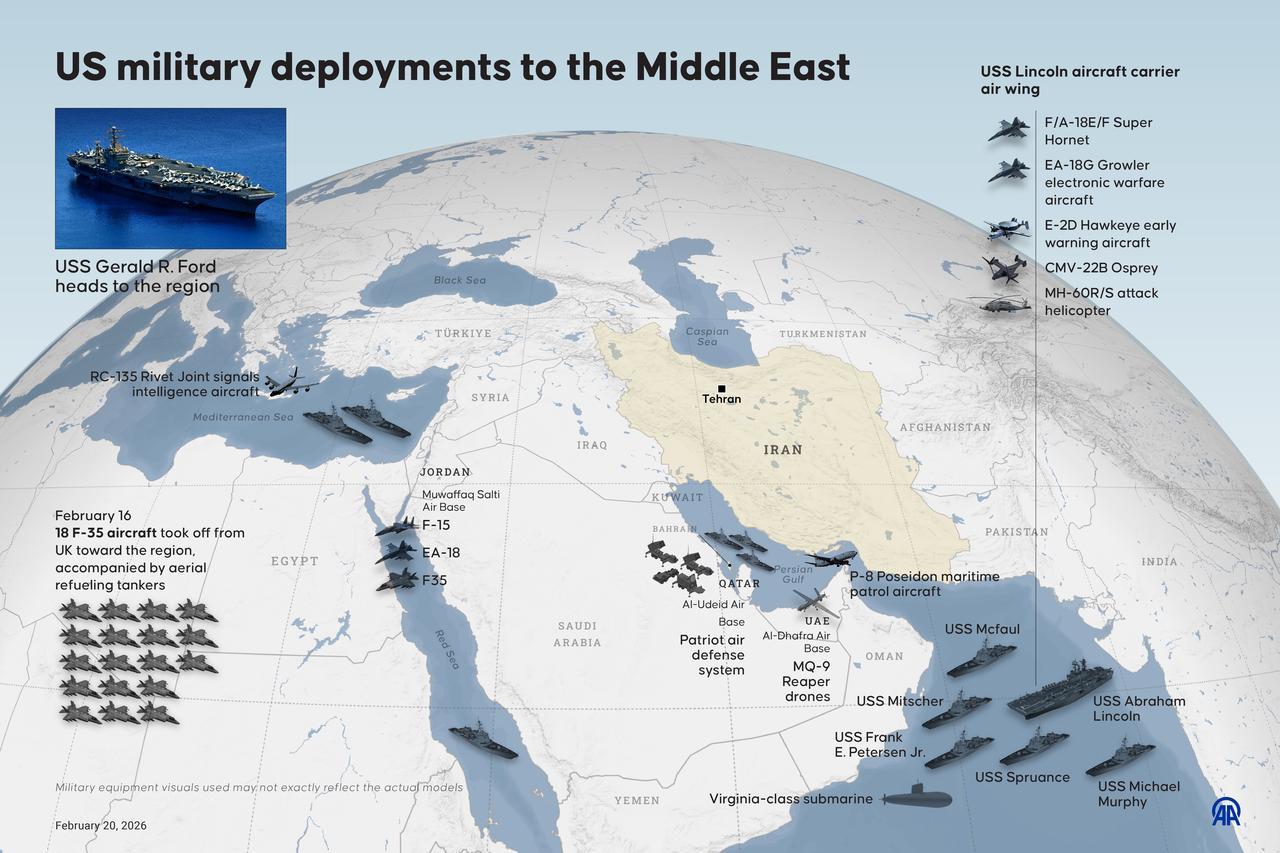
The remarks came after weeks of military tension involving American naval operations and strikes linked to the ongoing Iran conflict. Washington believes increased pressure could force Tehran to accept diplomatic conditions more favorable to the US and its allies.
Tehran Rejects Pressure Tactics
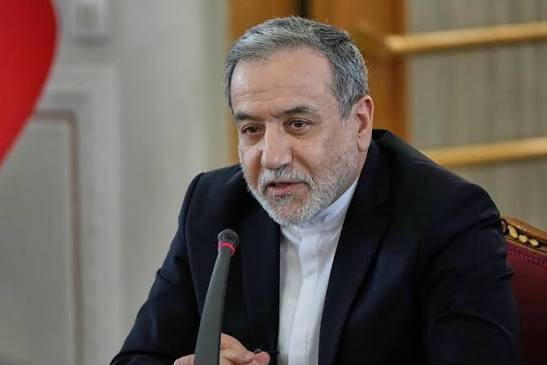
Iranian leaders have reacted with anger to Trump’s comments. Officials in Tehran described the US proposal as unrealistic and accused Washington of using threats instead of genuine diplomacy. Iranian representatives said the country will continue resisting military and economic pressure.
Iran also warned that any renewed attacks could trigger retaliation across the region. Statements from Iranian military officials suggested that Tehran remains ready to respond if US strikes resume.
Strait of Hormuz Remains the Key Focus
Much of the current crisis revolves around the Strait of Hormuz, a critical maritime route for global oil exports. The waterway has become a major point of tension after Iran threatened restrictions and the US increased naval presence in the Gulf region.
Several international shipping companies remain cautious, while global markets continue monitoring developments closely. Oil prices have shown volatility due to fears that escalation in the region could disrupt energy supplies worldwide.
Diplomatic Efforts Continue Despite Threats
Even with rising tensions, diplomatic channels remain active. Reports suggest that intermediaries including Pakistan and other regional powers are trying to prevent further escalation and encourage negotiations between both sides.
Trump recently indicated that there is still a “very good chance” for the conflict to end through negotiations, though major disagreements remain unresolved. Iranian officials, however, continue to express skepticism about Washington’s intentions.
Global Concerns Grow Over Wider Conflict
The latest exchange of threats has alarmed governments around the world. Analysts warn that any major military escalation involving Iran could destabilize the Middle East further and impact global trade, oil markets, and regional security.
As both Washington and Tehran continue their war of words, the international community is closely watching whether diplomacy can prevent another round of heavy military confrontation.