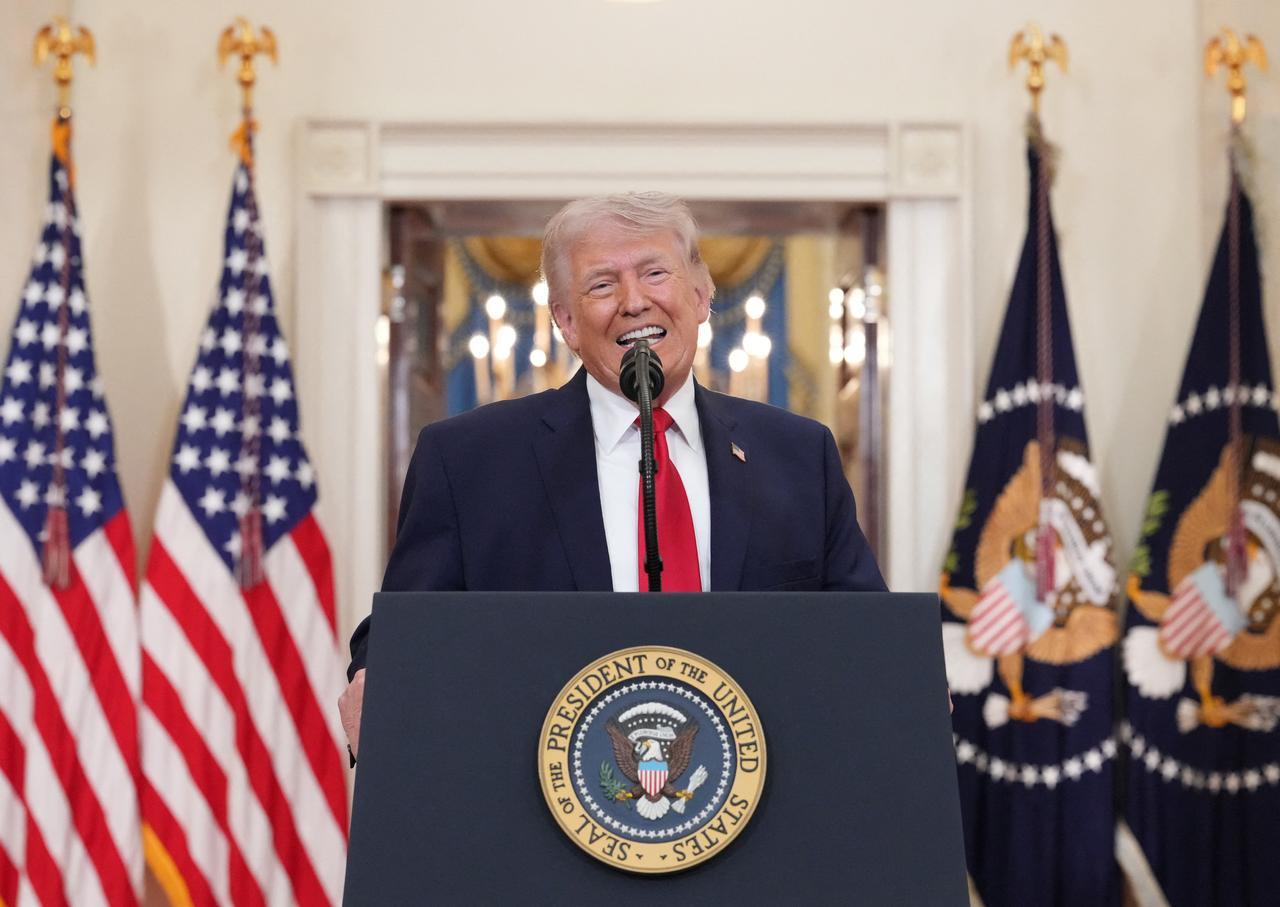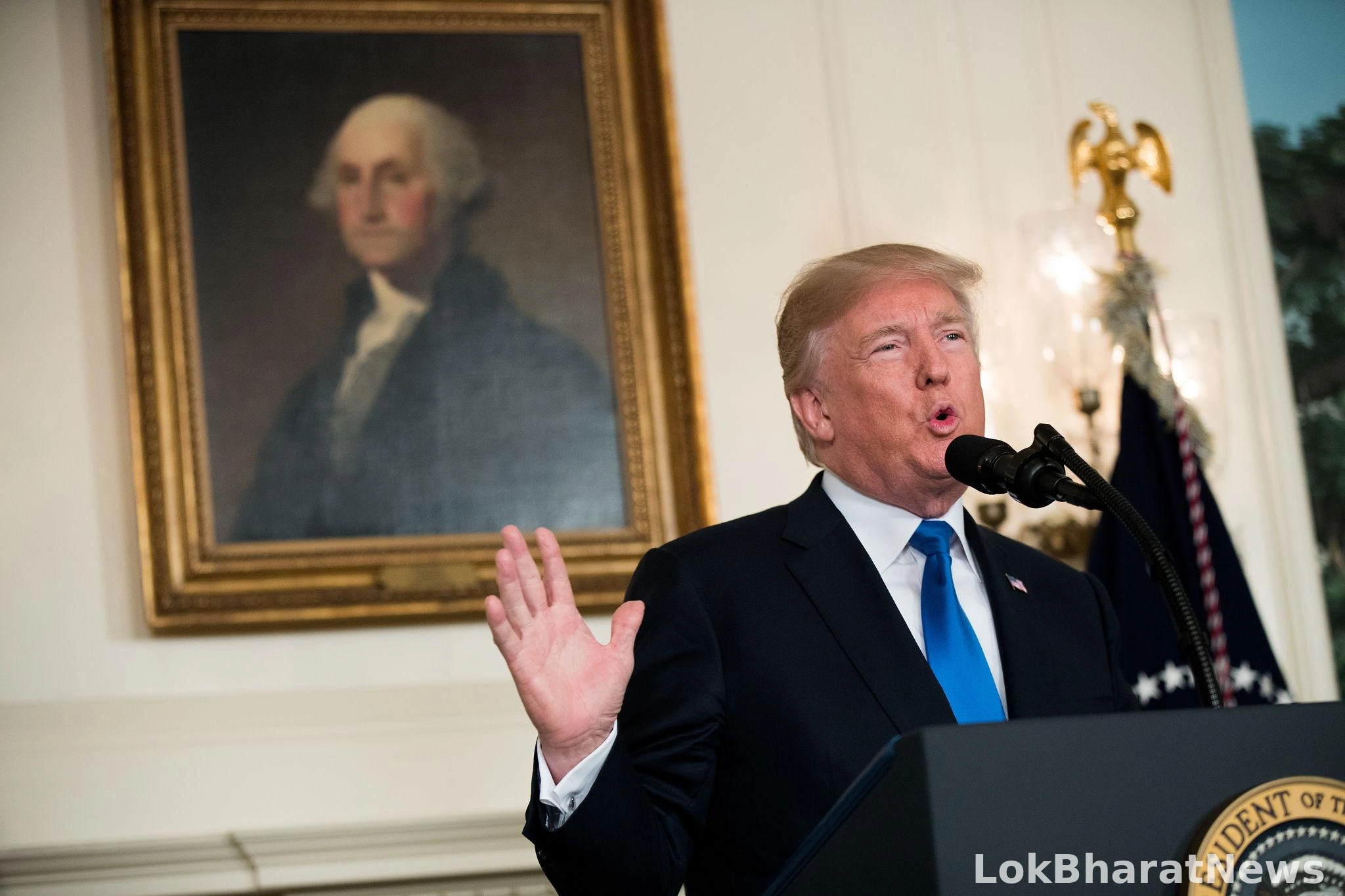
Tensions between the United States and Iran have once again escalated after former U.S. President Donald Trump strongly rejected Iran’s latest peace proposal. Calling it “completely unacceptable,” Trump said the offer does not meet basic U.S. expectations, pushing the already fragile ceasefire closer to collapse.
Trump Calls Iran’s Offer “Unacceptable”
Trump criticized Tehran’s response to the ceasefire plan, saying the demands were too extreme to consider. He made it clear that the United States will not agree to any deal that weakens its security or regional influence.
Iran’s proposal reportedly included broad demands such as lifting sanctions, reducing U.S. military presence in the region, and gaining greater control over strategic waterways.
Also Read:Modi Urges Indians To Work From Home As Iran War Pushes Fuel Concerns
Ceasefire Under Serious Pressure
The current ceasefire between the two sides is now extremely unstable. Trump described the situation as being on “life support,” suggesting that even a small disagreement could break the truce completely.
Diplomatic sources warn that if talks fail in the coming days, the ceasefire may not survive.
Iran’s Key Demands
Iran’s counter-proposal has created major disagreement. Its main demands include:
- Full removal of U.S. sanctions
- Reduced foreign military presence in the region
- Recognition of Iran’s regional influence
- Compensation related to past conflicts
The United States has rejected most of these conditions, calling them unrealistic.
Rising Risk of Escalation
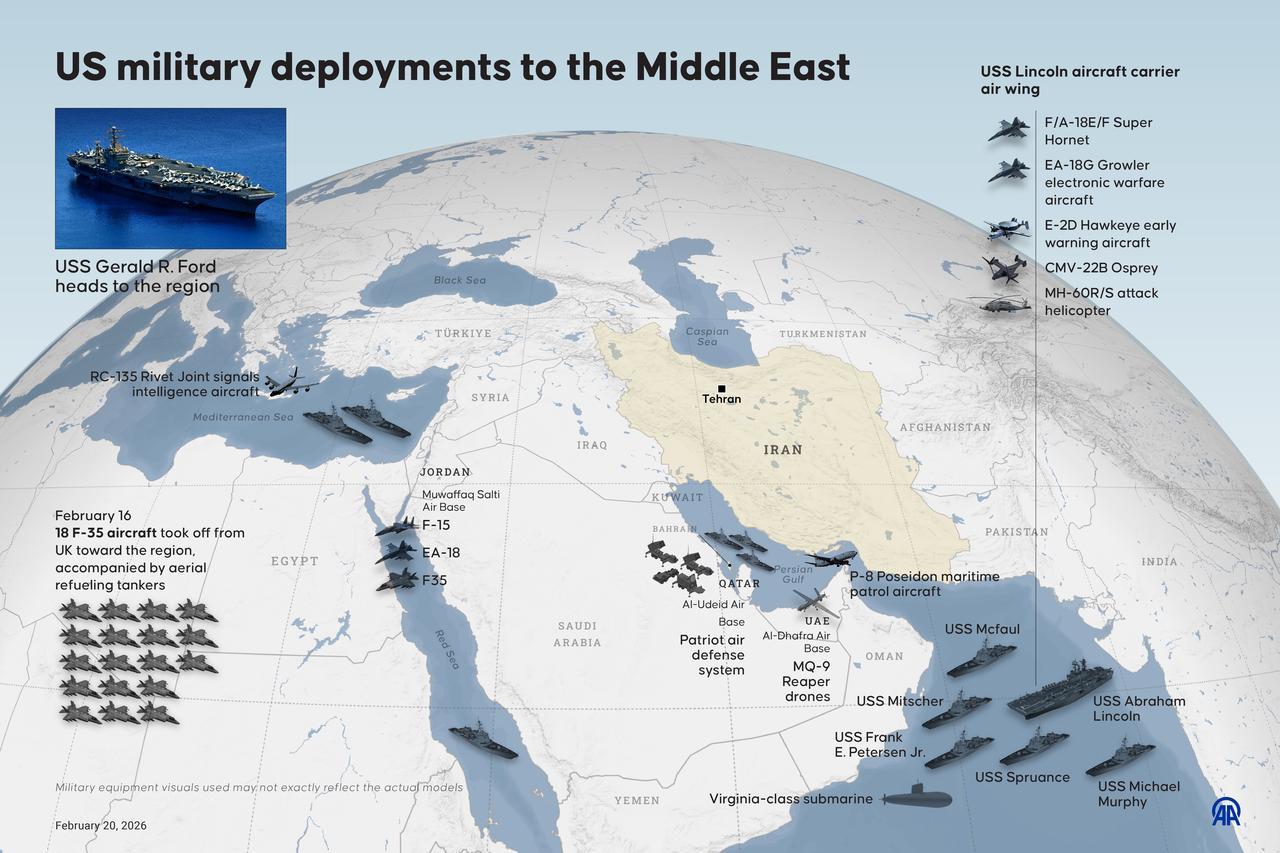
With negotiations stalled, concerns are growing about a possible return to military tensions. Reports suggest that the U.S. is reviewing its strategic options in the region, including increased naval deployment.
At the same time, global oil markets are reacting nervously due to uncertainty around the Strait of Hormuz, a key shipping route.
Also Read:Congress Slams Government Over India’s Ground Economic Reality
Global Concern Increases
International leaders are urging both sides to avoid further escalation. The ongoing uncertainty is affecting regional stability and raising fears of a wider conflict if diplomacy fails completely.
What’s Next?
The situation remains uncertain. While diplomatic talks are still possible, both sides are far apart on key issues. The future of the ceasefire now depends on whether either side is willing to soften its position in upcoming negotiations.