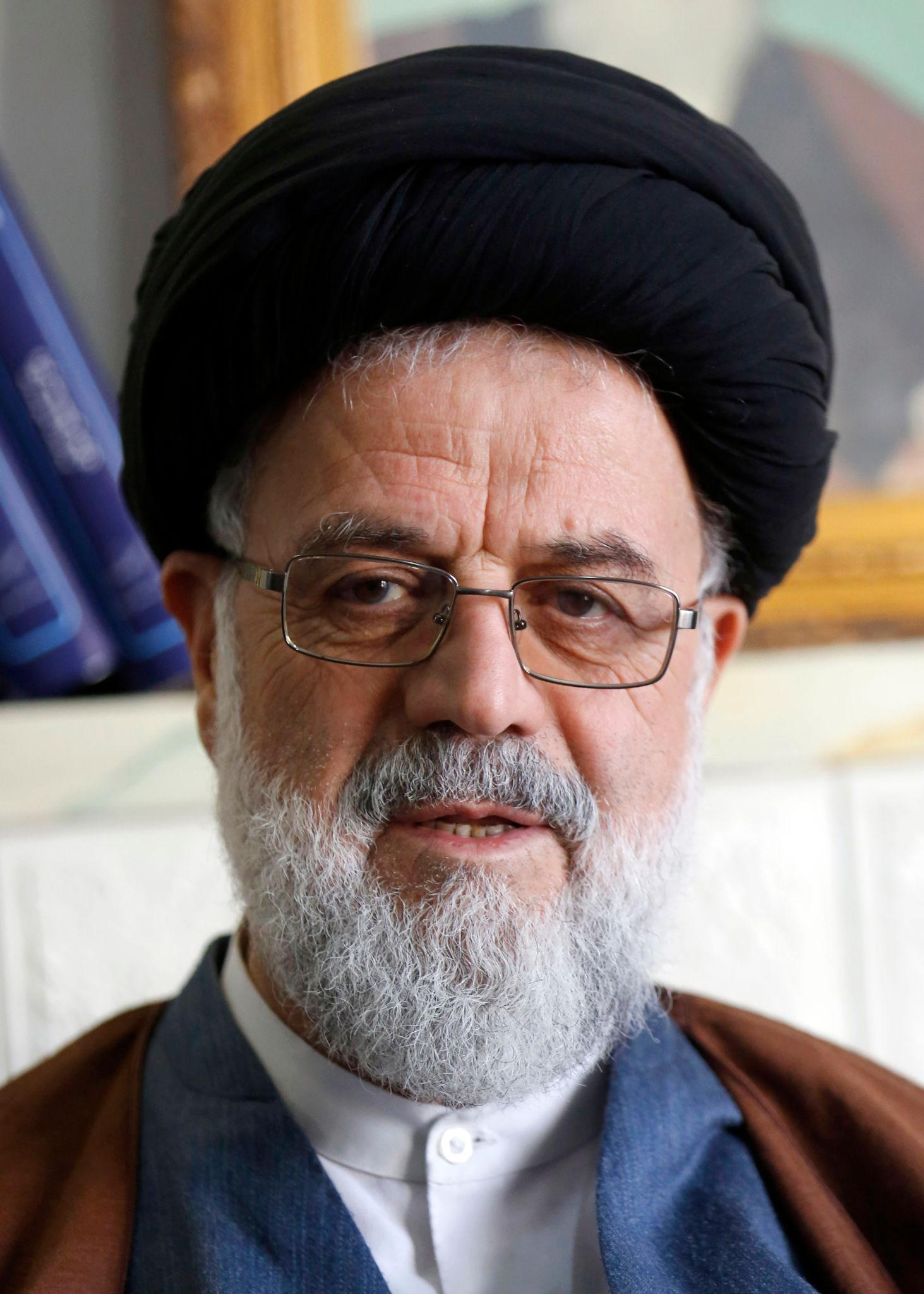
Iran Names Mojtaba Khamenei as New Supreme Leader
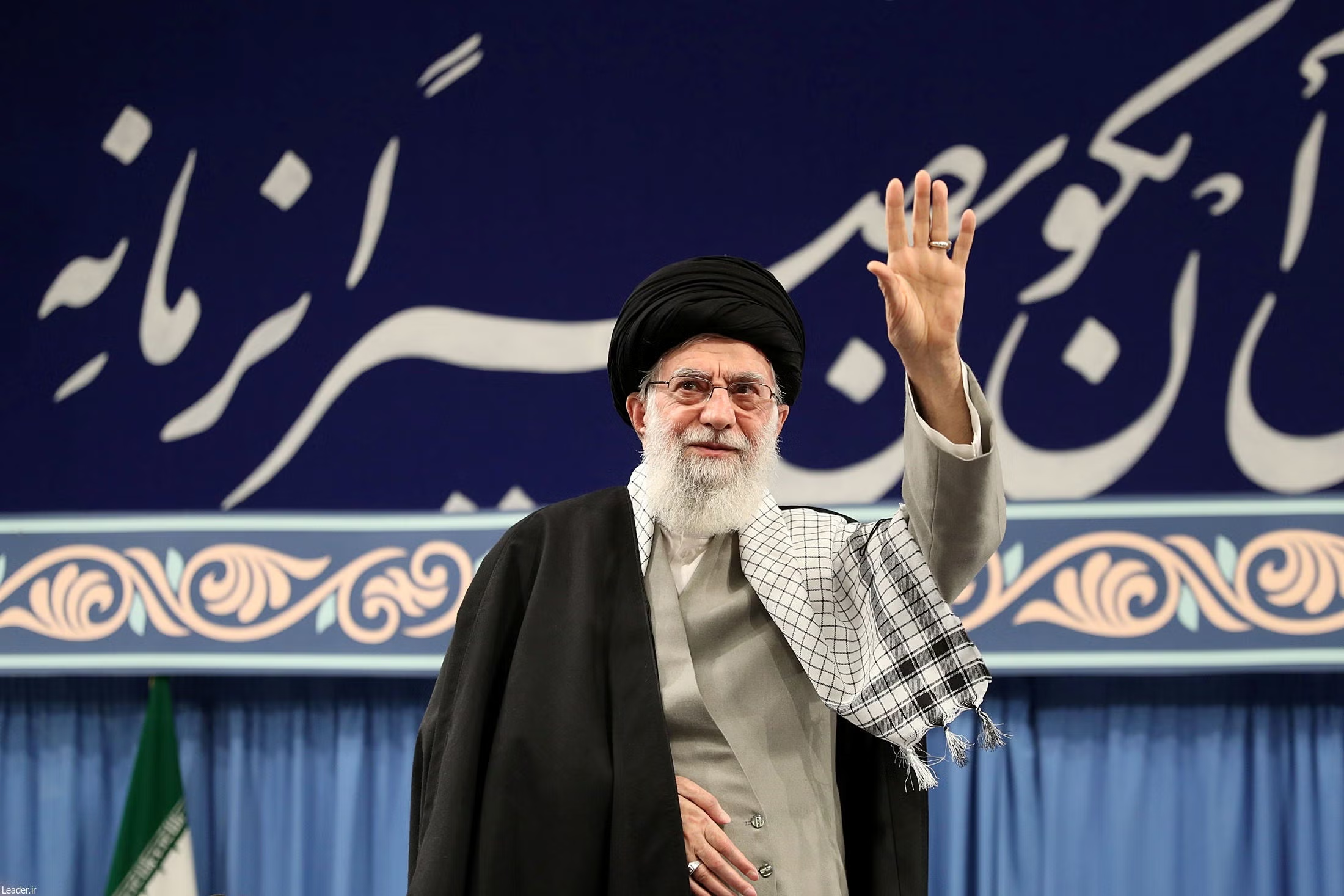
Iran’s clerical leadership has appointed Mojtaba Khamenei, the son of the late Ayatollah Ali Khamenei, as the country’s new Supreme Leader. The decision comes amid the ongoing war involving Iran, Israel, and the United States.
The announcement was made by the Assembly of Experts, the body responsible for selecting Iran’s Supreme Leader, following the death of Ali Khamenei in an airstrike during the early stages of the conflict.
Succession After Death of Ali Khamenei
Ayatollah Ali Khamenei, who had ruled Iran since 1989, was killed in a joint U.S.–Israeli strike targeting senior Iranian leadership in Tehran.
Following his death, Iran temporarily established an interim leadership council composed of senior officials to manage state affairs until a permanent successor could be chosen.
After several days of deliberations, the Assembly of Experts voted to elevate Mojtaba Khamenei as the third Supreme Leader in the history of the Islamic Republic.
Who Is Mojtaba Khamenei?
Mojtaba Khamenei, a cleric in his mid-50s, has long been considered an influential figure within Iran’s political establishment despite rarely appearing in public.
Analysts say he has strong ties to the Islamic Revolutionary Guard Corps (IRGC) and played an important behind-the-scenes role in Iranian politics for years.
However, his appointment has sparked controversy because Iran’s political system was originally designed to avoid hereditary leadership.
Iran’s Defiant Message to the West
The appointment of Mojtaba Khamenei is widely viewed as a defiant response to pressure from the United States and its allies during the ongoing conflict.
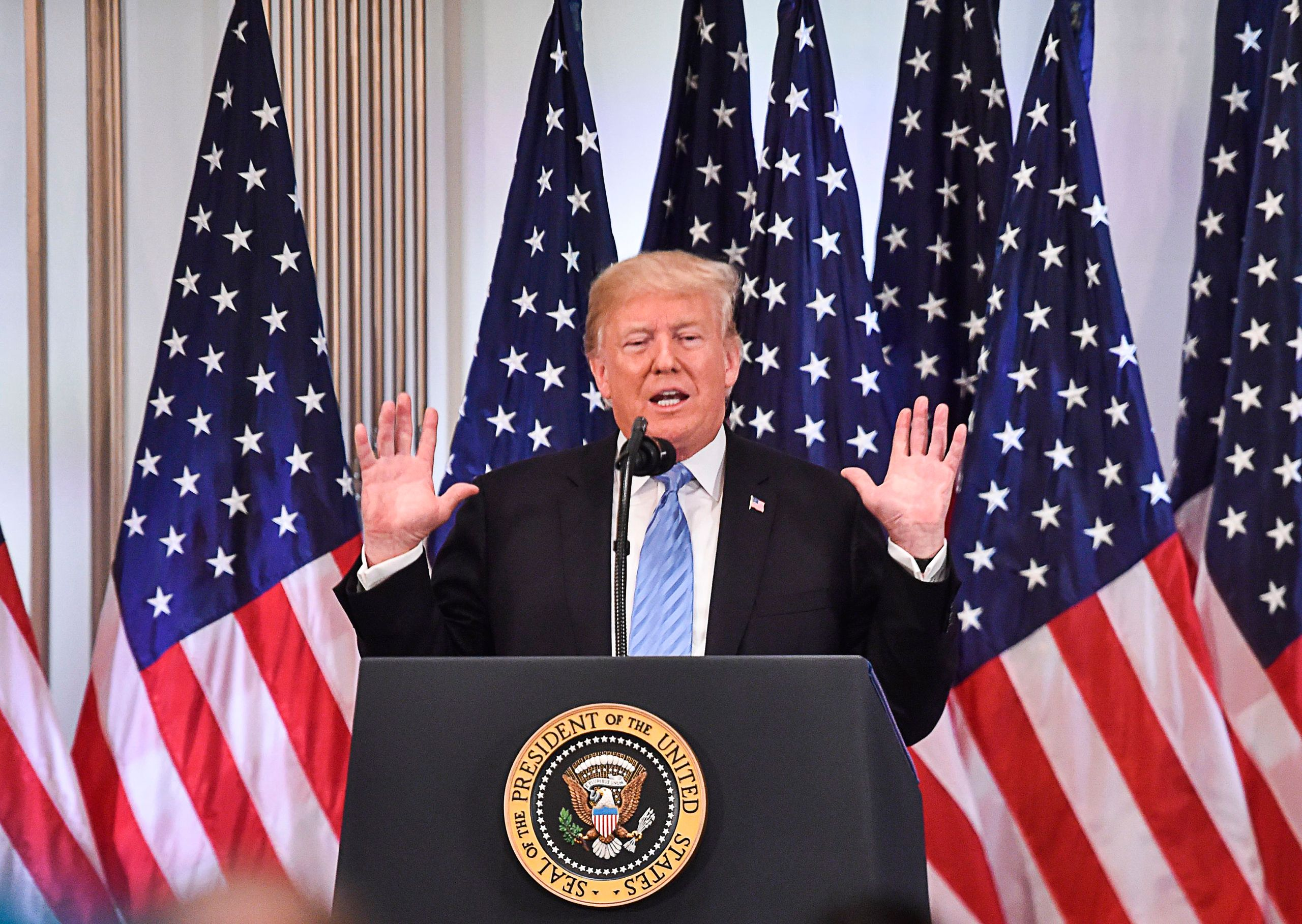
Former U.S. President Donald Trump criticized the choice and warned that Iran’s new leader would not last long without international recognition.
Iranian officials, however, say the decision demonstrates the country’s determination to maintain its political system despite foreign pressure.
Regional Implications
The leadership change comes at a time when the Middle East is experiencing one of its most serious crises in years.
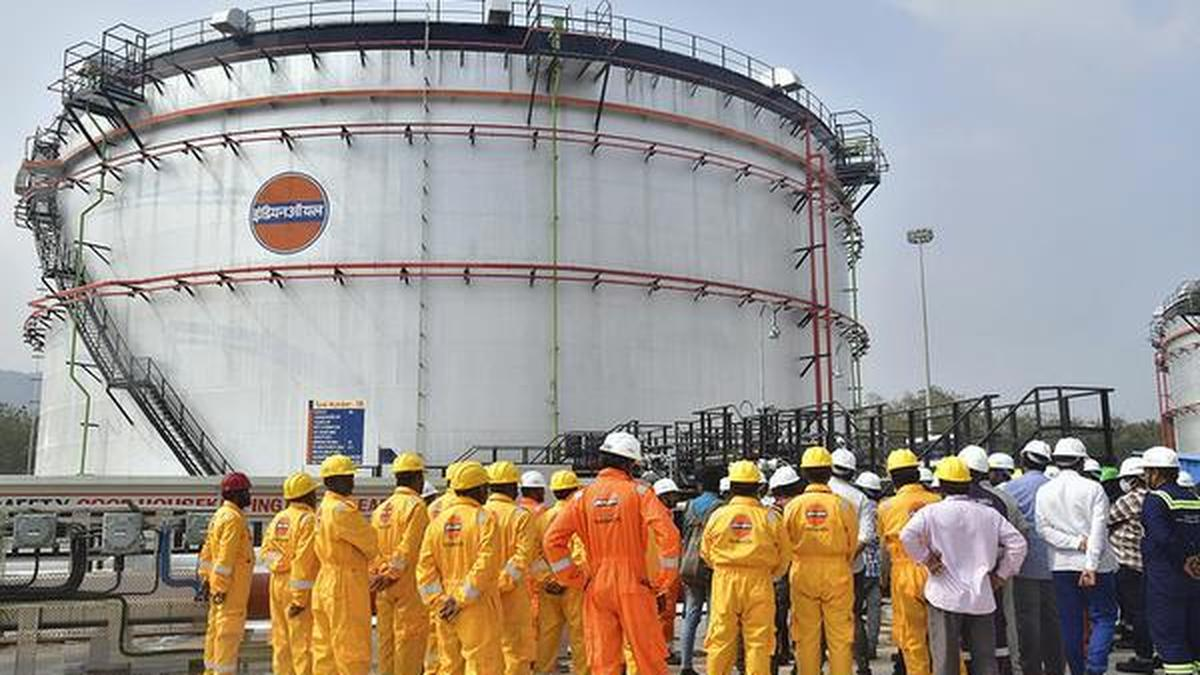
The war has already led to missile attacks, airstrikes across multiple countries, and rising oil prices due to concerns over energy supply routes.
Analysts warn that the appointment of a hardline leader could reduce the chances of diplomatic negotiations and potentially prolong the conflict.