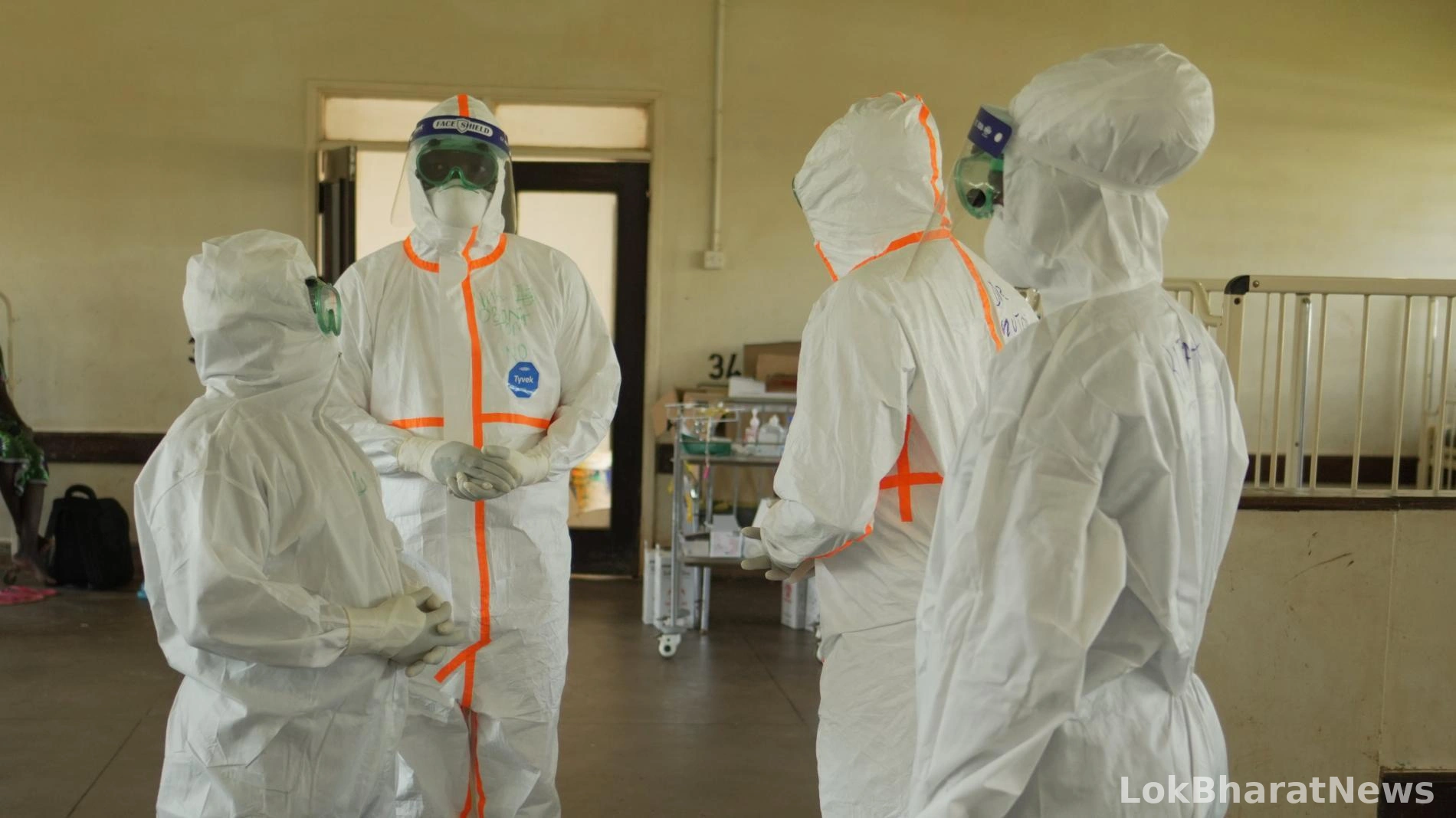
The Ebola Bundibugyo vaccine could become available by the end of 2026, according to the Africa Centres for Disease Control and Prevention (Africa CDC). Health officials say the vaccine would help strengthen preparedness against one of the deadliest Ebola virus strains circulating in parts of Africa.
Africa CDC Director-General Jean Kaseya said researchers and health agencies are accelerating vaccine development efforts after repeated outbreaks raised concerns across the continent. Scientists hope the vaccine will improve response capabilities during future health emergencies.
The Bundibugyo strain differs from the Zaire strain of Ebola, which caused major outbreaks in West Africa and the Democratic Republic of Congo in recent years. Existing vaccines mainly target the Zaire variant, leaving a gap in protection against other strains.
Ebola Bundibugyo vaccine development gains momentum
The Ebola Bundibugyo vaccine project has gained urgency after outbreaks exposed weaknesses in vaccine coverage.
Health officials say scientists are working closely with international research groups and vaccine manufacturers to speed up development. Clinical studies and safety evaluations will play a major role before authorities approve any vaccine for public use.
The Bundibugyo strain first emerged in Uganda in 2007. It later caused additional outbreaks in Uganda and the Democratic Republic of Congo. Experts say the strain has a lower fatality rate than the Zaire variant, but it still poses serious risks to public health.
Researchers believe broader vaccine protection could significantly improve Africa’s preparedness against future Ebola outbreaks.
Conflict and outbreaks increase health concerns
Public health experts continue warning about the connection between disease outbreaks and regional instability.
Several African countries facing armed conflict and displacement also struggle with weak healthcare systems. These conditions can make outbreak detection and containment far more difficult.
The World Health Organization recently warned that violence and population movement increase the risk of infectious disease spread in vulnerable regions. Humanitarian agencies say crowded displacement camps often lack adequate sanitation and healthcare access.
Also Read: Ebola-Hit DR Congo Faces ‘Catastrophic Collision’ Of Disease And Conflict
Health workers also face major challenges while operating in conflict zones. Security risks, limited medical infrastructure and public mistrust can slow emergency response efforts during outbreaks.
Africa strengthens disease preparedness
African health agencies have increased efforts to improve vaccine manufacturing and emergency response systems since the COVID-19 pandemic.
Africa CDC says the continent wants to reduce dependence on imported vaccines and strengthen local production capacity. Several countries are already investing in vaccine research centres and pharmaceutical manufacturing facilities.
Experts believe regional cooperation will remain essential in preventing future epidemics. Faster vaccine development, stronger surveillance systems and improved healthcare access could help reduce the impact of deadly diseases across Africa.
The Ebola Bundibugyo vaccine initiative represents another major step in Africa’s long-term public health strategy as governments work to improve outbreak preparedness and medical resilience.