Baisakhi 2026: Meaning, History, Traditions & Festive Spirit in India
Baisakhi is a vibrant and deeply meaningful festival celebrated across India, with special enthusiasm in Punjab. Observed on April 14 in 2026, it marks the successful harvest of Rabi crops and the beginning of a new year in the Punjabi calendar. The festival reflects joy, gratitude, and renewal, as farmers celebrate the fruits of their hard work while communities come together to share happiness. It is a time when traditions, spirituality, and cultural pride blend beautifully, creating an atmosphere filled with positivity and celebration.
Historical Significance
Baisakhi carries immense historical importance, especially for the Sikh community. In 1699, Guru Gobind Singh established the Khalsa at Anandpur Sahib, shaping the identity and strength of Sikhism. This historic moment emphasized equality, bravery, and devotion, encouraging people to stand against injustice and live with dignity. Even today, this legacy is remembered with deep respect, and devotees gather to honor the values introduced during that time. The day serves as a reminder of unity and courage that continues to inspire generations.
Traditions and Rituals
The celebrations begin early in the morning as people visit Gurudwara to offer prayers and seek blessings. Devotional songs and kirtans create a peaceful and spiritual environment, allowing people to connect with their faith. One of the most important traditions is the preparation and sharing of Langar, where everyone sits together and eats without any distinction of caste, class, or status. This practice beautifully represents equality and togetherness.
Farmers play a central role during Baisakhi, as it marks the harvesting season. They express gratitude to nature for a good yield and celebrate their efforts with pride. The rituals not only strengthen faith but also bring a sense of community and shared happiness.
Celebrations and Festive Spirit
The festive spirit of Baisakhi is most visible in Punjab, where celebrations are lively and colorful. Traditional dances like Bhangra and Gidda are performed with great energy, often in open fields and village gatherings. People wear bright traditional clothes, adding to the cheerful atmosphere.
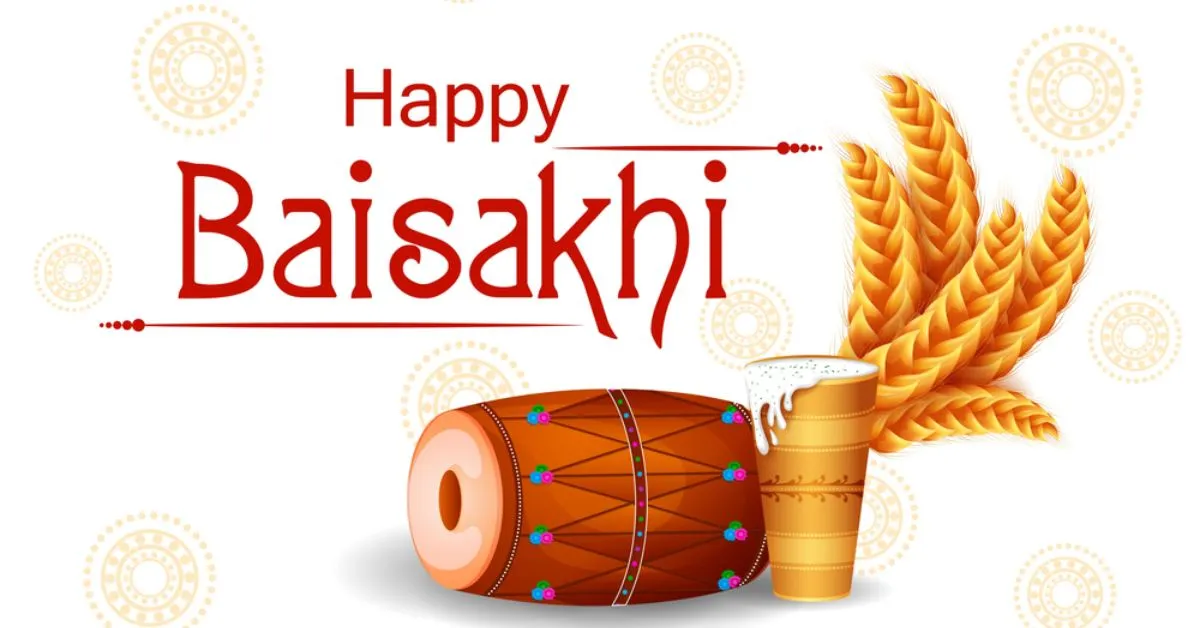
Fairs and cultural events are organized in many places, featuring local food, music, and entertainment. The sound of dhol, the rhythm of dance, and the smiles of people create a joyful environment that truly captures the essence of the festival. It becomes a day of celebration, connection, and cultural pride.
Celebration Across India
While Baisakhi is strongly associated with Punjab, its significance is felt across different parts of India. In West Bengal, it coincides with the Bengali New Year, while in Tamil Nadu, it aligns with Puthandu celebrations. In Assam, people celebrate Bohag Bihu with similar enthusiasm.
These regional variations show how the same day represents new beginnings and cultural richness across the country. Despite different names and customs, the core spirit remains the same—celebrating life, prosperity, and hope for the future.
Modern Relevance
In today’s fast-paced world, Baisakhi continues to hold strong relevance. It reminds people to stay connected to their roots and appreciate the importance of hard work and gratitude. The festival promotes unity, encouraging individuals from different backgrounds to come together and celebrate as one community.
It also plays an important role in preserving cultural heritage, especially for younger generations who learn about traditions and values through such celebrations. Baisakhi is not just a festival of the past but a living tradition that continues to inspire positivity and togetherness.
Conclusion
Baisakhi 2026 stands as a beautiful celebration of harvest, faith, and unity. From its deep historical roots to its vibrant modern-day celebrations, the festival reflects the true spirit of joy and gratitude. It encourages people to celebrate their achievements, stay grounded in values, and welcome new beginnings with hope and enthusiasm.
As communities gather, dance, pray, and share meals, Baisakhi becomes more than just a festival—it becomes a symbol of harmony, prosperity, and cultural pride that continues to shine across generations.