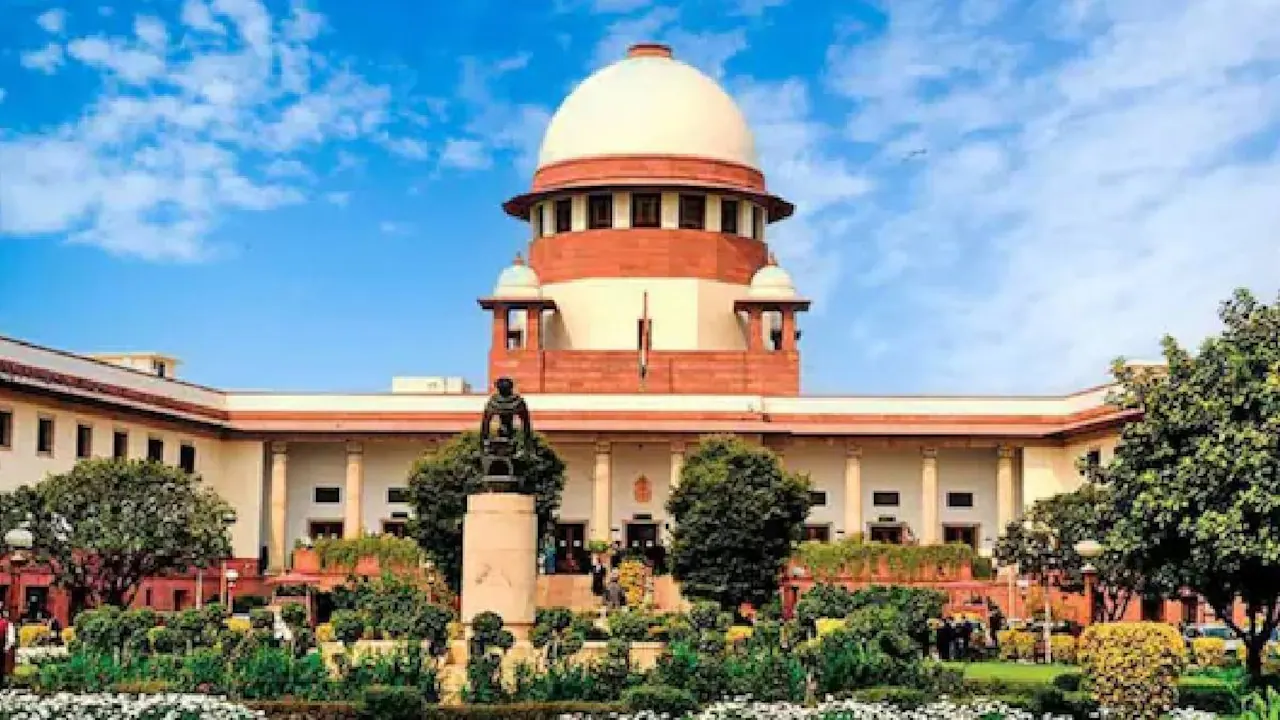
The Supreme Court has stayed the premature release of a convict in the 1993 Bowbazar blast case. The order came after the West Bengal government challenged an earlier decision that allowed the convict’s early release.
The case is linked to one of Kolkata’s deadliest explosions. The blast killed dozens of people and destroyed several buildings in the crowded Bowbazar area.
State government moves Supreme Court
The Bowbazar blast convict had spent more than three decades in prison. Earlier, the Delhi High Court had directed his premature release, citing his long incarceration and conduct in jail.
However, the West Bengal government opposed the move. It argued that the case involved a serious terror-related offence and required careful consideration.
The state government told the Supreme Court that the gravity of the crime and its impact on society could not be ignored. After hearing the matter, the apex court stayed the release order and agreed to examine the case in detail.
Also Read: Partners, Not Rivals’: Wang Yi Signals Fresh Push to Improve India-China Ties
A tragedy that shook Kolkata
The explosion took place in March 1993 in Kolkata’s Bowbazar area. A large cache of explosives detonated in a residential neighbourhood, killing 69 people and injuring many others.
The blast also caused extensive damage to nearby buildings. The incident remains one of the worst explosions in Kolkata’s history and is still remembered for its devastating impact.
The Bowbazar blast convict case has once again brought attention to the debate over punishment and rehabilitation. Courts have often stressed that reform is an important objective of the criminal justice system.
At the same time, governments and victims’ families argue that crimes involving mass casualties require special consideration. The Supreme Court’s final decision is therefore expected to have wider implications for policies governing the premature release of prisoners convicted in serious offences.
For now, the convict will remain in custody. The Supreme Court will hear the matter further and decide whether the earlier order permitting his release should be allowed to stand.