The Serum Institute of India (SII) will manufacture clinical trial doses of an experimental Ebola vaccine developed by the University of Oxford after receiving new financial support from the Coalition for Epidemic Preparedness Innovations (CEPI). The funding aims to accelerate vaccine development against the deadly Bundibugyo strain of the Ebola virus.
CEPI announced an investment of up to US$ 8.6 million to support manufacturing and clinical advancement of the vaccine candidate. The project forms part of global efforts to strengthen preparedness against future Ebola outbreaks, particularly in African countries where the virus remains a major health threat.
The latest Oxford Ebola vaccine initiative highlights India’s growing role in global vaccine manufacturing and public health partnerships.
Serum Institute Expands Global Vaccine Role
Serum Institute is already one of the world’s largest vaccine manufacturers by volume. The Pune-based company gained global recognition during the COVID-19 pandemic after producing millions of vaccine doses for domestic and international use.
Also Read: Pancreatic Cancer Breakthrough: New Daily Pill Doubles Survival Time
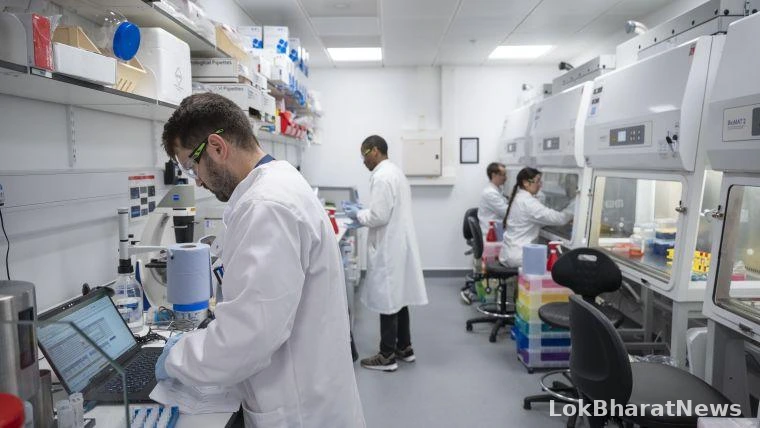
Under the latest partnership, SII will manufacture investigational vaccine doses for future clinical studies and emergency stockpiles if needed. Researchers hope the vaccine can provide protection against the Bundibugyo Ebola strain, which caused serious outbreaks in Uganda and neighbouring regions.
Scientists from Oxford University developed the vaccine using the ChAdOx1 viral vector platform. Researchers previously used the same technology during early COVID-19 vaccine development.
CEPI Focuses On Future Outbreak Preparedness
CEPI said the investment supports its long-term mission to improve rapid vaccine response capabilities for emerging infectious diseases. Health experts continue warning that Ebola outbreaks remain a major global health concern because of high fatality rates and weak healthcare infrastructure in affected regions.
The latest Oxford Ebola vaccine project will also support future clinical testing and regulatory preparations if larger outbreaks occur. CEPI officials said stronger vaccine readiness could help authorities contain future epidemics faster and reduce casualties.
Global health organisations have increased investments in epidemic preparedness following lessons learned during the COVID-19 pandemic. Analysts believe international cooperation between research institutions and manufacturers will remain critical for responding to future public health emergencies.