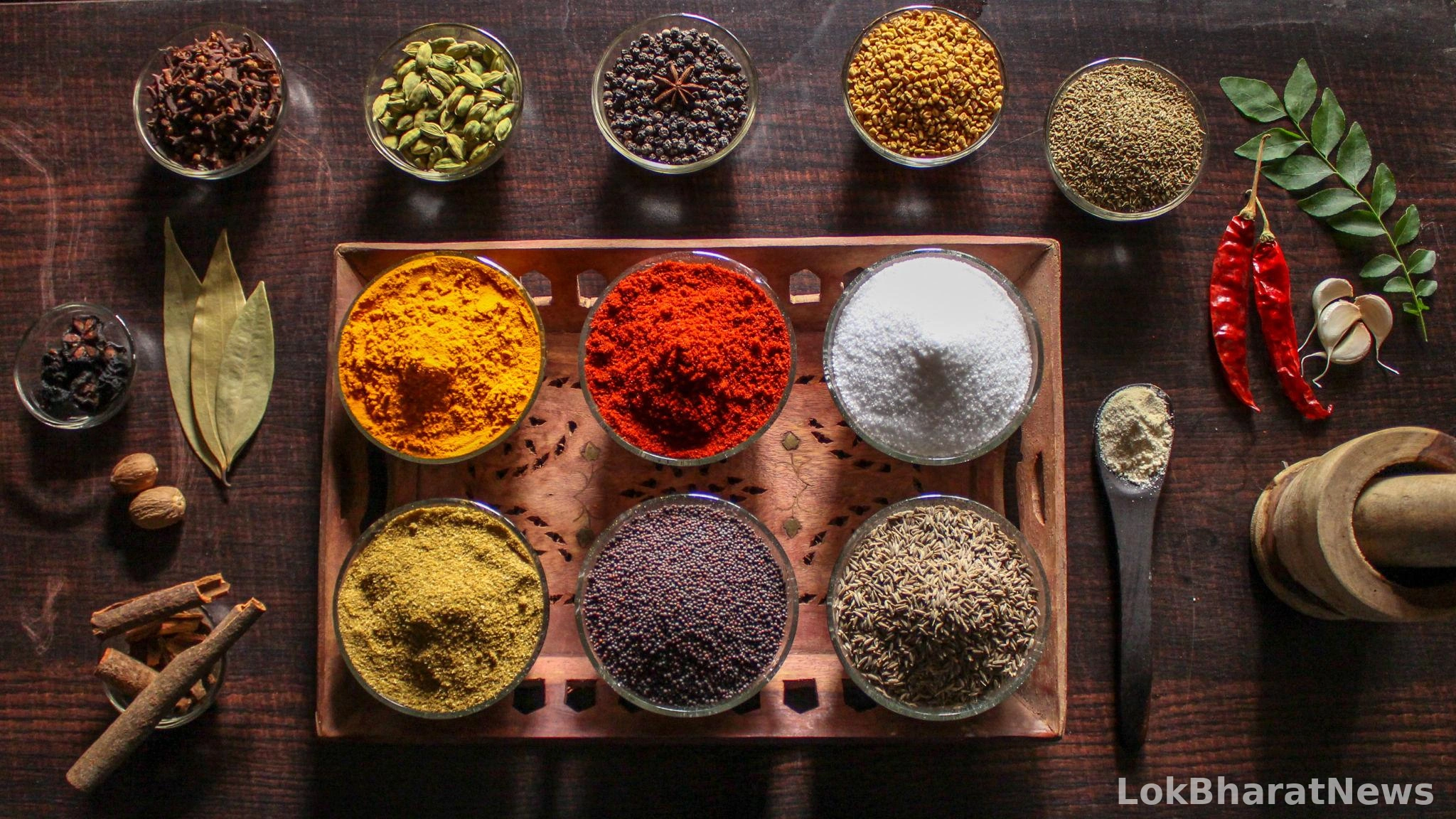
The spices health benefits linked to turmeric, cinnamon, ginger and black pepper are drawing fresh attention after researchers highlighted their potential impact on gut, brain and metabolic health.
Several recent studies suggest that common kitchen spices may support digestion, improve blood sugar control and reduce inflammation in the body. Scientists also believe some spices could positively influence brain function and mental wellbeing.
Researchers say many spices contain bioactive compounds with antioxidant and anti-inflammatory properties. These compounds may help protect cells from damage and support overall health when included as part of a balanced diet.
Nutrition experts note that Indian diets already include many of these spices daily. However, they stress that spices work best alongside healthy eating habits, regular exercise and proper sleep.
Spices health benefits linked to gut health
The spices health benefits connected to digestion have become a major focus for researchers.
Studies suggest spices such as ginger, cumin and fennel may help improve digestion and support healthy gut bacteria. A balanced gut microbiome plays an important role in immunity, metabolism and overall wellbeing.
Turmeric, which contains the active compound curcumin, may also help reduce gut inflammation. Some studies suggest curcumin could support people dealing with digestive discomfort and inflammatory conditions.
Experts say fermented foods, fibre-rich meals and adequate hydration remain equally important for maintaining gut health.
Brain and mental health effects gain attention
Scientists are also studying how spices may influence brain function.
Research suggests curcumin in turmeric could support memory and cognitive function because of its antioxidant properties. Cinnamon and saffron have also shown potential benefits in studies related to mood and brain health.
Some experts believe anti-inflammatory foods may help reduce long-term risks linked to cognitive decline. However, researchers say larger clinical studies are still needed before making strong medical claims.
Nutritionists caution against relying on spices alone for mental health support. They recommend combining healthy nutrition with stress management, physical activity and medical care when necessary.
Also Read: How Heatwaves Are Affecting Mental Health And Sleep Patterns
Metabolic health and blood sugar control
Metabolic health has become another key area of research.
Several studies suggest cinnamon may help improve insulin sensitivity and blood sugar control in some people. Black pepper may also improve nutrient absorption because of a compound called piperine.
Ginger has also attracted attention for its possible role in reducing inflammation and supporting weight management. Researchers continue studying how spices affect metabolism over the long term.
Doctors warn that spices should not replace prescribed treatment for diabetes or metabolic disorders. People with medical conditions should always follow professional advice before making major dietary changes.
The growing interest in spices health benefits reflects a wider focus on natural nutrition and preventive healthcare. Experts believe traditional ingredients may continue playing an important role in modern wellness research.