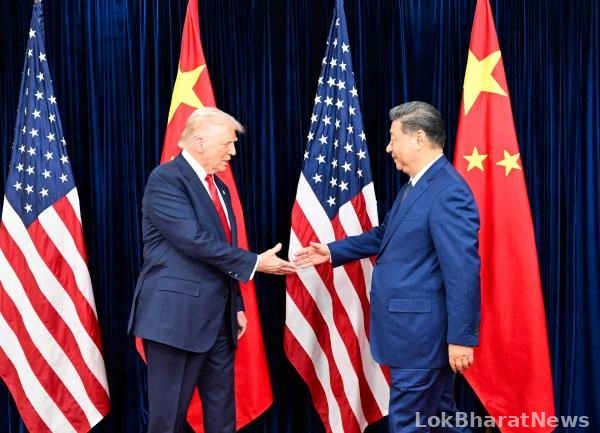
US President Donald Trump on Friday claimed that Washington and Beijing had reached “fantastic” trade agreements following high-level talks with Chinese President Xi Jinping in Beijing.
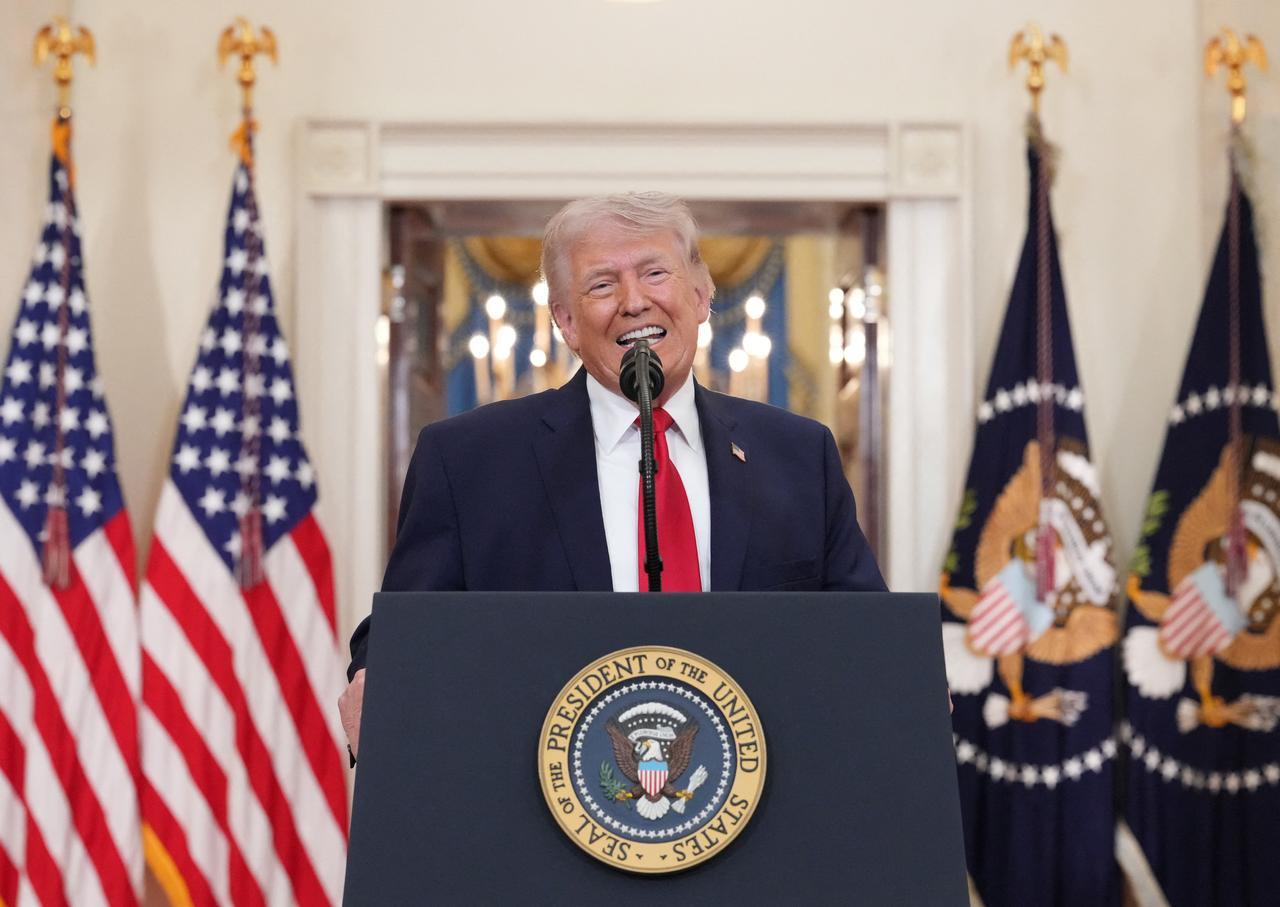
Trump made the remarks during the final day of his China visit while meeting Xi at the Zhongnanhai leadership compound. He said the discussions produced deals that would benefit both countries.
“We’ve made some fantastic trade deals, great for both countries,” Trump said while touring the gardens with Xi Jinping.
The meetings focused on trade, Iran, Taiwan, energy cooperation and technology disputes between the world’s two largest economies. Trump also described his relationship with Xi as “very strong”.
Trump Xi trade deals dominate Beijing talks
The Trump Xi trade deals discussions reportedly included increased Chinese purchases of American oil, soybeans and Boeing aircraft.
US officials said China could buy 200 Boeing jets and expand agricultural imports from the United States. However, both sides released limited details about the agreements.
Chinese officials described the summit as a “milestone event” and said the talks had created a more stable bilateral relationship amid global uncertainty.
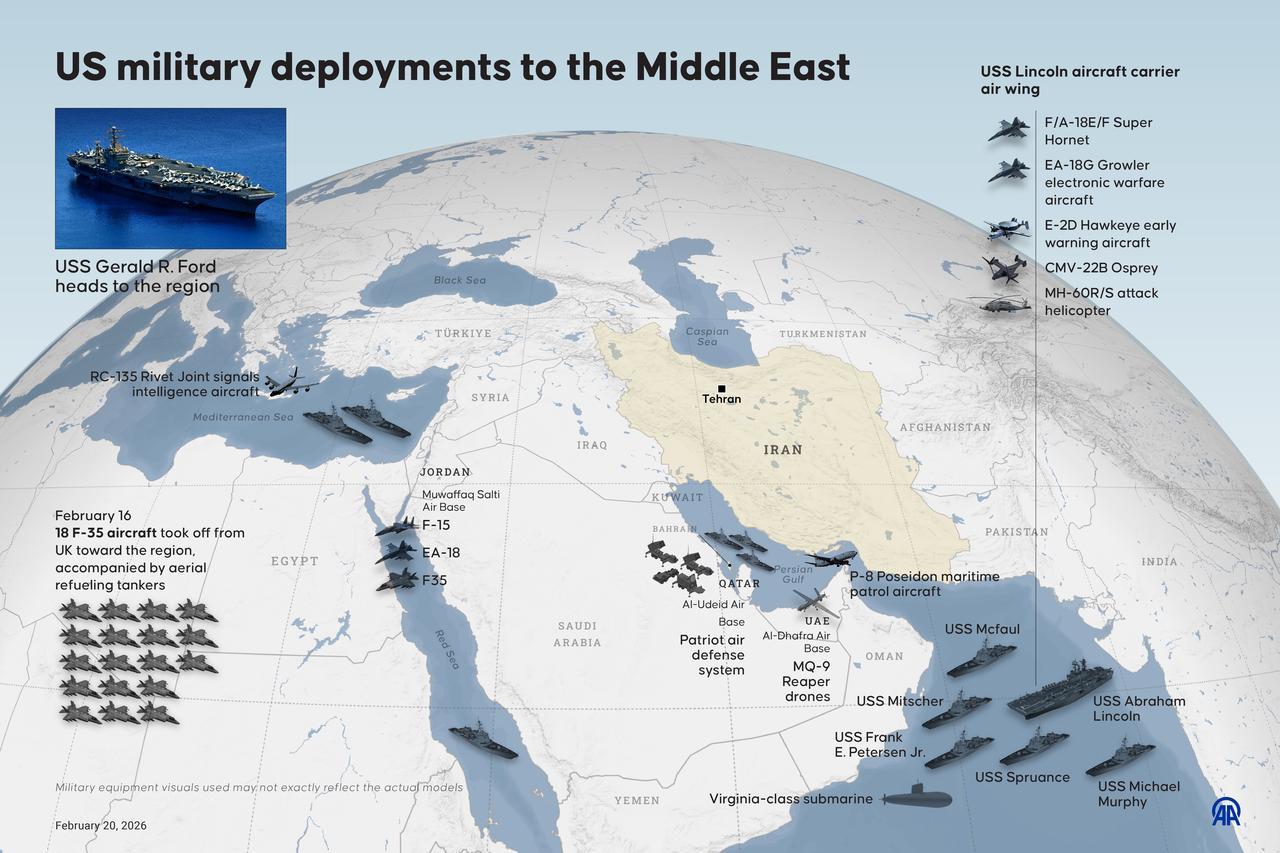
The leaders also discussed tensions in the Middle East, especially the Iran conflict and disruptions in the Strait of Hormuz. Trump said both countries agreed that shipping routes should remain open.
Also Read: Antarctic Ice Stardust Reveals Clues About Solar System’s Past
Taiwan issue remains sensitive
Despite the positive trade messaging, Taiwan remained a major point of disagreement during the summit.
Xi reportedly warned that mishandling Taiwan could trigger future conflict between the two powers. The US maintained that its Taiwan policy had not changed.
Analysts said the summit mainly helped stabilise relations after months of trade and geopolitical tensions rather than delivering major breakthroughs.
The Trump Xi trade deals announcement also came as both economies face pressure from slowing global growth, supply chain concerns and rising energy prices linked to West Asia tensions.