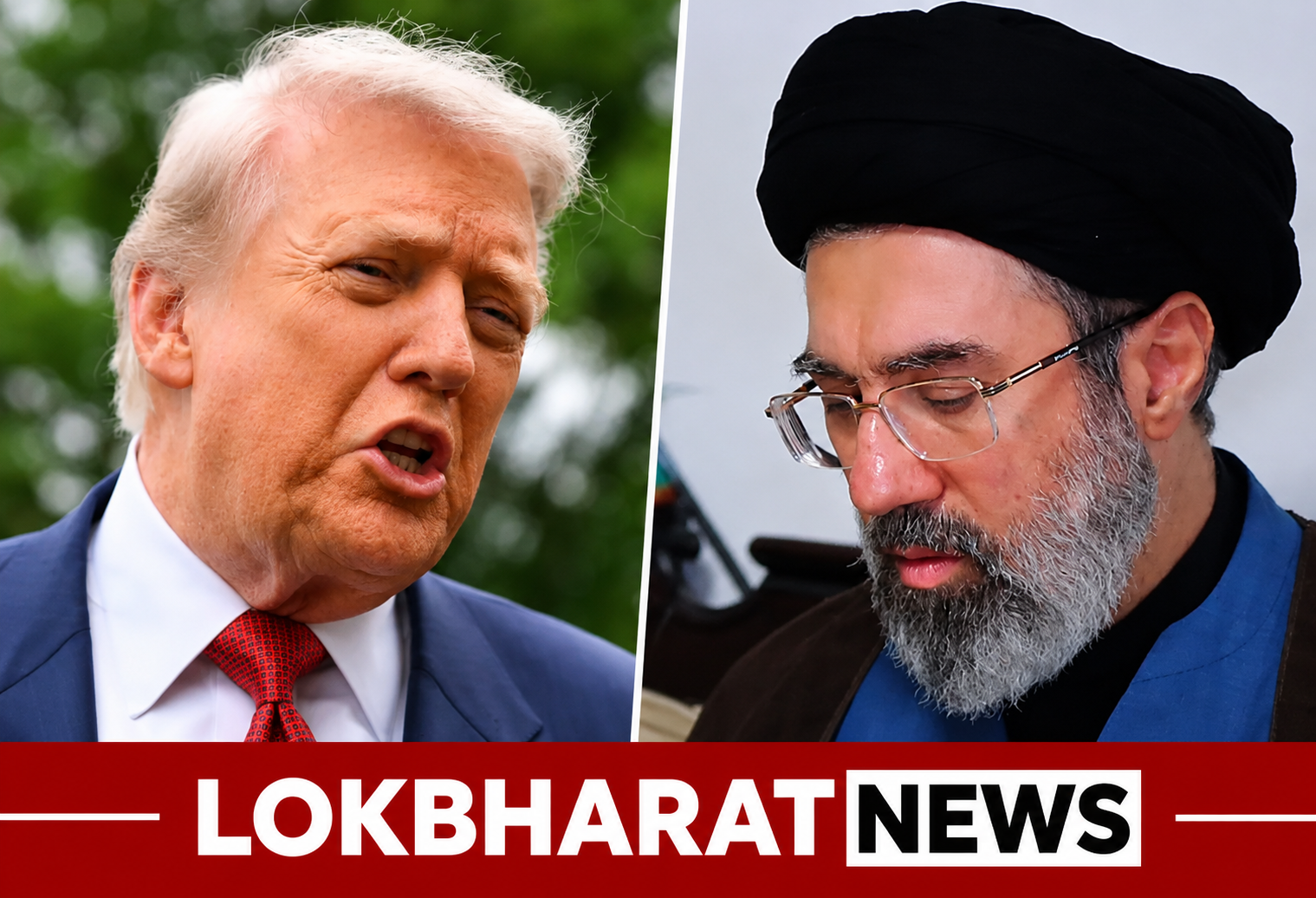
Fresh tensions have erupted between Donald Trump and Iran after the former U.S. president sharply rejected Tehran’s latest peace proposal aimed at ending the ongoing regional conflict. Trump described Iran’s response as “totally unacceptable,” triggering fresh uncertainty over the future of negotiations and raising fears of another escalation in the Middle East.
The latest diplomatic breakdown comes amid ongoing concerns over Iran’s nuclear program, regional military activity, sanctions, and the strategic importance of the Strait of Hormuz — one of the world’s most critical oil shipping routes.
Also read:Did a Small Error by Vijay Become the Biggest Obstacle in His Chief Minister Journey?
Trump Dismisses Iran’s Proposal
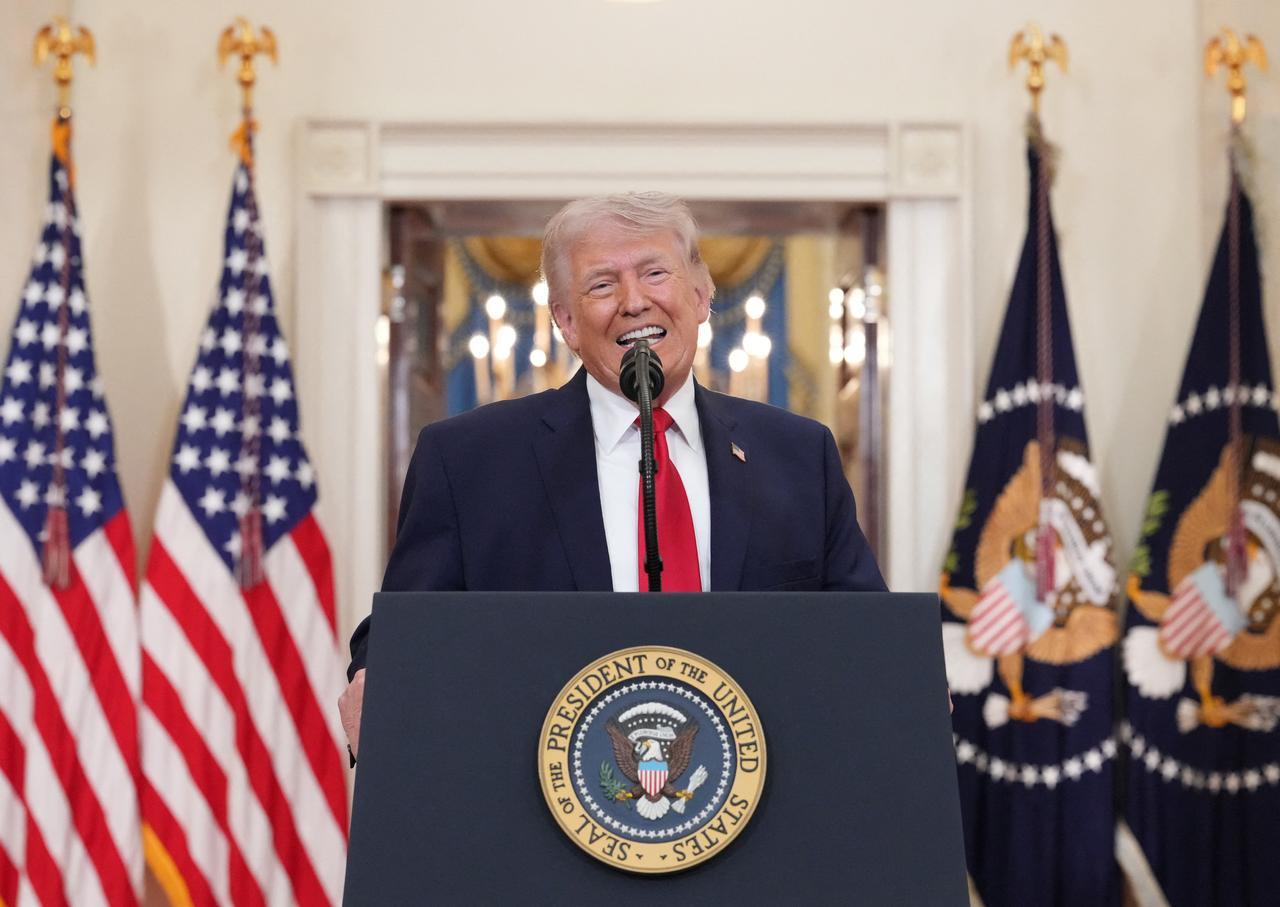
Trump publicly criticized Iran’s response after receiving Tehran’s counterproposal through diplomatic intermediaries. In a strongly worded statement, he accused Iran of delaying negotiations for decades and refusing to make meaningful concessions.
According to multiple reports, the U.S. administration had expected progress toward a broader ceasefire framework and possible agreements on nuclear restrictions. However, Iran’s latest response reportedly failed to meet Washington’s expectations on key security issues.
Trump later repeated that the proposal was “totally unacceptable,” signaling that the United States may not be ready to soften its current stance against Tehran.
What Iran Proposed
Iran’s proposal reportedly included several major demands tied to sanctions relief, military activity, and regional security arrangements. Tehran is believed to have asked for:
- An end to U.S. sanctions
- Removal of naval restrictions around Iranian ports
- Guarantees against future military attacks
- Recognition of Iran’s regional security interests
- Broader negotiations involving Lebanon and regional conflicts
Iran also reportedly rejected calls for dismantling its nuclear facilities entirely, which remains one of Washington’s central demands.
Tehran argued that any long-term agreement must respect Iran’s sovereignty and include economic guarantees before further concessions are considered.
Nuclear Program Remains Main Dispute
The biggest obstacle in negotiations continues to be Iran’s nuclear program. U.S. officials reportedly want strict limitations on uranium enrichment and tighter international monitoring.
Iran, however, insists its nuclear activities are peaceful and argues that it cannot accept permanent restrictions without major guarantees from the United States and its allies.
The disagreement has once again exposed the deep mistrust between both sides, with neither appearing willing to compromise on core national security concerns.
Rising Tensions in the Strait of Hormuz
The diplomatic standoff is also affecting the Strait of Hormuz, a crucial shipping corridor through which a large portion of the world’s oil supply passes.
Reports suggest maritime traffic in the region has slowed due to military tensions and fears of further conflict. Oil prices surged after Trump’s rejection of Iran’s proposal, as global markets reacted nervously to the possibility of renewed instability in the Gulf region.
Several international observers fear that prolonged tensions could impact global fuel prices, shipping operations, and broader economic stability.
Tehran Warns Against Pressure Tactics
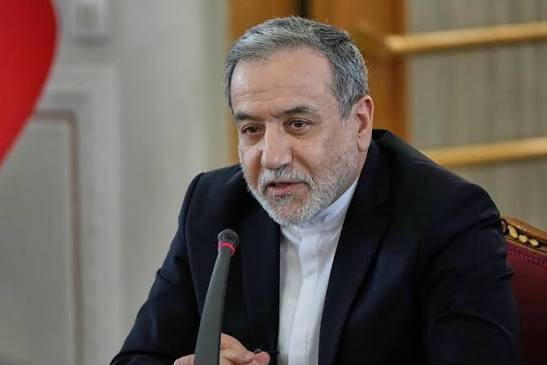
Iranian officials responded firmly after Trump’s remarks, warning that pressure tactics and military threats would not force Tehran into accepting one-sided conditions.
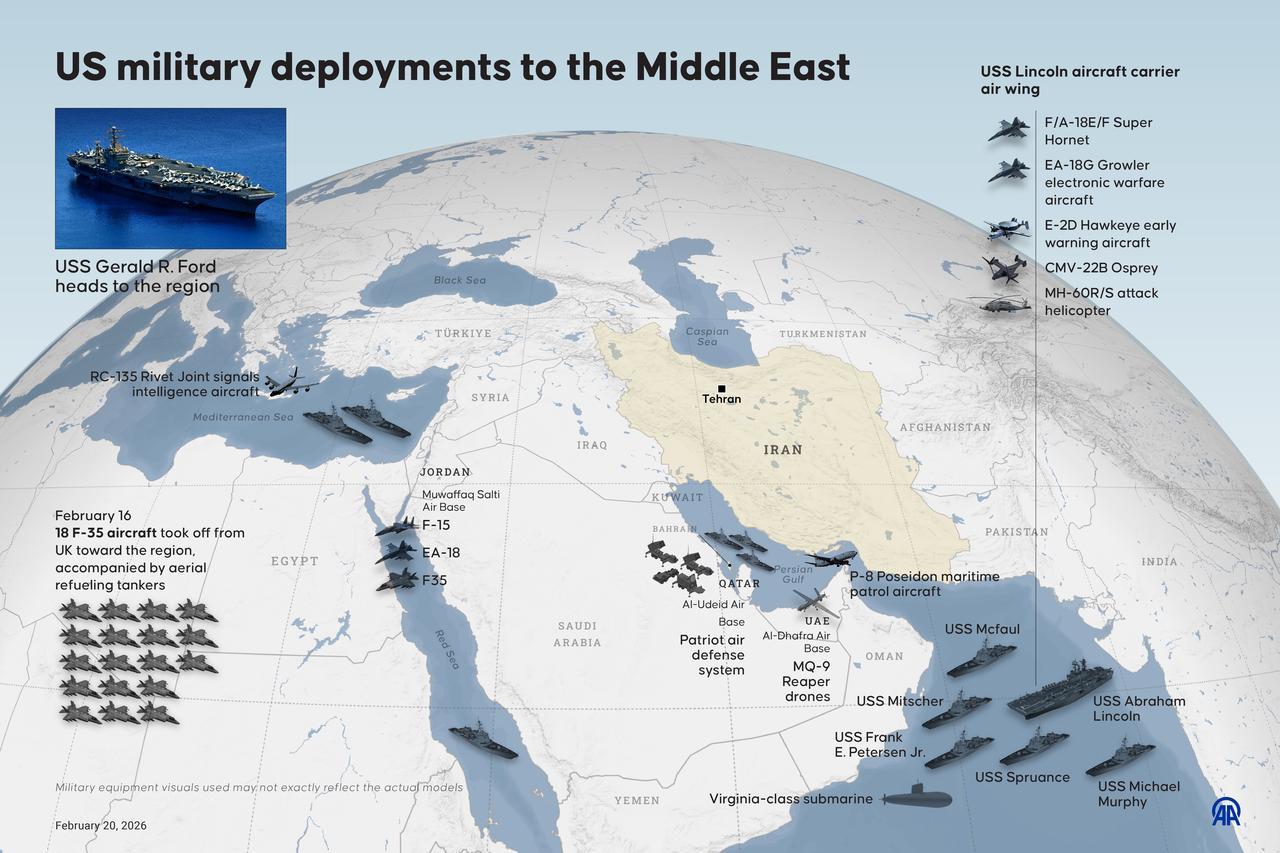
State-linked media in Iran suggested that Tehran remains open to negotiations but only if discussions are based on mutual respect and realistic expectations. Iranian leaders also warned against further military deployments near Iranian waters.
The sharp exchange has reduced hopes for a quick diplomatic breakthrough.
Pakistan’s Role in Mediation
Reports indicate that Pakistan has been involved in transferring messages between the United States and Iran during recent diplomatic exchanges.
Pakistan’s role as a mediator highlights growing regional efforts to prevent a wider conflict in the Middle East. Analysts believe several countries are quietly trying to keep communication channels open despite increasing tensions.
Diplomatic intermediaries continue to push for negotiations aimed at avoiding direct confrontation.
Israel’s Concerns Continue
Israel remains deeply concerned about Iran’s nuclear capabilities and regional influence. Israeli Prime Minister Benjamin Netanyahu has repeatedly argued that Iran’s military and nuclear infrastructure must be significantly weakened before any lasting peace agreement can be considered.
The Israeli position continues to influence broader Western strategy in the region.
Global Markets React
Financial markets reacted quickly after Trump rejected Iran’s response. Oil prices reportedly jumped sharply as traders worried about possible disruptions to global energy supplies.
Energy analysts warned that any escalation involving the Strait of Hormuz could create serious consequences for international trade and fuel markets.
The uncertainty has added pressure on governments already dealing with inflation and economic instability.
Can Diplomacy Still Succeed?
Despite the harsh rhetoric, diplomatic experts believe negotiations are not entirely over. Both sides continue to communicate indirectly through regional mediators, suggesting there is still interest in avoiding full-scale conflict.
However, the gap between U.S. and Iranian demands remains wide. Washington wants stronger nuclear restrictions and security guarantees, while Tehran seeks sanctions relief and recognition of its strategic interests.
Until both sides show greater flexibility, a final peace agreement appears difficult to achieve.
Key Developments at a Glance
- Trump called Iran’s latest response “totally unacceptable”
- Iran demanded sanctions relief and security guarantees
- Nuclear restrictions remain the biggest disagreement
- Oil prices rose sharply after negotiations stalled
- Pakistan reportedly helped mediate discussions
- Strait of Hormuz tensions continue to affect global markets
- Israel remains strongly opposed to Iran’s regional influence
The latest exchange between Washington and Tehran has once again highlighted how fragile Middle East diplomacy remains. While negotiations are still technically alive, the growing mistrust and sharp public statements from both sides have pushed hopes for peace further away.