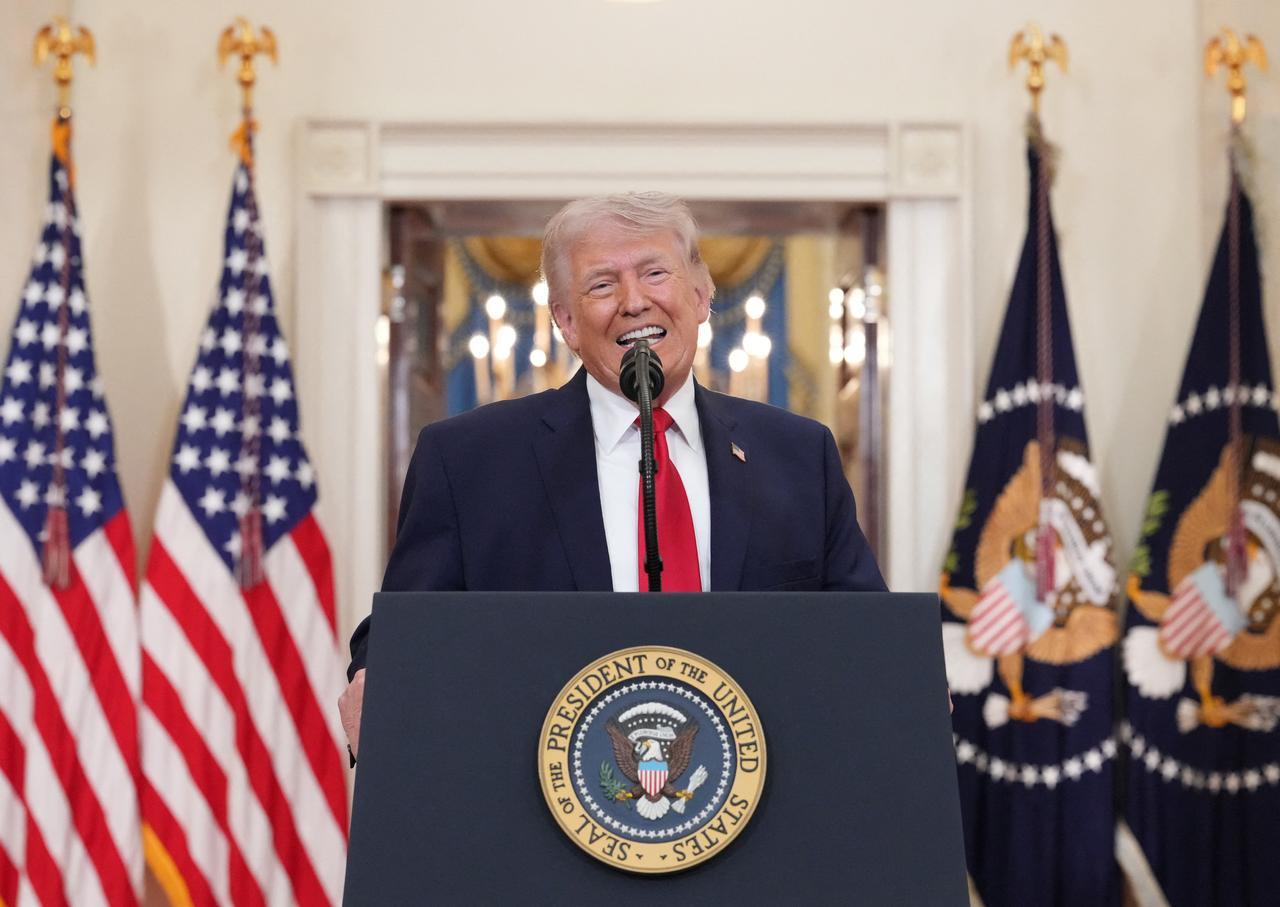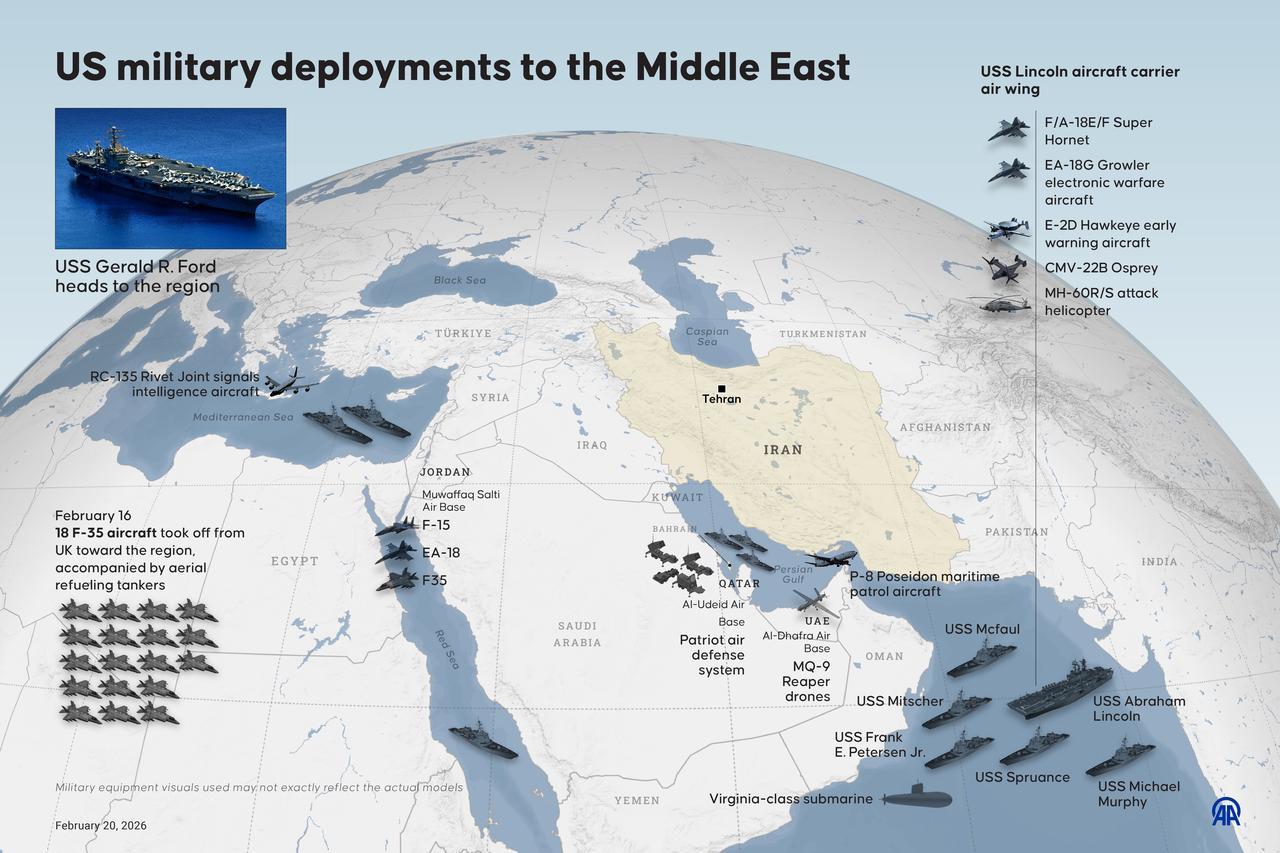
The ongoing conflict involving the United States, Israel, and Iran has entered a critical phase, creating strong reactions across global energy and financial markets. A fresh warning from U.S. President Donald Trump about maintaining a prolonged blockade on Iranian ports has increased uncertainty worldwide.
As a result, oil prices have surged to multi-year highs while stock markets across several countries have weakened.
Tensions Rise Over Strait of Hormuz
The crisis intensified after Washington reaffirmed plans to continue naval restrictions targeting Iran’s major oil export routes.
The Strait of Hormuz remains one of the world’s most important shipping corridors because nearly one-fifth of global oil supplies pass through the route every day. Therefore, disruptions in the area immediately affect global energy markets.
According to reports, the U.S. administration may continue the blockade for several months if diplomatic negotiations fail.
Officials say the strategy aims to pressure Iran economically instead of expanding direct military operations. However, analysts warn that prolonged restrictions could increase instability across the Middle East.
Oil Prices Reach Multi-Year Highs
Global oil prices reacted sharply following the latest developments.
Brent crude prices climbed close to $120 per barrel, reaching their highest level in years. Meanwhile, U.S. crude oil prices also increased significantly due to fears of long-term supply disruptions.
Analysts believe several factors are driving the price surge. These include shipping restrictions, reduced production, and uncertainty surrounding future supply routes.
Experts also warn that oil prices could remain high even if tensions ease because countries and companies are increasing fuel stockpiles.
Global Stock Markets Under Pressure
While energy prices continue rising, global stock markets have shown signs of weakness.
Major financial indices in Europe and Asia have slipped as investors worry about inflation and slowing economic growth. In particular, countries that depend heavily on Middle Eastern oil imports remain vulnerable to rising energy costs.
Higher fuel prices could also increase manufacturing and transportation expenses worldwide. Consequently, businesses and consumers may face additional financial pressure in the coming months.
Economic Impact Expands Globally
The economic effects of the conflict are becoming more visible across international markets.
Several Asian economies are already experiencing rising fuel prices and inflationary pressure. At the same time, airlines, shipping companies, and manufacturers are reporting higher operational costs.
Global supply chains are also facing new disruptions because of uncertainty in maritime trade routes.
U.S. Explores Measures to Stabilise Markets
In response to rising oil prices, the U.S. government is considering steps to stabilise energy markets.
Officials are reportedly discussing the possible release of oil from strategic reserves.
In addition, authorities are consulting major energy companies about increasing production levels.
Meetings between government officials and oil industry leaders highlight growing concerns about economic stability during the conflict.
Volatility May Continue
Experts believe global markets could remain unstable for an extended period.
For now, governments, investors, and energy companies continue monitoring developments closely as the conflict shapes global economic conditions.