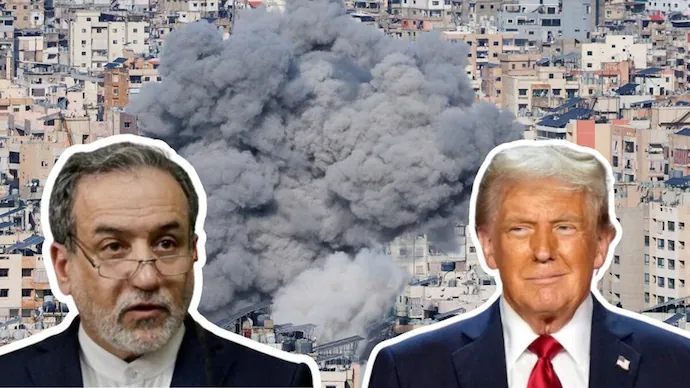
Open Hormuz Now, Nuclear Talks Later: Iran’s New Peace Proposal to US
A Fresh Diplomatic Signal
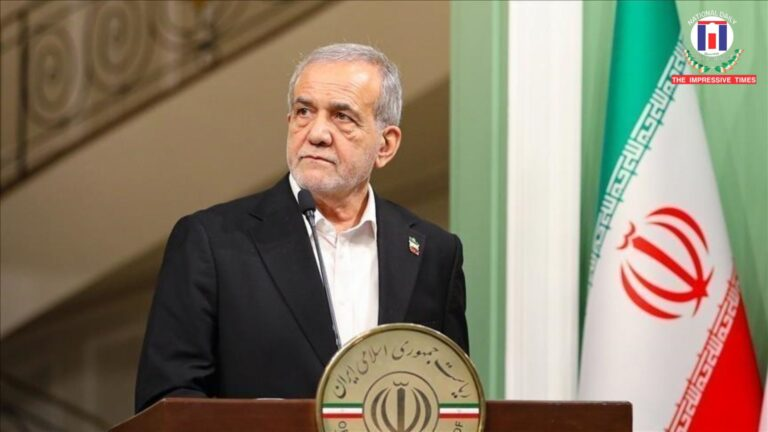
Amid rising tensions in the Middle East, Iran has proposed a new peace plan to United States, aiming to reduce conflict and stabilize the region. The proposal reflects a shift in strategy, focusing on immediate de-escalation rather than tackling long-standing disputes all at once. With global concerns growing over potential war and economic disruption, this move has drawn significant international attention.
Focus on Strait of Hormuz: A Critical First Step
At the heart of the proposal is the reopening of the Strait of Hormuz, a vital global oil route. Iran has suggested that ensuring safe and uninterrupted movement through this waterway should be the first priority. Since a large portion of the world’s oil supply passes through this narrow passage, any disruption directly affects global markets and energy security.
Delaying Nuclear Talks: A Strategic Approach
Unlike previous negotiations, Iran’s proposal separates the nuclear issue from immediate peace efforts. Instead of addressing nuclear concerns first, it suggests postponing these discussions until stability is restored. This approach is seen as a practical step to avoid early deadlocks and build trust through smaller, achievable agreements.
A Phased Peace Plan for Stability
The proposal is believed to follow a step-by-step approach. It begins with an immediate ceasefire to stop military escalation, followed by measures to secure and manage the Strait of Hormuz. Only after these steps are successfully implemented would both sides return to discussions on nuclear issues, creating a more stable environment for negotiations.
Role of Regional Mediation
The proposal has reportedly been communicated through Pakistan, which is playing a role in facilitating dialogue between Iran and the United States. Diplomatic efforts through third-party mediation indicate that both sides are still open to communication, even if direct talks remain challenging.
Global Impact of the Proposal
This development carries significant global implications. Reopening the Strait of Hormuz could stabilize oil prices and ensure smooth energy supplies worldwide. A reduction in tensions would also ease pressure on global markets and reduce the risk of a wider regional conflict, benefiting both developed and developing economies.
Challenges and Uncertainty
Despite the positive tone of the proposal, major challenges remain. There is deep mistrust between Iran and the United States, along with ongoing disagreements over nuclear policies and regional influence. Political pressures within both countries further complicate the possibility of reaching a long-term agreement.
Conclusion: A Possible Turning Point
Iran’s proposal represents an attempt to break the long-standing diplomatic deadlock by prioritizing immediate peace over complex negotiations. While it offers a potential path toward de-escalation, its success will depend on mutual willingness to cooperate. The coming days will be crucial in determining whether this initiative leads to progress or becomes another missed opportunity.