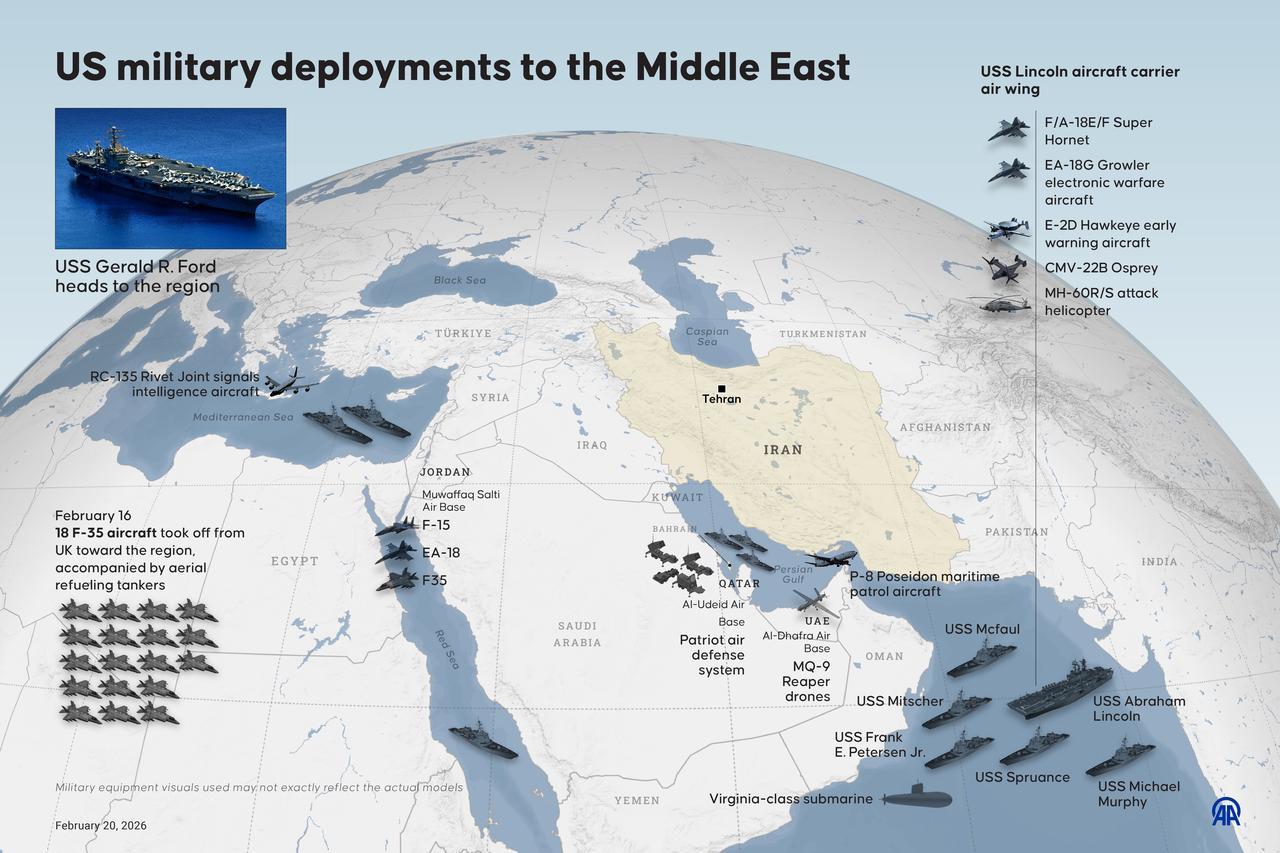
Relations between Iran and the United States remain tense, with both sides navigating a fragile path toward possible peace talks. While the U.S. continues to demand strict conditions—especially on nuclear issues—Iran has responded cautiously, avoiding any clear yes or no. This ongoing situation reflects a complex mix of pressure, strategy, and global political stakes.
Meaning Behind the ‘Pride and Prejudice’ Reference
The phrase is inspired by Pride and Prejudice, a novel known for its subtle communication and unspoken emotions. In diplomacy, this comparison suggests a style where messages are not delivered directly but through carefully chosen words, hints, and tone. It represents a way of communicating without fully revealing intentions.
Iran’s Indirect Communication Style
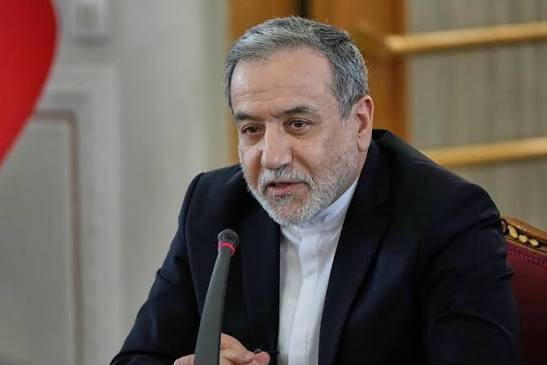
Iran has adopted a measured and indirect tone in its recent statements. Instead of giving firm answers, officials have used phrases like “still considering” or “no final decision.” This approach allows Iran to stay engaged in talks without committing too early, keeping its options open while avoiding political risks at home.
There are clear reasons behind this careful messaging. First, it helps Iran avoid appearing weak in front of its domestic audience. Second, it keeps the U.S. guessing, which can be useful in negotiations. Finally, it allows room for quiet, behind-the-scenes discussions that are often crucial in sensitive diplomatic efforts.
Donald Trump’s Direct Approach
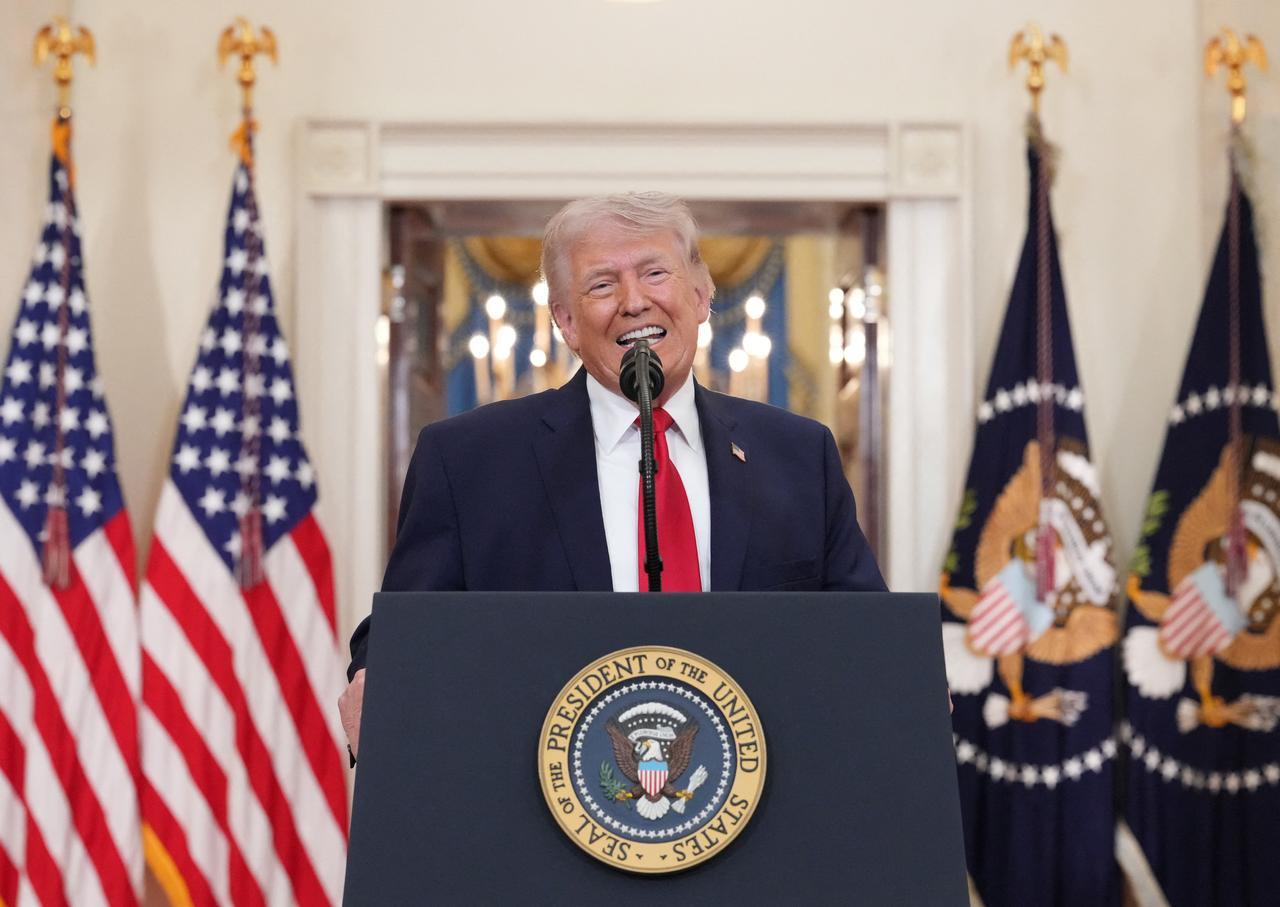
In contrast, Donald Trump has taken a more straightforward and assertive tone. He has made it clear that any deal must align with U.S. interests and has not hesitated to issue warnings alongside offers of dialogue. This difference in communication styles—direct versus indirect—adds another layer of complexity to the talks.
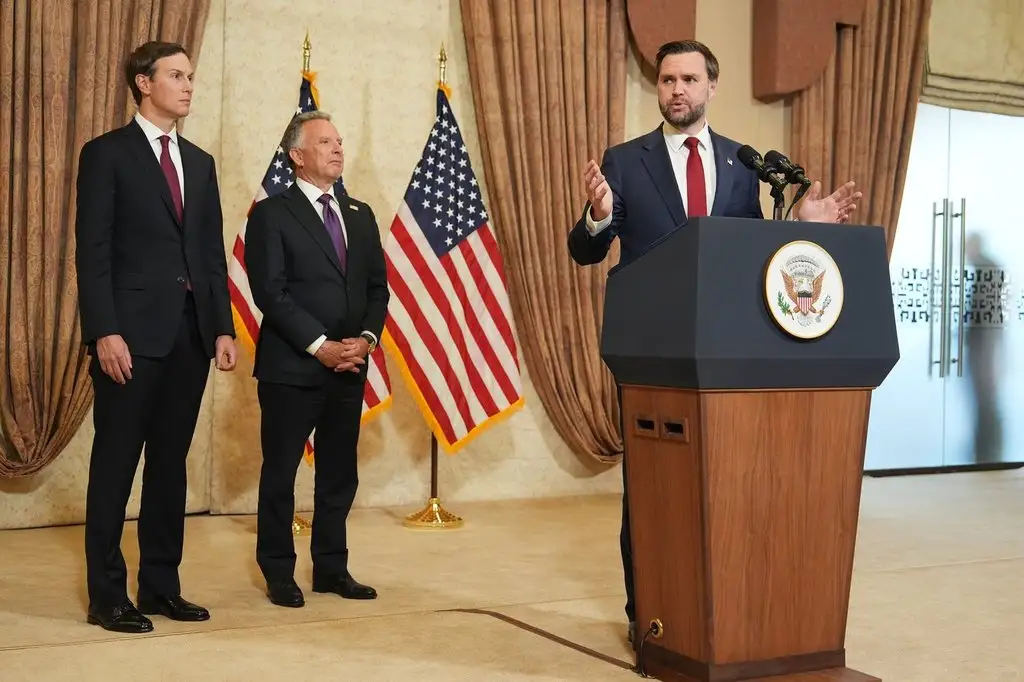
This mix of subtle and direct messaging makes the negotiation process more uncertain. While both sides appear open to dialogue, the lack of clear commitments slows progress. Much depends on how each side interprets the other’s signals and whether they can find common ground despite their different approaches.
Iran’s “Pride and Prejudice”-style messaging shows a careful and calculated diplomatic strategy. By staying indirect, Iran keeps negotiations alive while protecting its position. The outcome of these talks will depend on whether this quiet signaling can eventually lead to clear agreements and lasting peace.