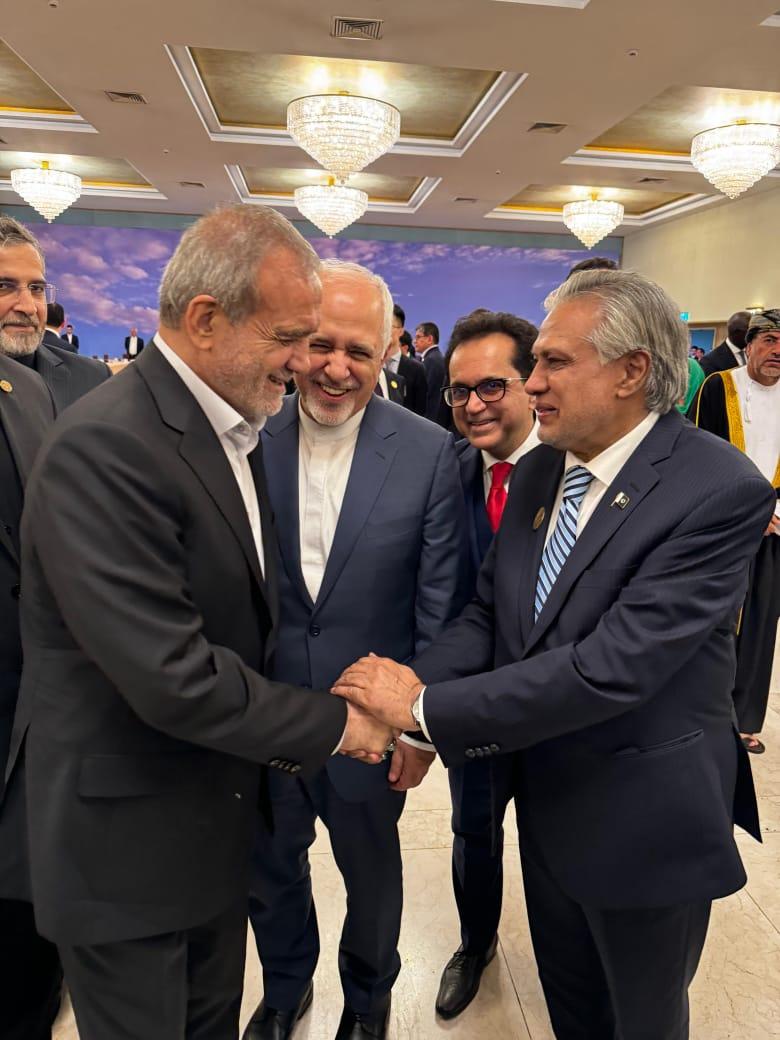
Pakistan steps in again as talks shift to Tehran
Pakistan’s Army Chief Asim Munir has arrived in Tehran, leading a high-level delegation aimed at reviving stalled peace efforts in the ongoing Israel-Iran conflict.
The visit comes days after crucial negotiations in Islamabad failed to produce an agreement between the United States and Iran, leaving the fragile ceasefire uncertain.
Officials say the delegation is carrying fresh proposals to keep diplomatic channels open and prevent further escalation.
Islamabad talks fail to deliver breakthrough
High-level talks held in Islamabad earlier this week lasted more than 20 hours but ended without a deal.
Key disagreements remained unresolved, particularly around Iran’s nuclear programme and broader security concerns in the region.
Despite the failure, both sides signalled willingness to continue discussions through intermediaries, with Pakistan emerging as a central mediator.
Munir’s visit seen as last-ditch diplomatic effort
Munir’s trip is being described as a renewed push to extend the ceasefire and restart negotiations.
Pakistan has maintained communication with both Washington and Tehran, helping narrow differences in recent days, though major gaps remain.
The delegation’s arrival signals urgency, with the current ceasefire window narrowing and tensions still high across the region.
War enters critical phase amid rising pressure
The conflict, now into its seventh week, continues to impact regional stability and global markets.
- The US has intensified pressure through sanctions and a naval blockade in the Strait of Hormuz
- Iran has warned of retaliation, raising fears of wider escalation
- Israel has continued operations in parts of Lebanon despite ceasefire efforts
Global concerns remain high, particularly over oil supply disruptions and shipping routes.

What comes next
While no immediate breakthrough is expected, the talks in Tehran are seen as crucial in preventing a collapse of ongoing diplomatic efforts.
Officials say further negotiations could follow soon if initial discussions show progress, though no timeline has been confirmed.
For now, Pakistan’s mediation remains one of the few active channels attempting to de-escalate a conflict that continues to evolve rapidly.