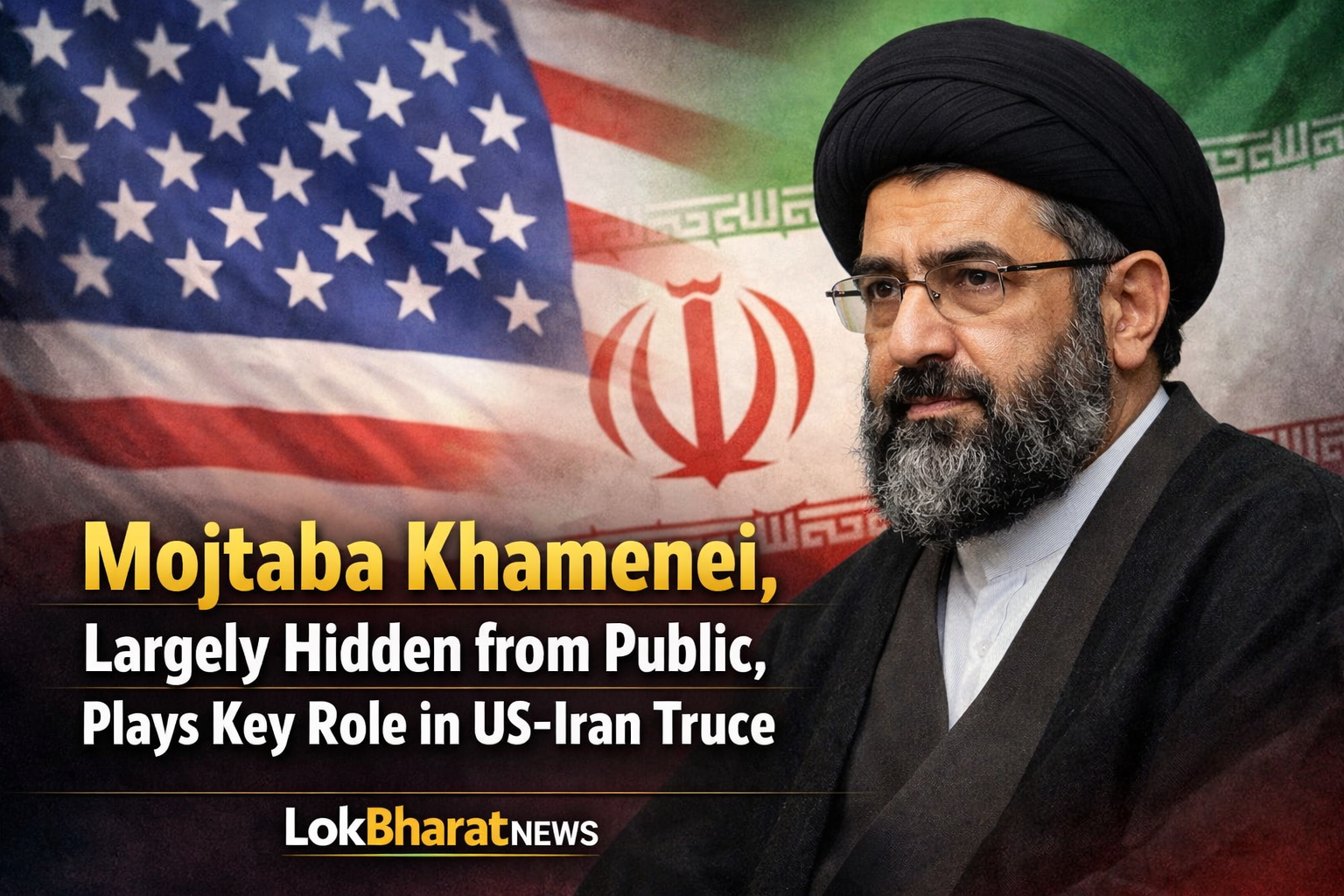
A temporary ceasefire between the United States and Iran was reportedly finalized just hours before a critical deadline, with Mojtaba Khamenei playing a key role in approving the negotiations.
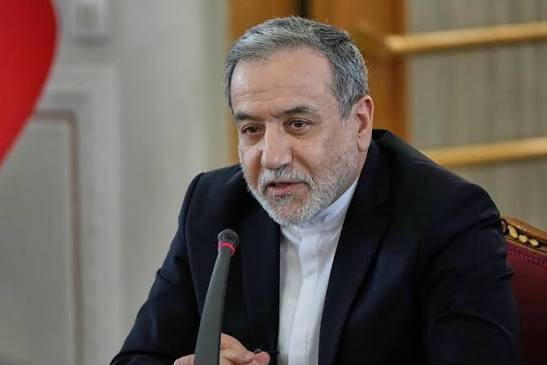
According to multiple regional and U.S. reports, Mojtaba Khamenei gave Iranian negotiators permission to move forward with talks despite rising military tensions across the Middle East.
The development marks one of the first major signs of his direct involvement in Iran’s leadership since assuming power after the reported death of Ali Khamenei.
Ceasefire Reached Before Deadline
The agreement reportedly establishes a temporary two-week ceasefire between the United States and Iran.
Officials say the pause aims to reduce immediate military tensions and create space for further diplomatic discussions. However, the agreement does not resolve larger disputes involving regional security and control of the Strait of Hormuz.
Iranian authorities also stated that military forces remain on alert and could resume operations if conditions worsen.
As a result, analysts continue describing the ceasefire as fragile and temporary.
Mojtaba Khamenei’s Role Draws Attention
Reports suggest Mojtaba Khamenei remained heavily involved behind the scenes during the crisis.
Although he has made very few public appearances, analysts believe he has significant influence within Iran’s political and military system.
Sources claim he initially resisted early ceasefire proposals. However, he reportedly approved negotiations during the final hours before tensions risked escalating further.
Consequently, observers now see the ceasefire as one of the clearest examples of his authority within Iran’s leadership structure.
Conflict Escalated Earlier This Year
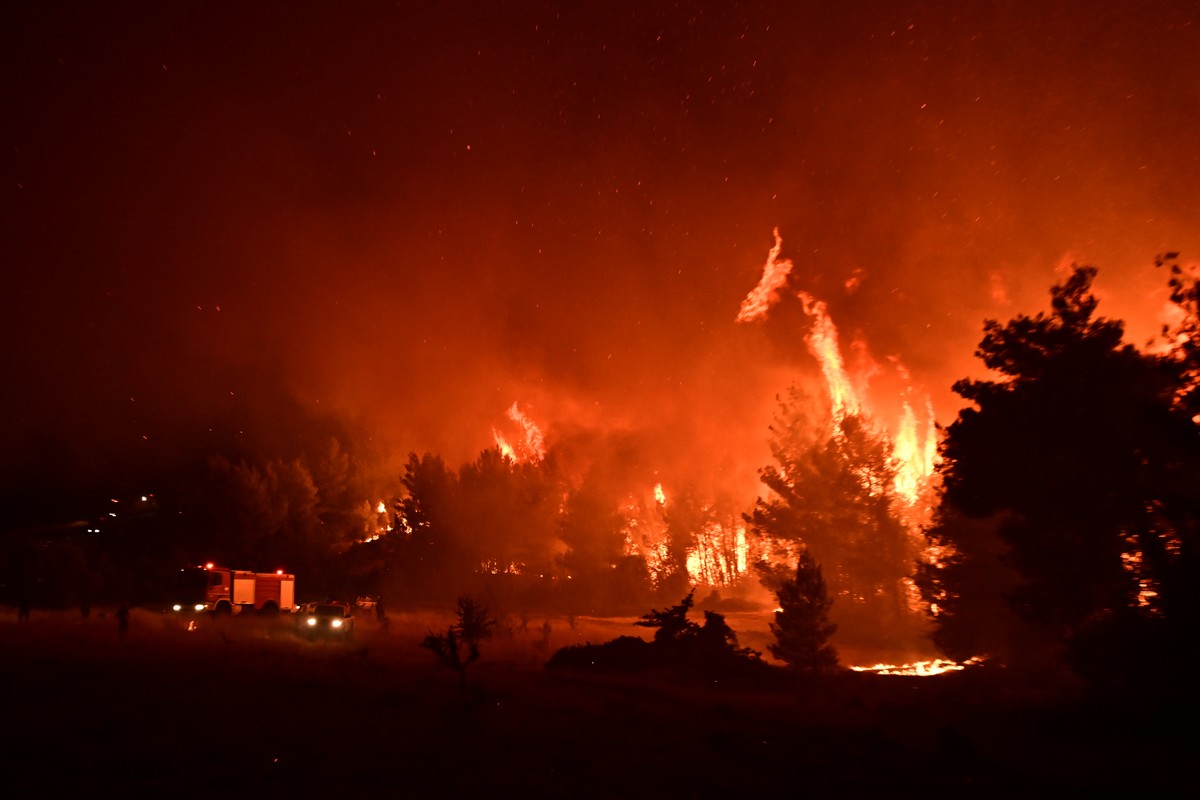
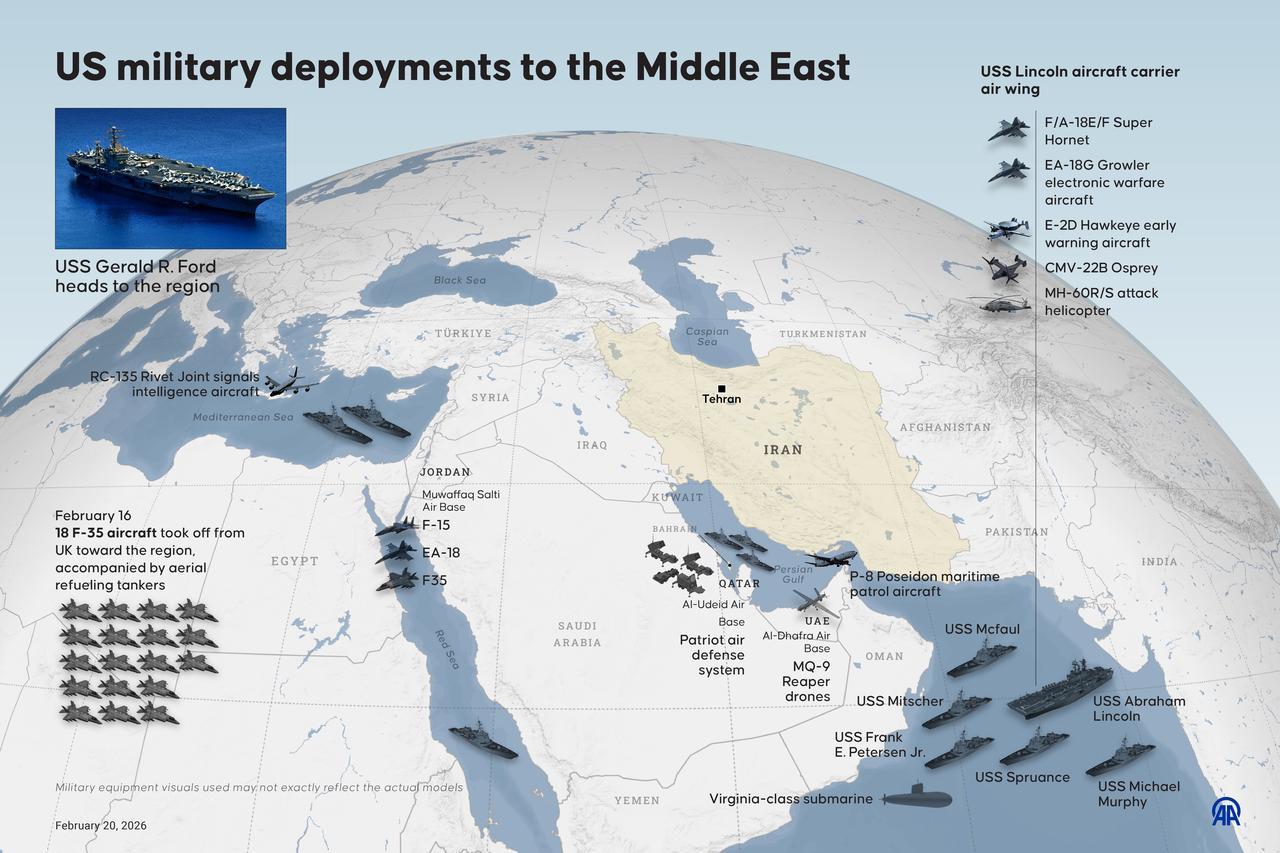
The latest crisis began after joint U.S.-Israeli operations targeted Iranian interests earlier this year.
The conflict quickly increased tensions across the Middle East and raised fears of wider regional escalation involving multiple countries.
Meanwhile, global markets closely monitored the situation because of concerns linked to oil supplies, shipping routes, and regional security.
Global Reactions Remain Cautious
International reactions to the ceasefire have remained carefully positive.
Several governments and diplomatic organisations welcomed the temporary reduction in hostilities. At the same time, experts warned that deeper disagreements between Washington and Tehran still remain unresolved.
Analysts also believe Mojtaba Khamenei’s reported involvement may reflect a more pragmatic approach within Iran’s leadership during periods of intense international pressure.
Uncertainty Continues
Despite the ceasefire, uncertainty across the region remains high.
Experts say long-term stability will require continued negotiations and broader agreements on regional security, military activity, and nuclear-related concerns.
For now, the temporary truce offers limited relief while diplomatic efforts continue behind the scenes.