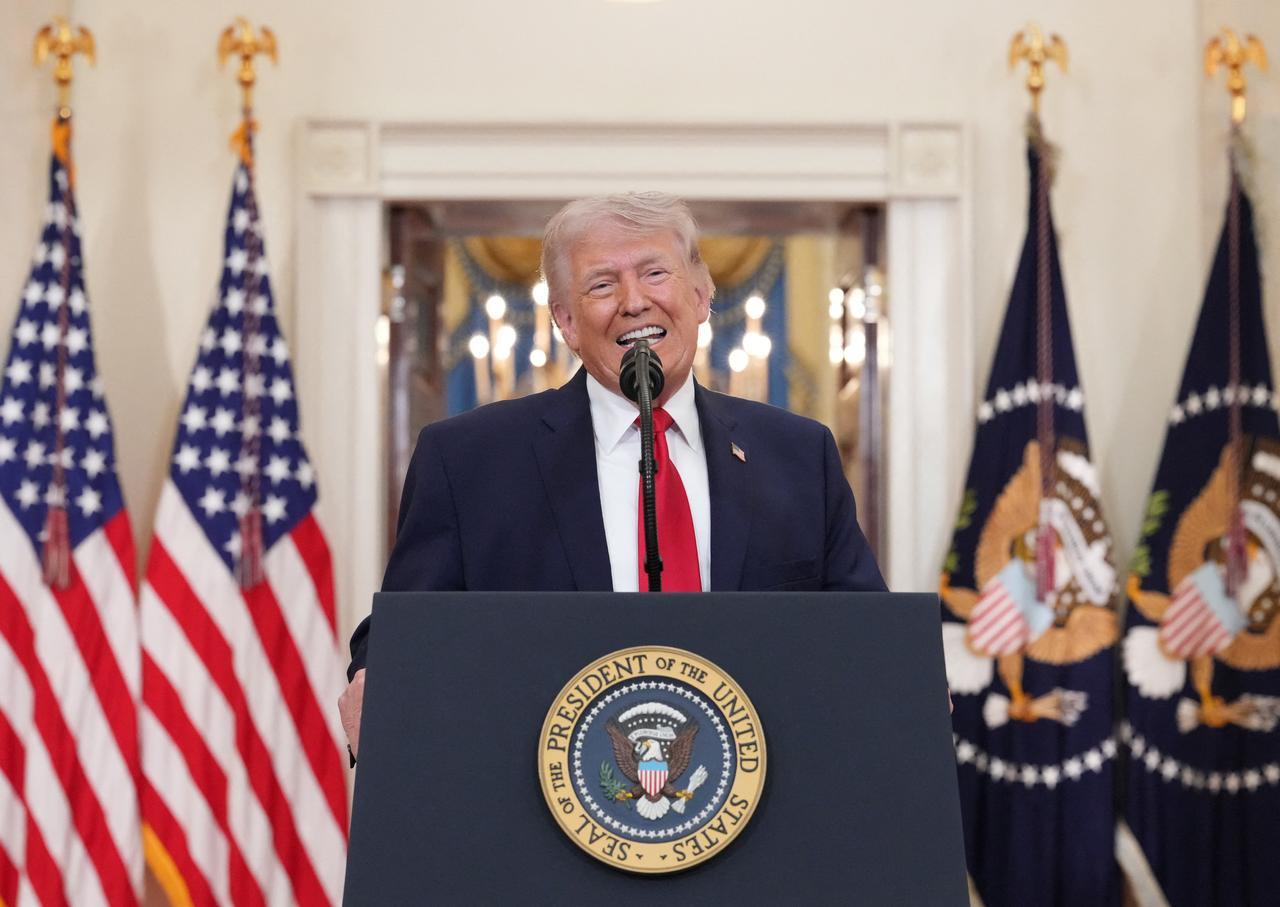
US President Donald Trump has given mixed signals regarding the importance of the Strait of Hormuz, even as tensions in the region continue to escalate.
While downplaying its significance in some remarks, his administration’s actions suggest that the waterway remains a key strategic concern.
Why the Strait of Hormuz Matters
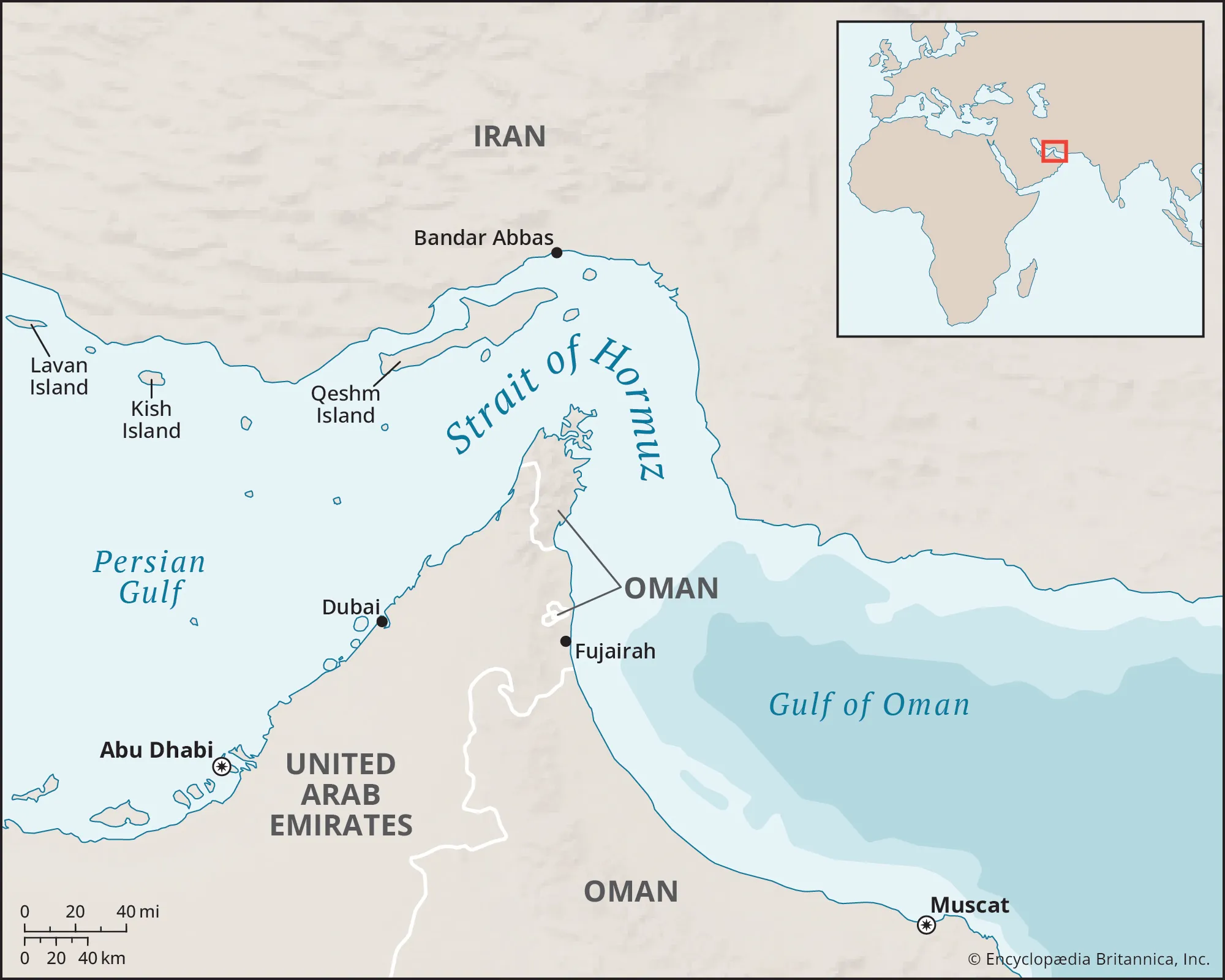
The Strait of Hormuz is one of the most critical chokepoints in global trade.
A significant share of the world’s oil supply passes through this narrow waterway, connecting the Persian Gulf to international markets.
Any disruption here can immediately impact global energy prices and supply chains.
Contradictions in US Messaging
Trump has at times suggested that the US could reduce its reliance on the Strait, indicating that its importance may be overstated.
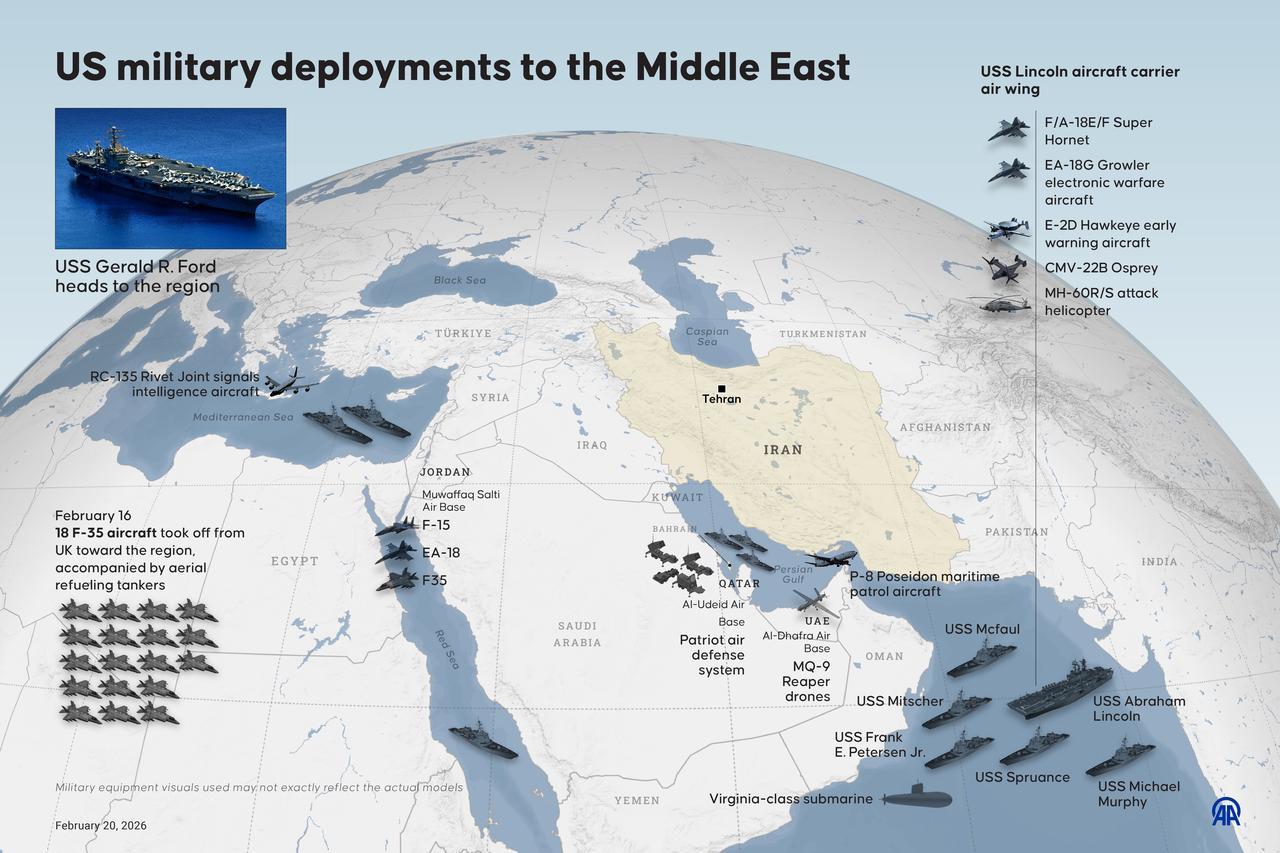
However, ongoing military positioning and heightened alert levels in the region suggest otherwise.
The contrast between public statements and strategic actions has raised questions among analysts about Washington’s actual position.
Strategic and Economic Implications
The Strait of Hormuz is not just a regional concern—it has global consequences.
Even minor disruptions can trigger sharp increases in oil prices, affecting economies worldwide.
Control over the strait allows influence over one of the busiest energy routes in the world.
The waterway remains a key leverage point in tensions involving Iran and Western powers.
Why It May Be More Important Than It Appears
Despite attempts to downplay its role, the Strait continues to be central to global energy security.
Military activity, naval deployments, and international attention all point to its ongoing importance.
Analysts suggest that public messaging may be aimed at reducing panic, while actual strategy reflects its true value.
The future of the Strait of Hormuz will depend on how tensions in the region evolve.
Key factors include:
- Military developments in the Gulf
- Iran’s approach to controlling shipping routes
- Responses from global powers reliant on oil supply
For now, the Strait remains one of the most sensitive and strategically important locations in the world.